Best lighting for Christmas tree photography at night
A Christmas tree after dark offers a rare combination of colour, texture and tiny points of light, but the camera sees them differently from the eye. Bright bulbs can clip before the branches are visible, while glossy baubles reflect whatever is nearest. The aim is not to flood the room with brightness. It is to create depth, preserve the warmth of the lights and keep enough shadow for the tree to feel dimensional.
Start by choosing a visual mood. Warm-white mini lights and a restrained palette of red, gold or green create a traditional scene; cool white or multicoloured bulbs feel crisp and playful. The tree lights should establish the pattern, and any additional lamp should shape the tree rather than compete with it. This separation makes it easier to decide what the photograph should look like before the camera comes out.
Most successful night photographs use three simple ingredients: light built into the tree, a soft directional source for shape, and careful exposure. A tripod, a remote release and a camera that can shoot RAW make the process much easier. You also need a clear plan for hiding cables, positioning yourself away from reflective surfaces and checking that every brighter bulb is not also the brightest patch in the frame.
Australian conditions add another layer. December brings long evenings, summer storms and the need for careful electrical setups, while apartment living often means a small display area and little room to place lights. Taking the tree’s lighting apart and rebuilding it is much easier in daylight. By dusk, the decorations can be checked, the batteries charged and the final camera settings tested.
Choose and distribute the tree lights
Warm-white LED mini lights are the most versatile starting point for a photographic tree because they create a continuous glow rather than a few isolated pools. Look for high colour-rendering products, ideally CRI 95 or above, so red and green ornaments retain their colour. Cool-white strings can make frosty or silver decorations appear clean, while coloured lights create bold accents that may suit a deliberately graphic image. Mixing temperatures within one tree often looks accidental unless the contrast is part of the design.
Distribute the light around the full depth of the tree, not only across the front. Three or four vertical runs can give a generous 180-centimetre tree an even glow, while shorter runs work well on a narrow apartment tree. Turn the dimmer to the lowest level that still produces a clear exposure. Wrap a few extra lights around the inner branches near the crown, but keep the front relatively open so that a bauble or handmade ornament remains visible.
Check Australian voltage and plug compatibility before buying anything, particularly through online marketplaces. A light set marked for 120-volt North American electricity is not suitable for Australian mains unless the manufacturer explicitly supports 230 volts. A short purchasing list prevents decorative extras from taking over the budget; keeping those expenses separate from essential household commitments, including any loan repayment insurance, is a sensible financial check.
Shape the tree with soft directional light
Once the tree lights are on, add a broad, diffused source at roughly 45 degrees to the tree and slightly above its centre. A softbox, fabric panel or large piece of white foam board turns a small LED lamp into controlled illumination. Place it outside the frame, close enough to fall off gently towards the edges. The goal is to reveal the front branches and lift the ornaments from the background without creating a second set of hard shadows.
Fill should be weaker than the key, often only a quarter or half of its output. A small warm panel bounced into a pale wall can soften the opposite side, but watch for a brighter patch behind the tree. For separation, tuck a dim light behind the upper branches and conceal it from the lens. A narrow rim of light around the outer edge can make the tree stand out against a dark room.
Keep the base visually tidy, then use the surrounding décor to support the light rather than compete with it. Low-voltage greenery lights, concealed battery packs and a neatly covered stand prevent the floor from becoming a distraction. For ideas on carrying that greenery into the rest of the space, garden decorating ideas can help you coordinate plants, pots and illuminated corners. Add only enough accent light that the tree remains the brightest object in the photograph.
Control exposure, focus and colour
Use manual exposure for consistency. Begin around f/2.8 to f/4, 1/30 second and ISO 1600, then adjust using the histogram rather than the apparent brightness of the room. A tripod allows slower speeds, but the largest aperture produces the softest background and the most attractive ornament bokeh. Photographing RAW preserves the warm highlights and gives more latitude when correcting the shadows later.
Test several shutter speeds when photographing LEDs. Australian mains run at 50 hertz, and some low-cost string lights pulse in ways that produce banding or uneven brightness, particularly in phone cameras. Try 1/15, 1/30 and 1/60 second and compare the frames. Very slow exposures can turn points of light into trails if the camera moves, a useful effect for a creative image but unsuitable for a crisp record of the decorations.
Set white balance deliberately instead of leaving it on automatic. Around 3000 to 3500 kelvin will usually preserve the amber tone of warm tree lights without making the entire room orange; a cooler setting can create a more neutral contrast. If the tree mixes warm and cool strings, judge the result on screen and on a histogram, then lock the setting. A grey card in the scene helps when colour accuracy matters.
Keep baubles and glass free of unwanted reflections
Before shooting, switch off ceiling lights and any bright lamp facing the tree. Turn the camera away from a mirror or glass door, or cover it with black fabric while keeping the tree lights unobstructed. A black cloth near the lens also gives glossy baubles something dark to reflect. Large, soft sources produce attractive highlights, whereas a bare flash creates harsh white spots and may reveal the photographer in every ornament.
A circular polarising filter can reduce some glare from glass and lacquered ornaments, although it also costs light and cannot remove every reflection at steep angles. Rotate it carefully on a wide lens to avoid darkening the corners. For close-ups, focus on the front bauble with live-view magnification rather than allowing autofocus to hunt between lights. Stop down slightly when several ornaments need to be sharp, and raise ISO instead of sacrificing the tree’s glow.
Plan for Australian evenings, weather and electrical safety
True night is late in many Australian cities. In Sydney and Melbourne, useful twilight can extend beyond eight o’clock in mid-December, while Brisbane darkens earlier and Hobart can retain a cool blue glow for longer. Daylight-saving dates differ between states, so a local sunset table is more reliable than a fixed clock time. A blue-hour photograph may suit the whole room, but ambient light continues to change the exposure even after the sun disappears. Photograph at least one frame during twilight, then lock the camera down and make another set once the room is fully dark.
For outdoor displays, use lights sold for outdoor use, check their ingress-protection rating and secure every lead away from paths, hoses and pool areas. Summer wind can lift decorations, and rain can turn a low-cost indoor string into a shock risk. State electrical safety rules and product standards apply, so choose equipment that meets the relevant Australian requirements and carries appropriate RCM markings; power boards and extension leads must also suit the local 230-volt supply. Inspect cords before installation and switch everything off while adjusting the display.
Apartment dwellers should check their owners’ corporation bylaws before fixing lights to balconies, walls or shared entrances. Some buildings restrict displays visible from the street, particularly on common property, and a borrowed power board must not overload a shared circuit. A battery-operated tree or a low-voltage strand connected to a fully charged power bank avoids trailing mains leads through a busy family room. Local hardware stores and online retailers make compact, pre-lit trees easy to compare, but the Australian warranty and plug details deserve the same attention as the photograph.
Create a repeatable lighting and editing workflow
Record the setup before dismantling it. Note each lamp’s position, brightness and colour temperature, then save the camera settings that produced the best frame. In editing, lower the brightest highlights, lift shadows gently and add selective noise reduction to the darker branches. Keep some clean black around the glowing bulbs so the tree retains its luminous quality. Cropping can improve balance, but it cannot recover clipped ornament detail, which is why the lighting and exposure decisions come first.
Keep the kit small enough to repeat next year: one diffused key light, a small fill source, a tripod, clamps and a few lengths of warm-white LEDs. When a larger purchase needs financing, compare the total cost rather than focusing on the monthly payment, and verify the terms with the provider, including details available through ST Nedela’s site. Most importantly, test the complete arrangement before the tree goes up. A calm setup is much easier to photograph than a last-minute lighting adjustment in a crowded room.
Our Parish & Services
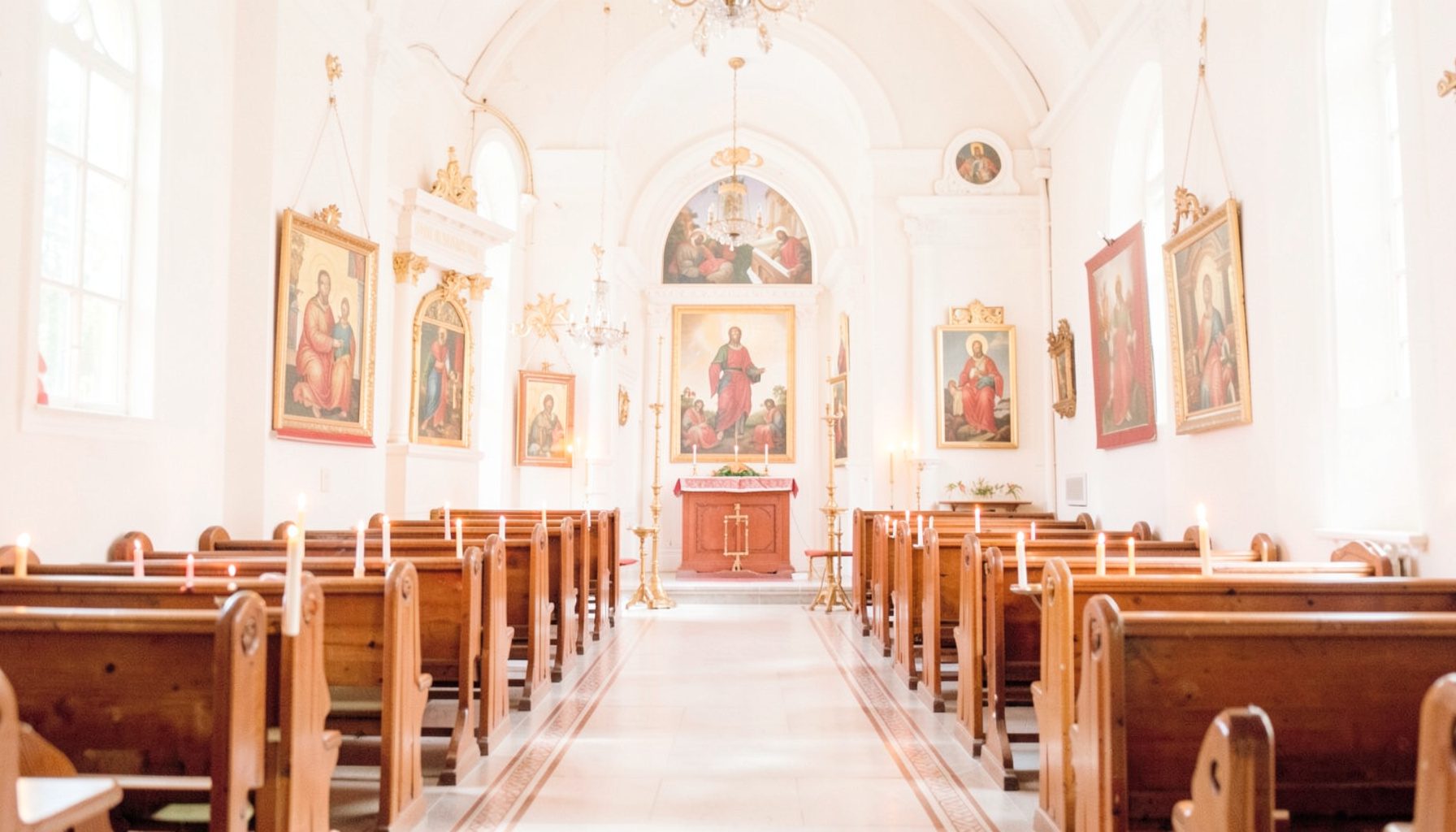
St. Nedela serves the Macedonian Orthodox community in Ajax and the surrounding region with regular worship, pastoral care, and facilities for gatherings.
Sunday Worship
Divine Liturgy every Sunday at 10 a.m. All are welcome to attend and participate in the life of the parish.
Services & Price List
Information on regular services, Easter schedules, and price lists is available through church administration or on the bulletin board in the hallway.
Banquet Hall
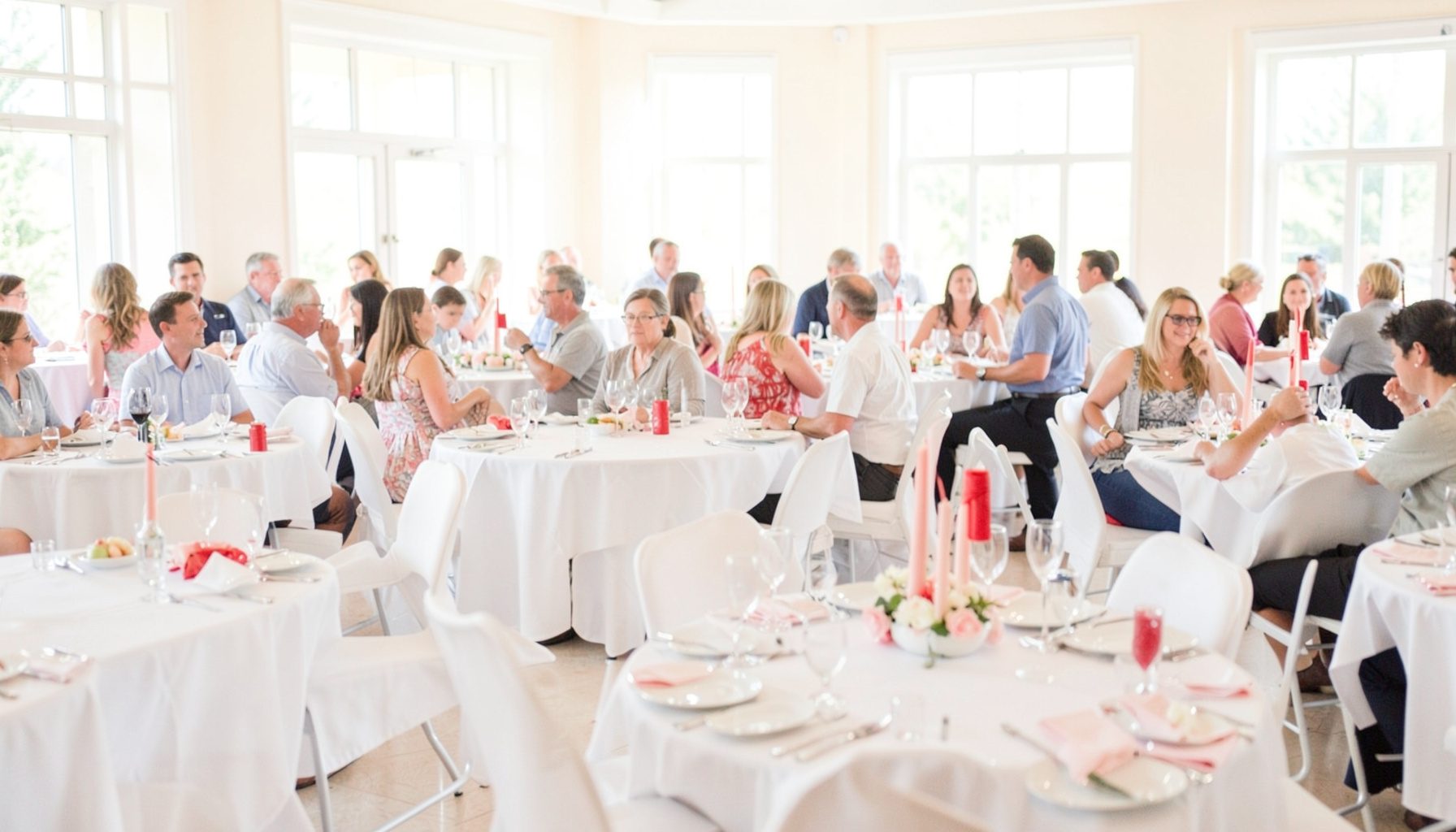
A hall accommodating up to 300 people is available for rentals. Contact Risto Trifunovski at 905-426-5355 for inquiries.
Prayers & Resources
Access the Lord's Prayer, the Nicene Creed, and prayers to the Mother of God — foundational texts of the Orthodox faith.
Kids' Corner
Resources and activities for the youngest members of our parish community.
Executive Board
Learn about the parish leadership and the dedicated volunteers who guide our church community.
Office & Contact Info
Parish Priest
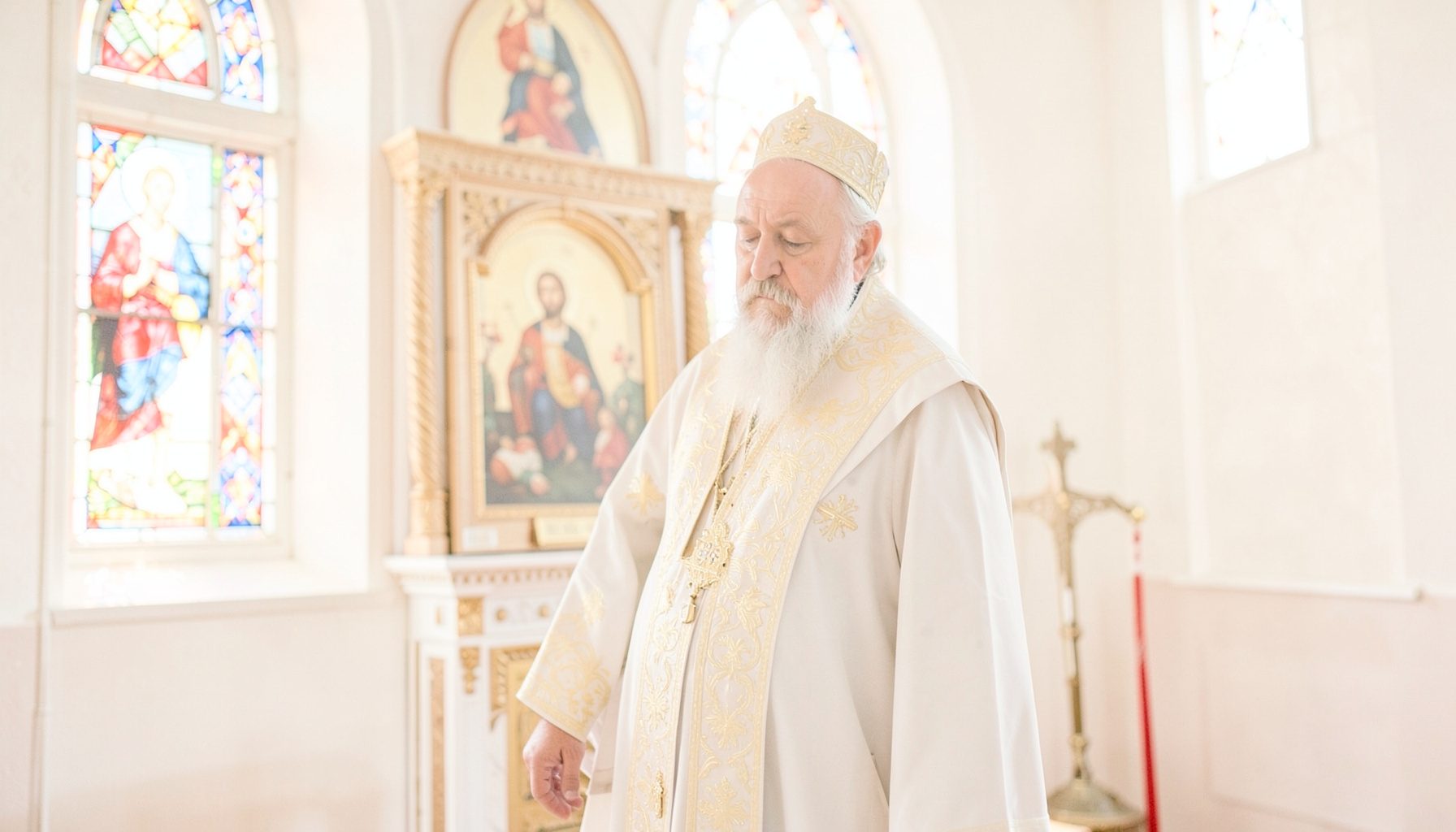
For religious or spiritual matters, contact Rev. Blage Dimitrievski at 416-568-4717 or blaged@stnedela.com.
Administration
Contact Secretary Helen Damtsis at 905-426-5355 for administrative inquiries.
Location & Hours
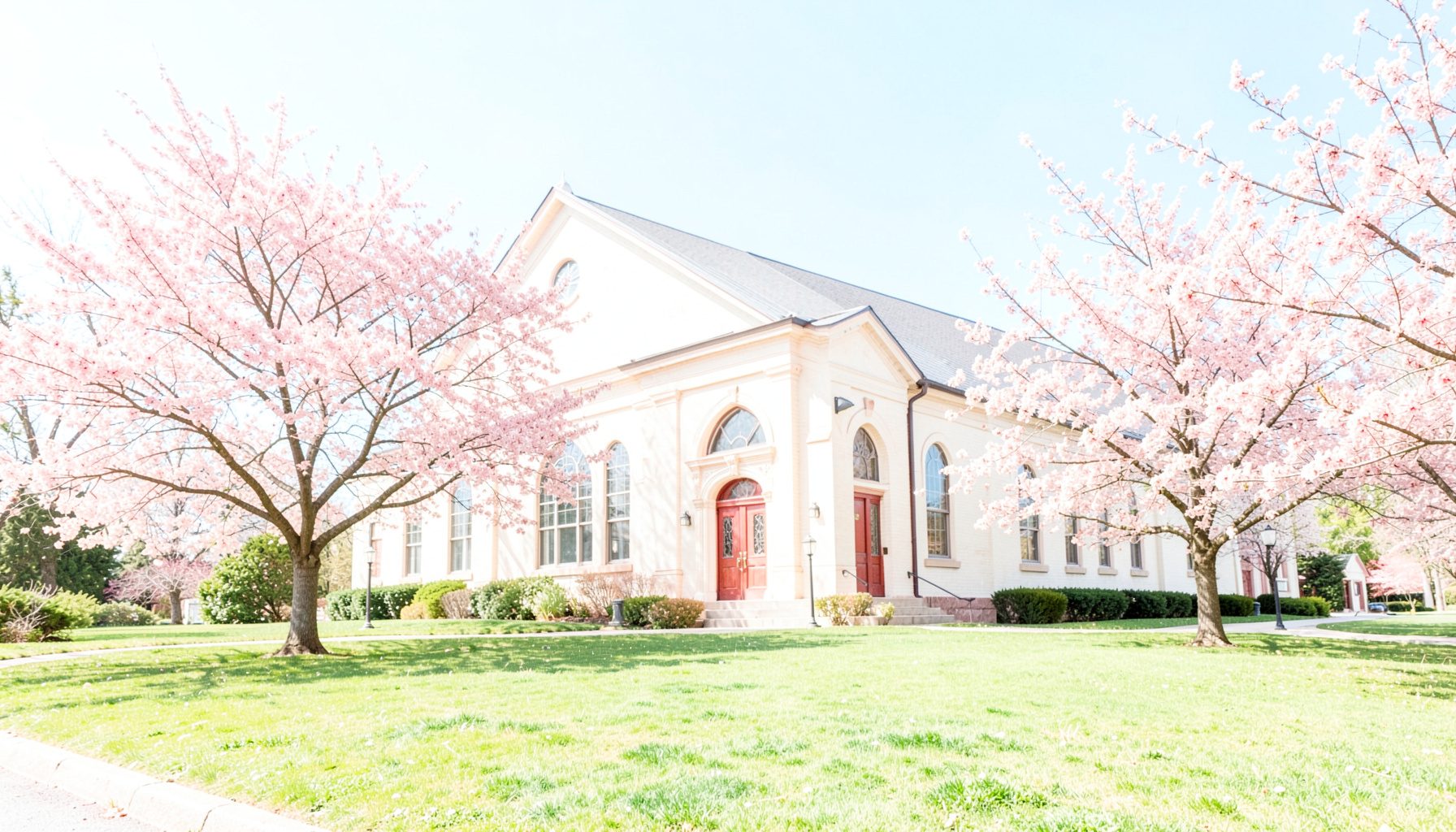
485 Bayly Street West, Ajax, Ontario, L1S 6M7
Open daily except Mondays, 10 a.m. – 4 p.m.
Insights & Articles
How to Settle Monthly Credit Payments During Unemployment
Guidance on handling loan repayments when facing job loss, including optional credit insurance for unemployment coverage.
Repayment of Loan Insurance
An overview of credit insurance for mortgages and loans, and how to opt out of insurance and recover premiums in certain situations.
What the Bible Says About Celebrating Christmas
A biblical exploration of Christmas celebrations, reflecting on scriptural perspectives regarding the holiday.
Gallery
Images from parish life, services, and community events at St. Nedela.