How many lights does your Christmas tree really need?
The right number of Christmas tree lights depends on more than the tree’s height. Its width, branch density, bulb size, lighting style and position in the room all affect how many strands will look balanced. A slim artificial tree may need far fewer lights than a full, bushy real tree of the same height, while a tree placed in a window usually benefits from extra brightness.
Australian homes also have a particular festive rhythm. Christmas arrives during warm weather, entertaining often moves between the lounge and the patio, and energy use can rise with air conditioning, outdoor displays and long evenings. Planning the lighting before shopping helps create a bright, polished tree without buying several tangled boxes of spare string lights.
Start with the tree’s size and shape
A useful starting point is to allow around 50 lights per metre for a soft, understated effect, 100 to 150 lights per metre for an evenly lit tree, and 150 to 200 lights per metre for a very bright, layered appearance. These figures describe individual LED bulbs rather than the length of the cable.
For example, a 1.5-metre tree might look attractive with 150 to 225 lights, while a 1.8-metre tree could need 180 to 270. A standard 2.1-metre living-room tree often works well with 250 to 350 lights. If the tree is unusually wide or has dense branches, move towards the upper end of the range. A narrow pencil tree may look crowded with the same quantity.
Measure the tree from the floor to its highest tip, but remember that the visible height may be less if the stand is hidden under a tree skirt. If you are decorating only the front and sides, you can reduce the quantity by roughly a third. A tree that can be seen from every angle, particularly one positioned near a window in a Melbourne terrace or a Sydney apartment, needs more coverage to avoid a dark back section.
The length of the light string matters as well. A packet marked “200 lights” may contain 20 metres of illuminated cable, or considerably less if the bulbs are closely spaced. Check both the bulb count and the lit length. The cable running from the plug to the first bulb is not part of the area that will decorate the tree.
Choose the lighting effect before buying
Warm white LEDs are the most versatile choice for traditional decorations, timber ornaments and red or gold baubles. Cool white can suit silver, blue and minimalist schemes, although it may feel stark in a room already filled with bright summer daylight. Multicolour lights bring a cheerful retro effect and work particularly well with handmade decorations, felt ornaments and family keepsakes.
Bulb size changes the visual density. Small rice or fairy lights can disappear among thick branches, so a larger number may be necessary. Classic 5-millimetre LEDs give consistent points of light, while larger faceted or globe bulbs make a strong statement with fewer units. For a tree decorated with large ornaments, oversized bulbs can compete for attention; smaller lights usually create a better background glow.
LEDs are generally the practical option for Australian households because they use less electricity and produce less heat than older incandescent sets. That matters during a hot December, especially in Queensland or Western Australia, where a tree may stand in a room cooled by an air conditioner. LEDs still need airflow and should not be pressed against fabric, paper decorations or a heater.
Look for Australian-compliant products with clear safety information and a suitable plug. Indoor and outdoor lights are not interchangeable: outdoor sets need an appropriate weather rating, while indoor cables should stay away from damp verandahs, balconies and pool areas. Never connect more strings than the manufacturer permits, even when each set appears small.
Use a method that spreads light evenly
There are two main ways to put lights on a Christmas tree. Wrapping them around the outside creates a bright, decorative outline, while weaving them in and out of the branches gives the tree depth. The second method usually looks more professional because some bulbs sit near the trunk and others shine at the tips of the foliage.
Divide the tree mentally into vertical sections and work from the plug upwards, or from the top down if that feels easier. Push each cable slightly into the branches, then bring it forward again every 20 to 30 centimetres. This prevents a ring of lights at the edge and leaves fewer unlit gaps between the boughs.
For a full 1.8-metre tree, begin with an evenly spaced 200-light strand and test the appearance before opening another. Add the second string where the first leaves a visibly dark section rather than automatically wrapping another layer around the entire outside. Keep the connection points accessible near the base, and leave enough lead cable to reach the socket without stretching.
A dimmer or timer can make a larger number of lights easier to live with. A timer set for the early evening prevents the tree from shining all night, while a low-brightness setting can soften a dense arrangement. This is especially useful in open-plan homes, where intense flashing or high-output lighting can dominate the dining and living areas.
Make the display safe for an Australian summer
Place the tree away from direct sun, fireplaces, ovens and heating vents. In northern parts of Australia, rooms can become warm even in the evening, and artificial needles can fade or become brittle when exposed to strong sunlight through a window. Real trees need a stable water supply, though the electrical connections must remain dry and elevated from the stand.
Use a power board with overload protection when several decorations share one outlet, and avoid running cables under rugs where they can be damaged or create a trip hazard. Check every strand before hanging it. Frayed insulation, loose bulbs, cracked plugs and warm connectors are reasons to replace the set rather than attempt a quick repair.
Outdoor displays around Brisbane, Adelaide or Perth often combine tree lights with illuminated eaves, pathways and balconies. Keep those circuits separate where possible, use weather-protected connections and switch everything off before storms. A compact indoor tree may use little power, but a whole-house display can add up quickly when it runs for many hours.
The tree should feel inviting rather than visually overwhelming. If bright lights make a room uncomfortable during gatherings, softer settings and non-flashing modes can help. Hosts who feel tense about entertaining may also appreciate practical social anxiety support before a busy Christmas get-together; a calm room, clear walkways and gentle lighting make social spaces easier for everyone.
Shop wisely and plan for next year
Australian retailers commonly sell LED strings in 50, 100, 200 and 500-light packs, with prices changing sharply between November sales, end-of-season clearances and December stock shortages. Compare the illuminated cable length, warranty, replacement policy and colour temperature rather than choosing purely by bulb count. A 100-light set with widely spaced bulbs may cover more tree than a tightly packed set with a shorter cable.
If you are decorating a new room or changing the whole festive scheme, measure first and set a firm seasonal budget. The same measure-before-buy approach is useful for larger household projects, including a budget kitchen remodel. Keeping decoration spending separate from essential bills makes it easier to decide whether a second or third light string is genuinely needed.
Avoid relying on credit for a display that will be used for only a few weeks. If a change in employment affects household cash flow, information about settling monthly payments can explain the importance of contacting lenders early. Similarly, anyone reviewing financial protection should read the relevant loan insurance details rather than assuming every policy covers the same circumstances.
Online Christmas shopping also rewards a little caution. Seasonal promotions can make a deal look better than it is, especially where bonus conditions or minimum spending apply. The same habit used when checking deposit bonus terms—reading the conditions instead of focusing on the headline offer—helps when comparing bundled lights, free delivery thresholds and limited-time discounts.
A well-lit tree usually needs fewer lights than people expect when the strands are placed through the branches instead of left around the outer edge. For most Australian living rooms, a starting point of 100 to 150 LEDs per metre gives a balanced glow, with extra lights added only where the foliage, ornaments or viewing angle call for them. That approach produces a festive display that looks deliberate, stays safer in summer and remains manageable to pack away when the season ends.
Our Parish & Services
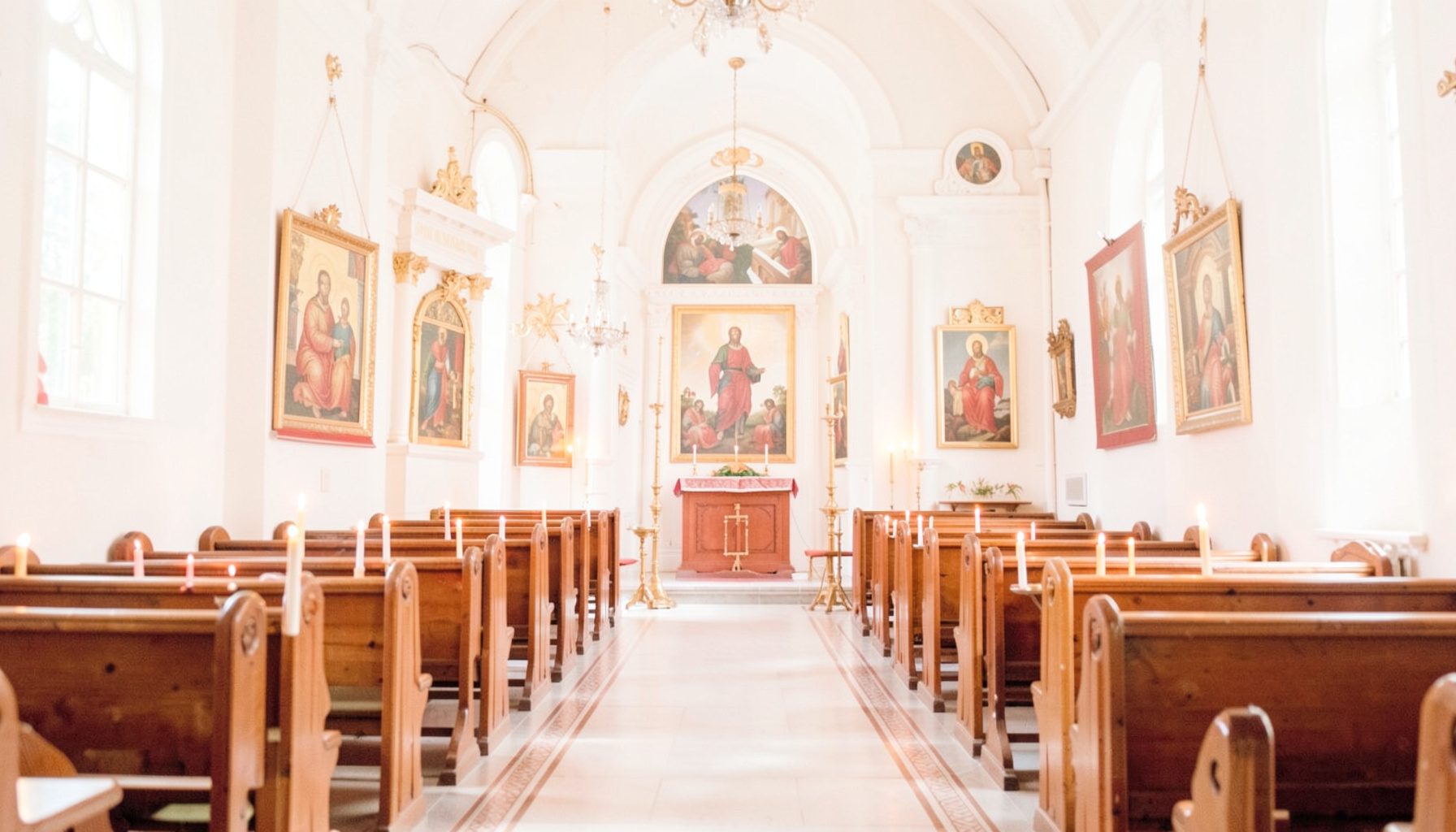
St. Nedela serves the Macedonian Orthodox community in Ajax and the surrounding region with regular worship, pastoral care, and facilities for gatherings.
Sunday Worship
Divine Liturgy every Sunday at 10 a.m. All are welcome to attend and participate in the life of the parish.
Services & Price List
Information on regular services, Easter schedules, and price lists is available through church administration or on the bulletin board in the hallway.
Banquet Hall
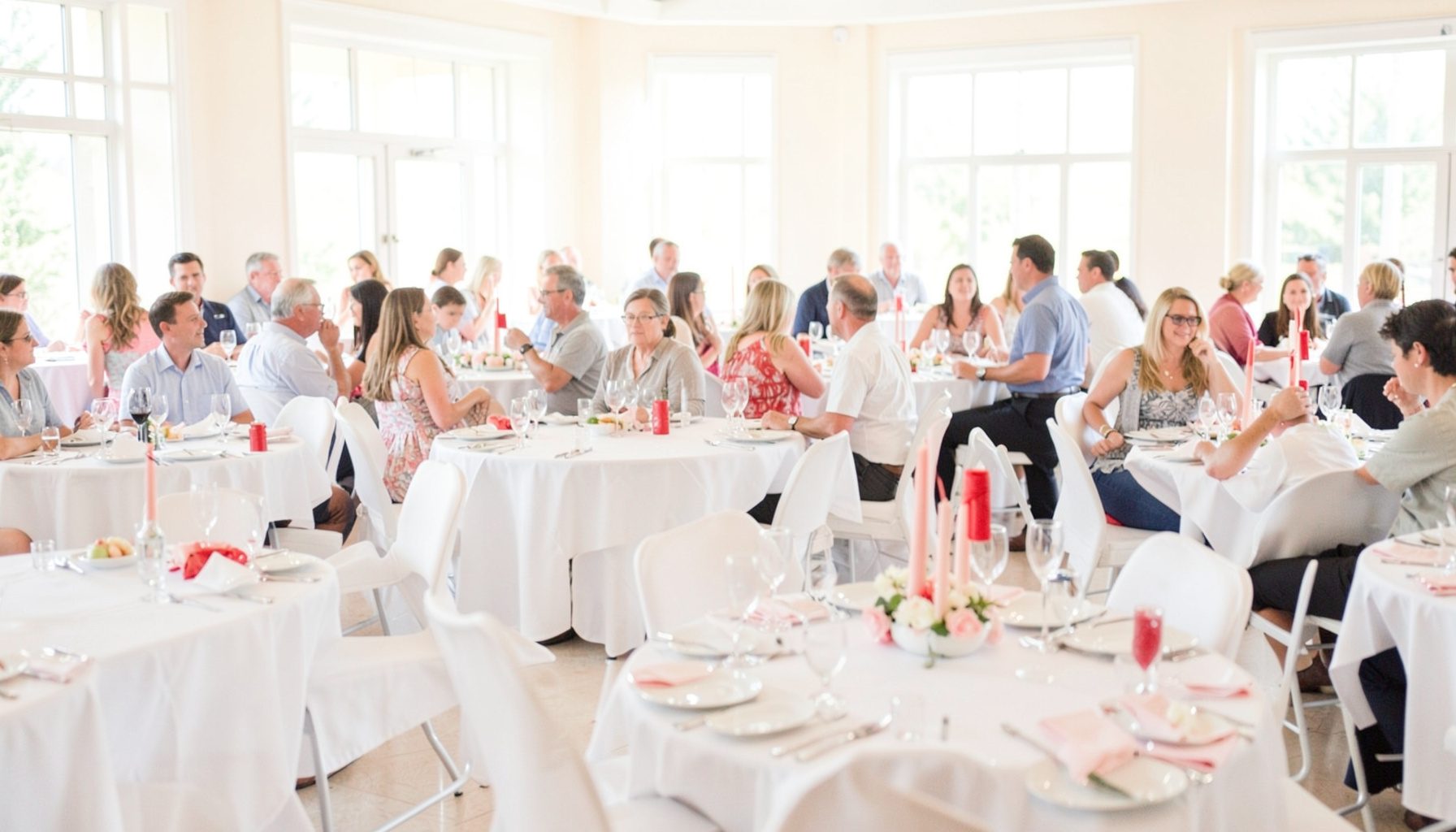
A hall accommodating up to 300 people is available for rentals. Contact Risto Trifunovski at 905-426-5355 for inquiries.
Prayers & Resources
Access the Lord's Prayer, the Nicene Creed, and prayers to the Mother of God — foundational texts of the Orthodox faith.
Kids' Corner
Resources and activities for the youngest members of our parish community.
Executive Board
Learn about the parish leadership and the dedicated volunteers who guide our church community.
Office & Contact Info
Parish Priest
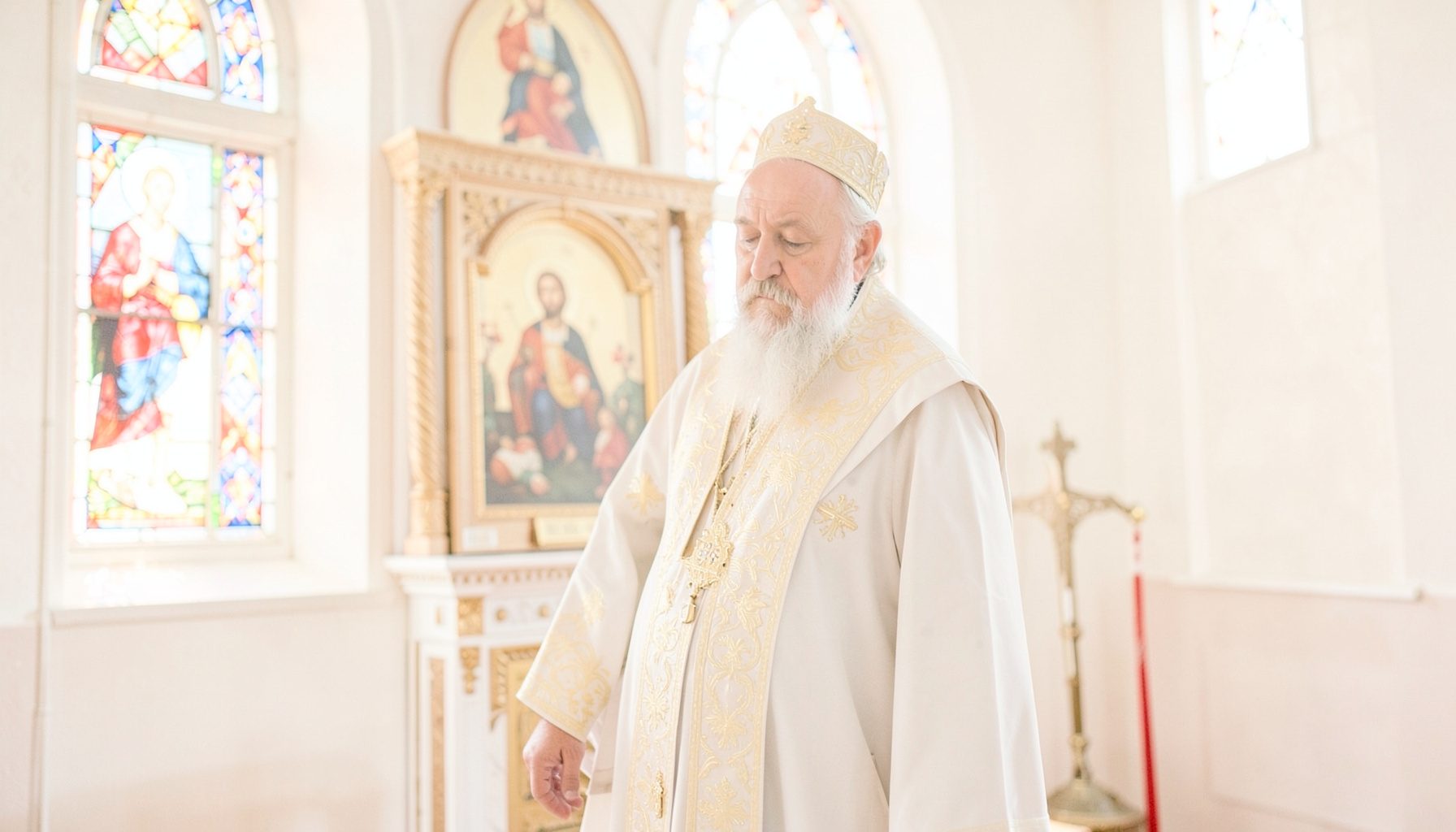
For religious or spiritual matters, contact Rev. Blage Dimitrievski at 416-568-4717 or blaged@stnedela.com.
Administration
Contact Secretary Helen Damtsis at 905-426-5355 for administrative inquiries.
Location & Hours
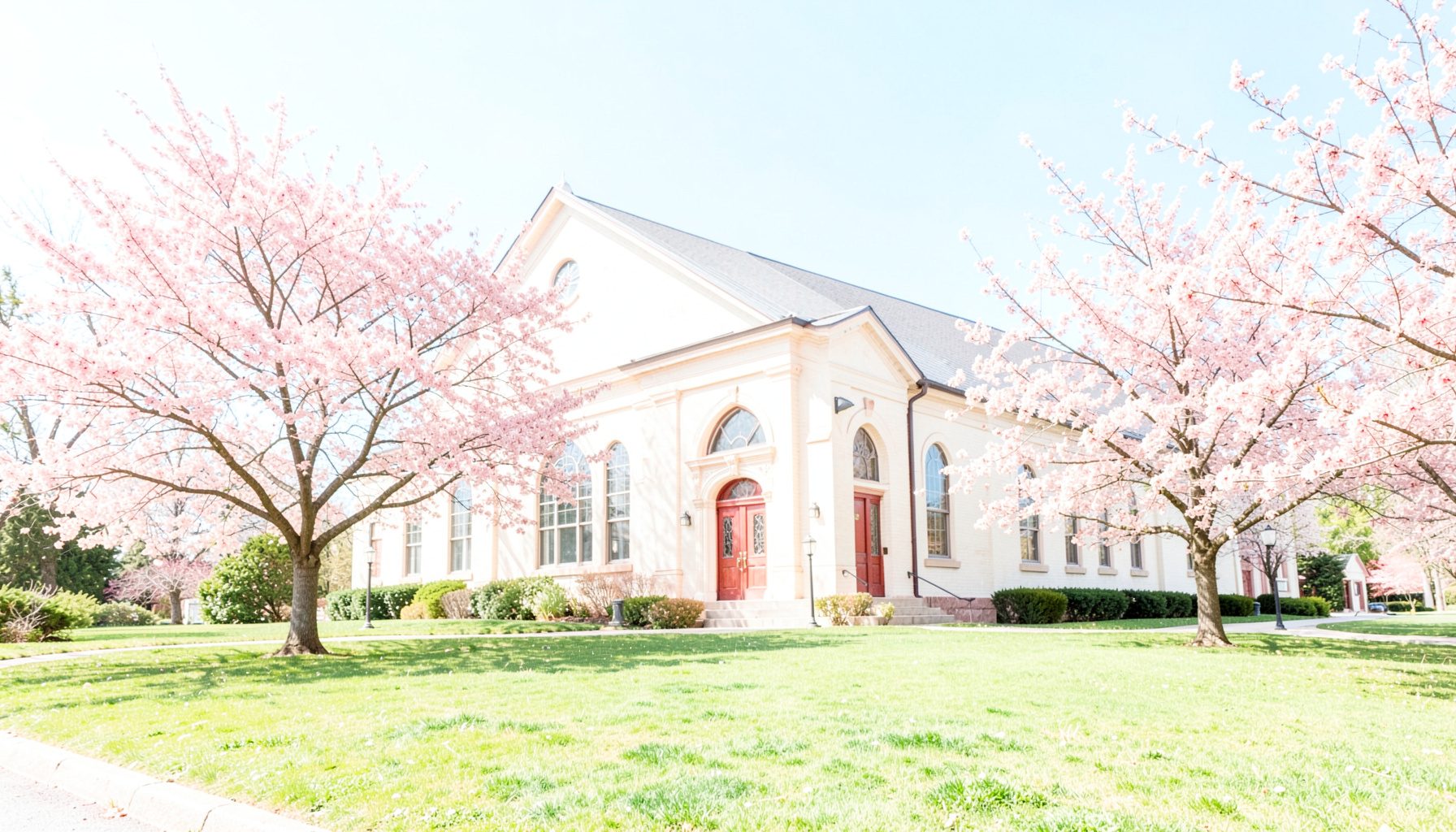
485 Bayly Street West, Ajax, Ontario, L1S 6M7
Open daily except Mondays, 10 a.m. – 4 p.m.
Insights & Articles
How to Settle Monthly Credit Payments During Unemployment
Guidance on handling loan repayments when facing job loss, including optional credit insurance for unemployment coverage.
Repayment of Loan Insurance
An overview of credit insurance for mortgages and loans, and how to opt out of insurance and recover premiums in certain situations.
What the Bible Says About Celebrating Christmas
A biblical exploration of Christmas celebrations, reflecting on scriptural perspectives regarding the holiday.
Gallery
Images from parish life, services, and community events at St. Nedela.