How to choose an outdoor Christmas projector for your home
Christmas falls in the Australian summer, so an outdoor display often supports parties, poolside gatherings and late-night family photos rather than a snowy scene. Good projects borrow from that setting: patterned light on a front wall, moving leaves across a fence, or a festive image framed by native plants. The aim is atmosphere that remains visible when the sun goes down.
A useful projector is defined by light output, throw distance, weather resistance, controls and mounting method, not by the largest effect in a promotional video. Measure the intended patch, note where power can safely run, and decide whether the unit must cope with hose water, dust, intense sun and sudden rain. Those checks matter more than extra animated scenes that will never suit the space.
Define the visual effect
Start with the surface and the role of the display. A tree, rendered wall, paling fence and patch of lawn each reflect light differently, while shrubs and architecture create shadows that may hide the effect. Decide whether the projector should produce one large image, scatter small motifs, or create movement across a defined area. That choice narrows the lens and mounting options immediately.
Consider viewing distance and audience position next. A family watching from the back of an Aussie backyard needs a wider beam and stronger contrast than guests seated near a dining table. Moving effects require smoother motion and more processing, while static silhouettes can look excellent at lower resolution. Check the projector's native aspect ratio so the chosen artwork is not stretched or cropped.
A small mock-up prevents an expensive mismatch. Sketch the area to scale, mark the projector position and test free phone images on the intended surface. A project inspiration checklist can help record motifs, colours and priorities before shortlisting equipment. Keep the palette to two or three main colours so the result looks coordinated rather than busy.
Check Australian weather conditions
Treat the weather rating as a hard limit. Look for an ingress protection rating such as IP44 or IP65; the first digit concerns solids, while the second concerns water. A unit approved only for indoor use should remain under cover. If it will stand in the open near a pool or garden bed, verify the rating rather than trusting words such as “splash-proof” on a retail box.
Conditions vary sharply across Australia. Perth and Alice Springs can expose equipment to fierce UV and heat, Melbourne can deliver a hot day followed by a cool shower, and Brisbane summers bring humidity, insects and heavy rain. Coastal gardens also collect salt that can corrode fittings. Ask whether the casing, lens and cable are UV-stabilised and resistant to salt, and allow ventilation on hot nights.
Power needs equal attention. Australian homes use 240 volts and Type I plugs, so check the supplied cable, adaptor and local certification. Outdoor extension leads must be suitable for the job, laid where nobody can trip, and protected by a residual current device. Keep connections above damp ground and away from irrigation sprinklers; condensation can form when a cold unit is brought into warm, humid air.
Match brightness and coverage
Compare brightness using useful measurements rather than a single lumen number. The relevant figure is the light reaching the surface, and even a strong projector can lose contrast in moonlight or against a brightly lit verandah. For most suburban displays, a focused beam and dark surroundings are more effective than raw output. Ask for demonstration footage at the distance and darkness you will actually have.
Coverage depends on the lens as much as the lamp. A narrow throw suits a front door or single tree, while a wide-angle lens can fill a broad fence but often reduces brightness and distorts the edges. Check the throw ratio, beam angle and any keystone correction; automatic correction can crop the image. A short-throw model is useful when the projector must sit close to the wall.
Online demonstrations need the same scrutiny as any screen review. An Osko visual review is useful only insofar as it describes what viewers actually see instead of repeating sales claims; a projector review should make equally clear whether footage is edited, colour-corrected or shot in darkness. Seek clips showing the full frame, edge visibility and motion.
Choose practical controls
Controls should work without a phone glued to the screen. A physical remote, clearly labelled buttons and a timer are valuable at the back door or beside a barbecue. App control can add scheduling and presets, but it should not be the only way to start the display. Check whether the unit stores settings locally, since a failed internet connection should not leave the garden dark on Christmas Eve.
Smart features are helpful when they reduce repetition. Look for memory recall, scheduled playback, music-reactive modes and adjustable speed, then check whether each function requires a subscription or hub. Bluetooth range may be shorter through a brick wall, while Wi-Fi control can remain practical on a patio. For renters, a portable unit with battery operation offers more freedom than a permanently installed system.
Content freedom affects enjoyment as well. Confirm whether the projector can display a video file, a phone feed or a built-in library, and whether common formats work without an app. Some devices shut down when a phone screen locks, while others continue a saved loop. Test the full sequence before the guests arrive, especially if the display is intended to sync with music or a neighbouring light set.
Plan safe, stable mounting
Choose a mounting position that keeps the lens above head height and clear of branches, roof runoff and irrigation. A tripod is useful for temporary displays, but place it on level ground, lock every joint and weight it according to the manufacturer's instructions. Wall or fence mounts need suitable fixings for the material; a screw in soft timber or hollow aluminium may not hold the unit safely.
If the projector sits on a rendered wall, patio or path, inspect the substrate first. Guidance on repairing cracked concrete can help prevent an existing flaw from worsening when a stand is moved or loaded. A level pad can protect the base, and a cable cover reduces both trip risk and damage from foot traffic.
Plan for wind, pets and accidental knocks. In coastal or exposed areas, select a rated bracket and a stable anchor rather than relying on a light tripod near the house. Keep the unit away from pool edges, where splashing and falling water create an electrical hazard. If access to the power point is poor, a properly rated outdoor lead should run along a wall rather than across a play area.
Compare total value
Judge value by the complete installation, not the lowest box price. Compare Australian-dollar pricing, lamp or LED life, warranty support, replacement cables and the cost of weather protection. A product carrying a Regulatory Compliance Mark, where applicable, and sold through an established Australian electronics or lighting retailer is usually easier to support than an unbranded import. The Australian Consumer Law also provides guarantees that should be checked with the seller.
If the purchase needs finance, include the repayment in the decision. A resource on managing unemployment repayments shows why a plan should survive a change in household income. Avoid committing a large share of spare cash to a seasonal gadget, and compare the total repayment cost with buying outright only when the terms and early-settlement conditions are clear.
Review independent tests, warranty exclusions and return windows, and prefer a model whose specifications can be verified before delivery. Seasonal lighting discounts can be tempting, but a cheap unit with a difficult return process may cost more than a supported product bought at a normal price. Local support, replaceable parts and straightforward warranty claims can deliver better value over several seasons.
Verify claims and rehearse before Christmas
Verify promotional claims before the trial. A beginner roulette strategy demonstrates why the rules behind a confident headline matter more than the promise itself; claims about projector brightness, runtime and weather resistance deserve the same scrutiny. Independent tests and clear manufacturer specifications are more useful than a montage filmed indoors. Then test the complete setup under realistic conditions, not at midday in a cleared room.
At the time you expect to use it, check the image from the main seating area and from the street. Look for blocked beams, reflections, colour casts and shadows. Run it for the length of a party, because cheap units may dim as they warm and battery-powered models may lose capacity sooner than expected. Ask a neighbour to view the display, as local council by-laws can limit excessive light and a moving image may be more intrusive than a steady glow.
Finish with a rehearsal that includes power, weather and timing. Charge batteries, update any app, save the playlist locally and pack spare leads, cable ties and a weather cover. Secure the unit as it was during testing and note where water could run. The strongest purchase is the one whose measured output, weather rating and mounting system suit the exact patch of Australian garden where it will be used.
Our Parish & Services
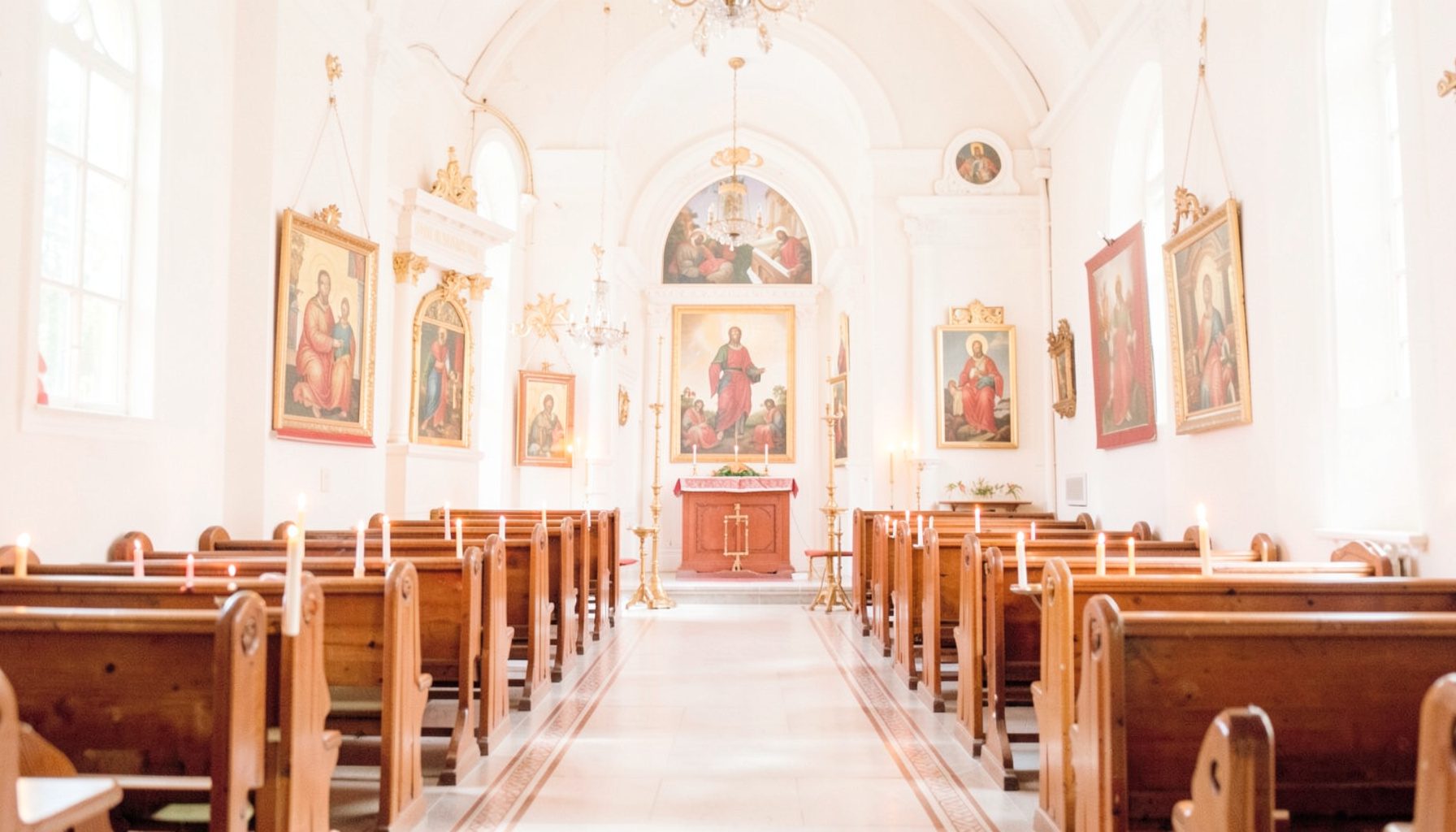
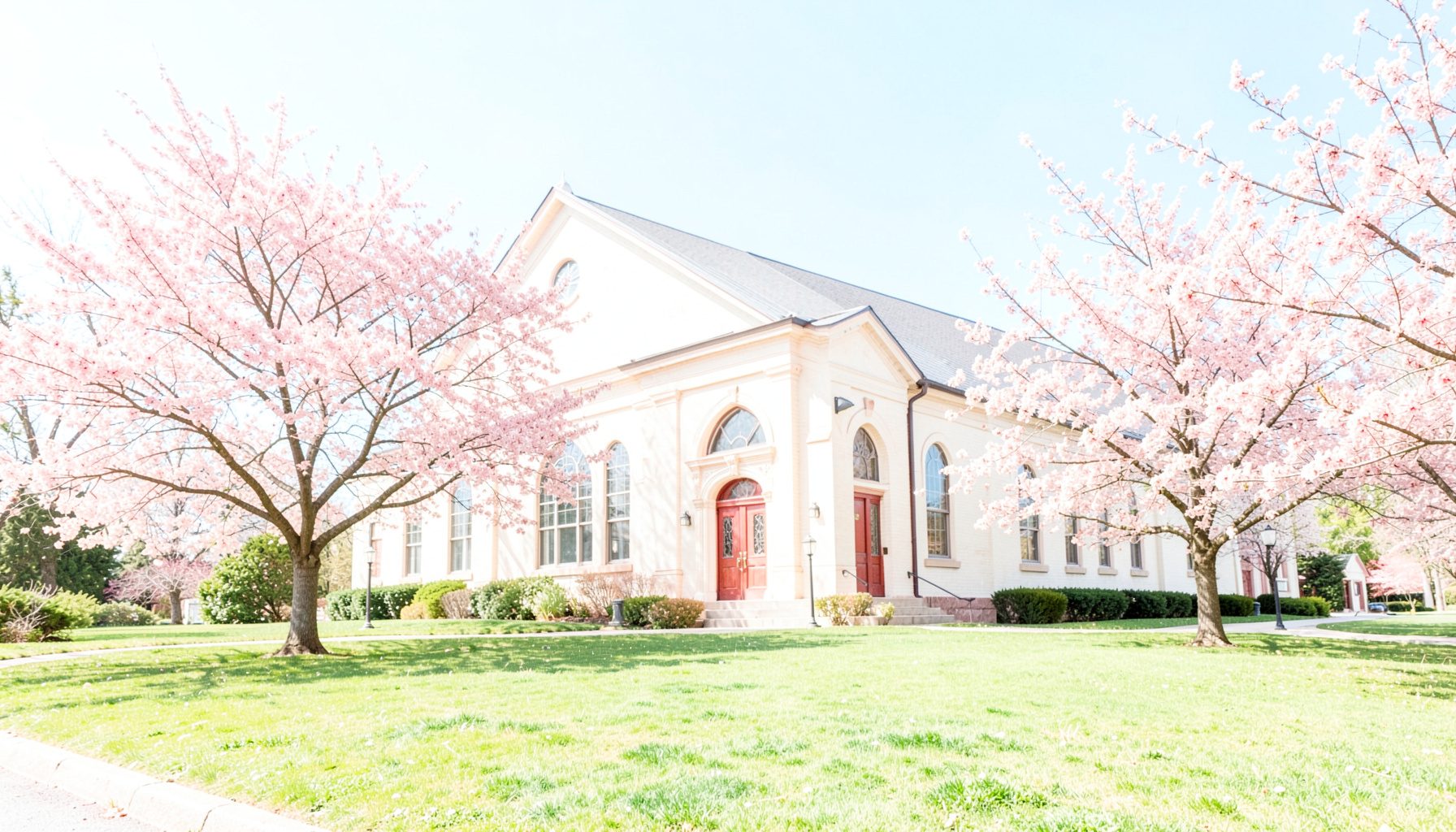
St. Nedela serves the Macedonian Orthodox community in Ajax and the surrounding region with regular worship, pastoral care, and facilities for gatherings.
Sunday Worship
Divine Liturgy every Sunday at 10 a.m. All are welcome to attend and participate in the life of the parish.
Services & Price List
Information on regular services, Easter schedules, and price lists is available through church administration or on the bulletin board in the hallway.
Banquet Hall
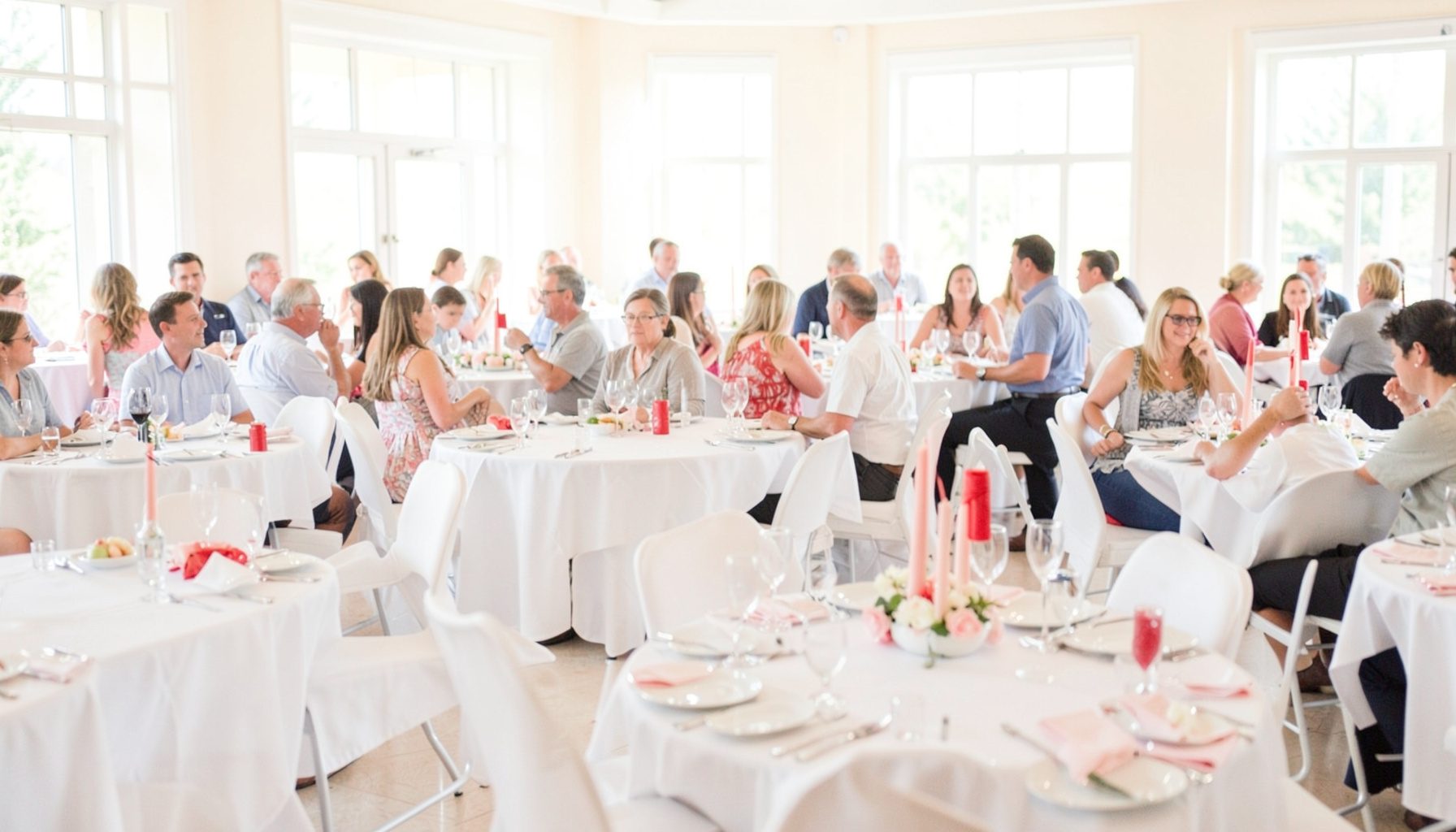
A hall accommodating up to 300 people is available for rentals. Contact Risto Trifunovski at 905-426-5355 for inquiries.
Prayers & Resources
Access the Lord's Prayer, the Nicene Creed, and prayers to the Mother of God — foundational texts of the Orthodox faith.
Kids' Corner
Resources and activities for the youngest members of our parish community.
Executive Board
Learn about the parish leadership and the dedicated volunteers who guide our church community.
Office & Contact Info
Parish Priest
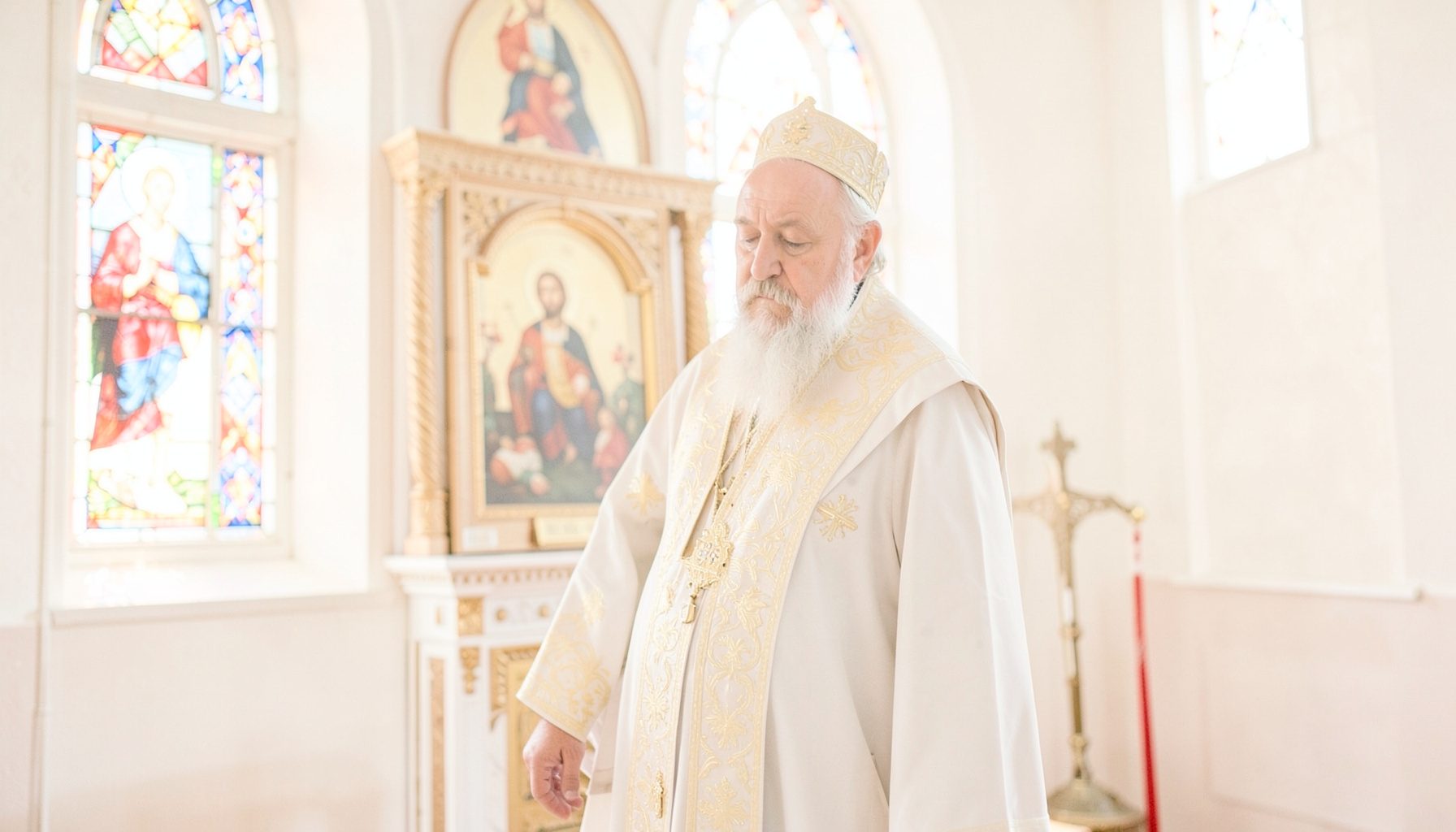
For religious or spiritual matters, contact Rev. Blage Dimitrievski at 416-568-4717 or blaged@stnedela.com.
Administration
Contact Secretary Helen Damtsis at 905-426-5355 for administrative inquiries.
Location & Hours
485 Bayly Street West, Ajax, Ontario, L1S 6M7
Open daily except Mondays, 10 a.m. – 4 p.m.
Insights & Articles
How to Settle Monthly Credit Payments During Unemployment
Guidance on handling loan repayments when facing job loss, including optional credit insurance for unemployment coverage.
Repayment of Loan Insurance
An overview of credit insurance for mortgages and loans, and how to opt out of insurance and recover premiums in certain situations.
What the Bible Says About Celebrating Christmas
A biblical exploration of Christmas celebrations, reflecting on scriptural perspectives regarding the holiday.
Gallery
Images from parish life, services, and community events at St. Nedela.