How to coordinate your Christmas tree with your home's decor
Putting up a Christmas tree is one of those small rituals that changes the whole feel of a house, but the real magic happens when the tree feels like it grew out of the room rather than being dropped into it from a catalogue. Many Australian households treat December as the moment to finally lean into the festive look, only to find the new ornaments clashing with the curtains or the lights fighting the rest of the lounge.
The trick is to treat the tree as another piece of furniture, with its own scale, palette and texture, much like you would approach buying a sofa or a rug. A great tree should nod toward the architecture, the colour of the curtains, the timber of the floorboards and the mood of the lighting already installed in the room.
Pulling that off does not require a design qualification. A slow walk around the room with a cup of coffee and an honest eye usually does the job. Whether you live in a Queenslander in Brisbane, a weatherboard cottage in Hobart, or a newly built apartment in Sydney's Inner West, a few considered choices will make the whole house feel pulled together for the festive stretch.
Reading your room before you decorate
Before you even think about baubles, take a hard look at the room that will hold the tree. What are the dominant colours on the walls, the sofa and the rug? Most Australian living rooms run on a fairly tight palette, often soft greys, warm whites, sandy neutrals or the deeper greens and blues that have dominated the last few years.
If your home already leans coastal with pale linen, rattan and bleached timber, the tree should not suddenly become a riot of crimson and gold. That said, this is Christmas, not a meditation retreat, so a touch of boldness is welcome. Choose two main ornament colours that tie back to something already in the room, then add one purely festive accent that stands proud and lifts the energy.
Also notice the vertical lines of the space. Tall ceilings in a Victorian terrace in Melbourne's inner north can comfortably swallow a 2.4 metre tree, while a low-ceiling apartment in Perth will look pinched. A tree should reach comfortably toward the ceiling without brushing it, and the bulk of the lower branches should not block foot traffic through the room.
Picking a tree that matches the architecture
The shape, fullness and even the species of the tree matters more than people realise. A narrow pencil-style tree suits a townhouse hallway, while a full, wide tree rewards a room with generous proportions and a deep window alcove where the family gathers.
Real trees still hold their own in Australia, with the popular varieties being the sturdy Nordmann fir and the traditional pine, both sourced from local growers in the lead-up to December. Some households branch out, literally, toward the Australian native Casuarina glauca, also called the she-oak or coastal pine, which gives a softer, more open silhouette and a faintly coastal character that suits beachside homes.
If a real tree feels like too much fuss with the watering, the needles and the occasional caterpillar that hitches a ride into suburbia, an artificial tree has come a long way. Quality faux trees now mimic the layered, slightly imperfect branch tips of a real specimen. For those who want a one-stop setup, ordering from a Christmas tree supplier can save a long Saturday of dragging a 7-footer through the front door.
Building a cohesive colour story
Colour is where most people either land in harmony or fall into chaos. Rather than starting with the ornaments, start with a single statement piece: the tree topper, an heirloom decoration or a keepsake from a recent holiday abroad. From that single object, pull out two or three colours and stick to them across the rest of the tree.
In Australian homes, palettes often drift toward gum-leaf greens, terracotta, ocean blues and warm whites. Use those as your base, then layer in metallics. Brass and copper read warmer under Australian light than silver, which can look slightly cold once the sun has set. If you have a feature wall in deep navy or forest green, echo that colour in the baubles or in the ribbon wound through the branches.
Mind the contrast between the wall behind the tree and the tree itself. A dark wall hides dark ornaments, while a pale Scandi-style interior lets every colour pop. Hold up a single ornament against the wall as you unpack the boxes to make quick, confident choices without second-guessing later.
Lighting choices for Australian evenings
By the time most households in Sydney, Adelaide or the Gold Coast turn their tree lights on, the sun has barely dropped, so the lighting has to compete with daylight at first and then carry the show through the evening.
Choose warm white LEDs over cool white. The latter looks blue under Australian dusk and harsh against timber. Warm white reads nostalgic, soft and a little golden, the kind of light that flatters a glass of shiraz on the coffee table. Avoid the rainbow colour-changing lights that dominated the 2010s unless your whole house is built around them.
A second layer of lighting in the room matters too. Dimmers on the main lights, a floor lamp angled toward the tree, and a couple of candles or a small strand of garland lights over the mantlepiece all work together. Homes lucky enough to include a working fireplace or a slow-combustion wood heater, a more likely reality in Hobart, the Blue Mountains or anywhere south of the Snowy Mountains during a cool Tasmanian summer, pair that glow with the tree's lighting to create layered warmth. Designers at long-running European fireplace outlets have shown how carefully placed flames anchor a room.
Embracing native botanicals and bushland motifs
Australians are slowly moving away from importing a wholesale Northern Hemisphere Christmas look. Wreaths made from eucalyptus, banksia, grevillea and pepperberry are showing up in galleries, pubs and even Bunnings endcaps, and the same botanicals translate beautifully into tree decoration.
Larger branches tucked into the tree at varied heights add organic volume and bring a faintly bushland scent into the room. Smaller gum-leaf sprigs wired onto plain baubles make for custom-looking ornaments on a tight budget. Native flowers tend to carry muted pinks, silver-greens and earthy reds, which slot neatly into the palettes already popular in modern Australian interiors.
For households worried about fire risk in the more bushfire-prone suburbs around the edges of Melbourne, Canberra and the Adelaide Hills, keep fabric or paper decorations well clear of any candles, and consider flameless tea lights near the tree. Several local councils publish seasonal safety advice worth a quick read in November.
Blending indoor and outdoor Christmas displays
The tree is rarely the only festive display in a modern home. Verandah garlands, front-door wreaths, a window candle in the front rooms, and sometimes a small potted cypress on the porch all join the conversation.
Coordinating these means repeating at least one element across the indoor and outdoor spaces. A ribbon colour used on the tree that reappears on the front-door wreath. A type of greenery that ties the verandah arrangement to the lounge room. Repeat the same accent two or three times across the house, and the whole place feels like it belongs to one person, not five different decorating impulses.
For balconies and small courtyards in higher-density areas of Brisbane, Melbourne or the Sydney CBD, scaling down is the rule. A slender potted cypress with a handful of small warm-white lights often beats a full tree on a balcony where the wind can quickly undo careful work.
Pulling it all together with finishing touches
The last ten per cent of styling is what separates a tree from a styled tree. Tree skirts or a woven jute basket at the base hide the stand and echo other textures in the room. A neatly tied bow at the top, with ribbon tails that drape down rather than sticking out, keeps the silhouette elegant.
Pick one or two heirloom pieces and let them breathe by placing them where the eye naturally lands. Hang a few ornaments deeper inside the branches rather than only on the tips, which gives the tree weight and makes it feel less like a wall hanging and more like a real specimen.
When the room feels complete, take a photo from the doorway. If the tree looks like an integrated part of the room rather than an object placed in front of it, the plan has worked. For those who want to explore further ideas or hand the heavy lifting over to someone, setup professionals are worth a look.
When it comes to comparing common approaches, here is how some of the most popular Australian styles stack up:
| Decor style | Typical palette | Tree shape | Key materials | Best room match |
|---|---|---|---|---|
| Modern coastal | Whites, soft blues, sandy neutrals | Slender, medium height | Rattan, bleached timber, linen | Open-plan apartments, Queenslander verandahs |
| Bush Christmas | Eucalyptus greens, terracotta, gum-leaf pinks | Full, slightly wild | Native branches, woven baskets, raw timber | Weatherboard homes, rural properties |
| Classic heritage | Deep green, crimson, antique gold | Tall, dense traditional | Velvet ribbons, glass baubles, brass hooks | Victorian terraces, formal dining rooms |
| Scandi minimal | White, soft grey, pale wood | Sparse, slim profile | Paper stars, felt garlands, birch accents | New apartments, single-storey homes |
| Bold maximalist | Jewel tones, mixed metallics | Large and dramatic | Velvet, sequins, layered ribbons | Large open-plan living rooms |
A reliable way to keep things steady across the years is to jot down what worked, what felt forced and what you would change. A quick note in the back of an old diary, a few photos on the phone, or a dedicated decoration project tracker makes Christmas coordination a smoother run every December.
Our Parish & Services
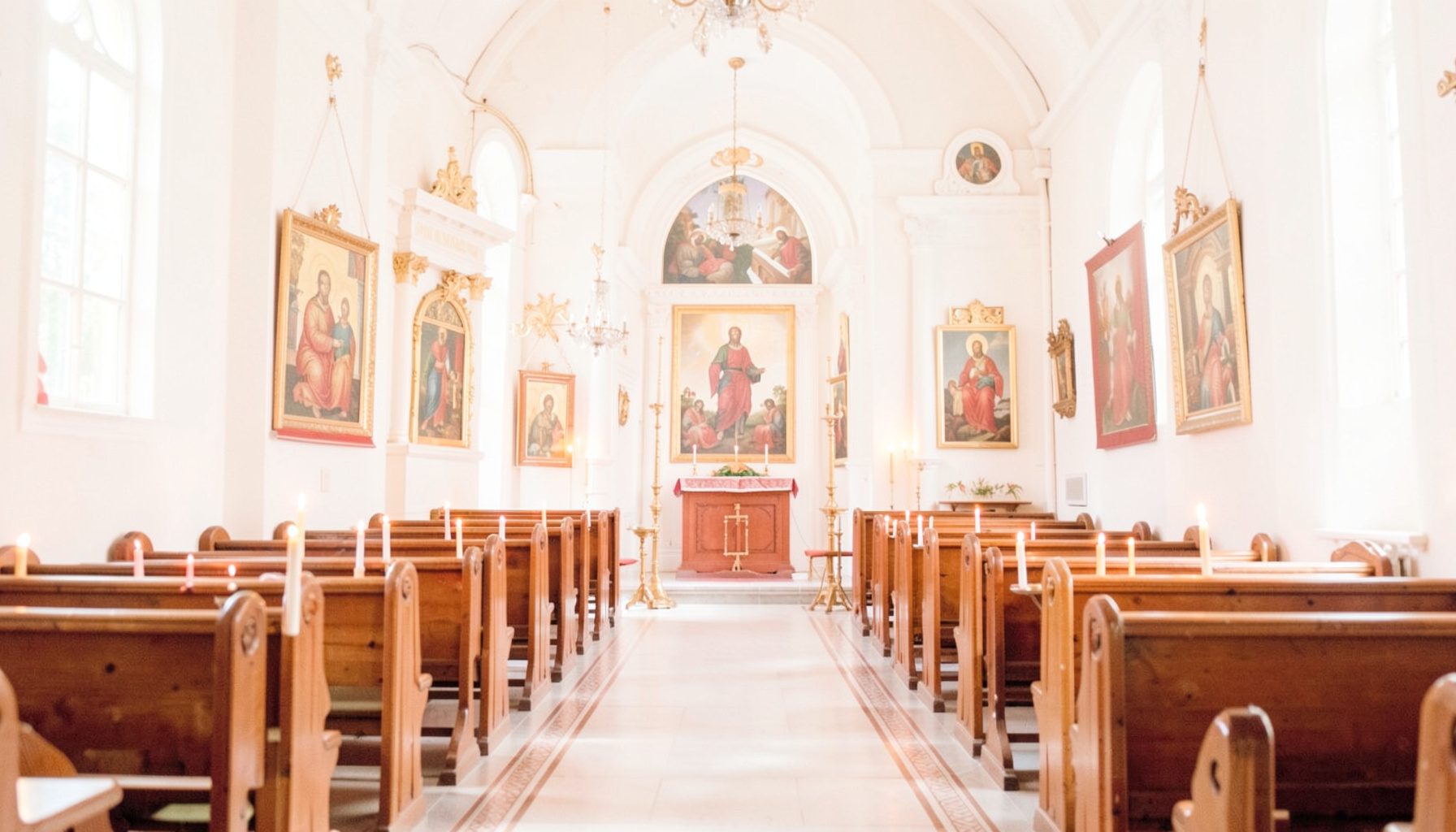
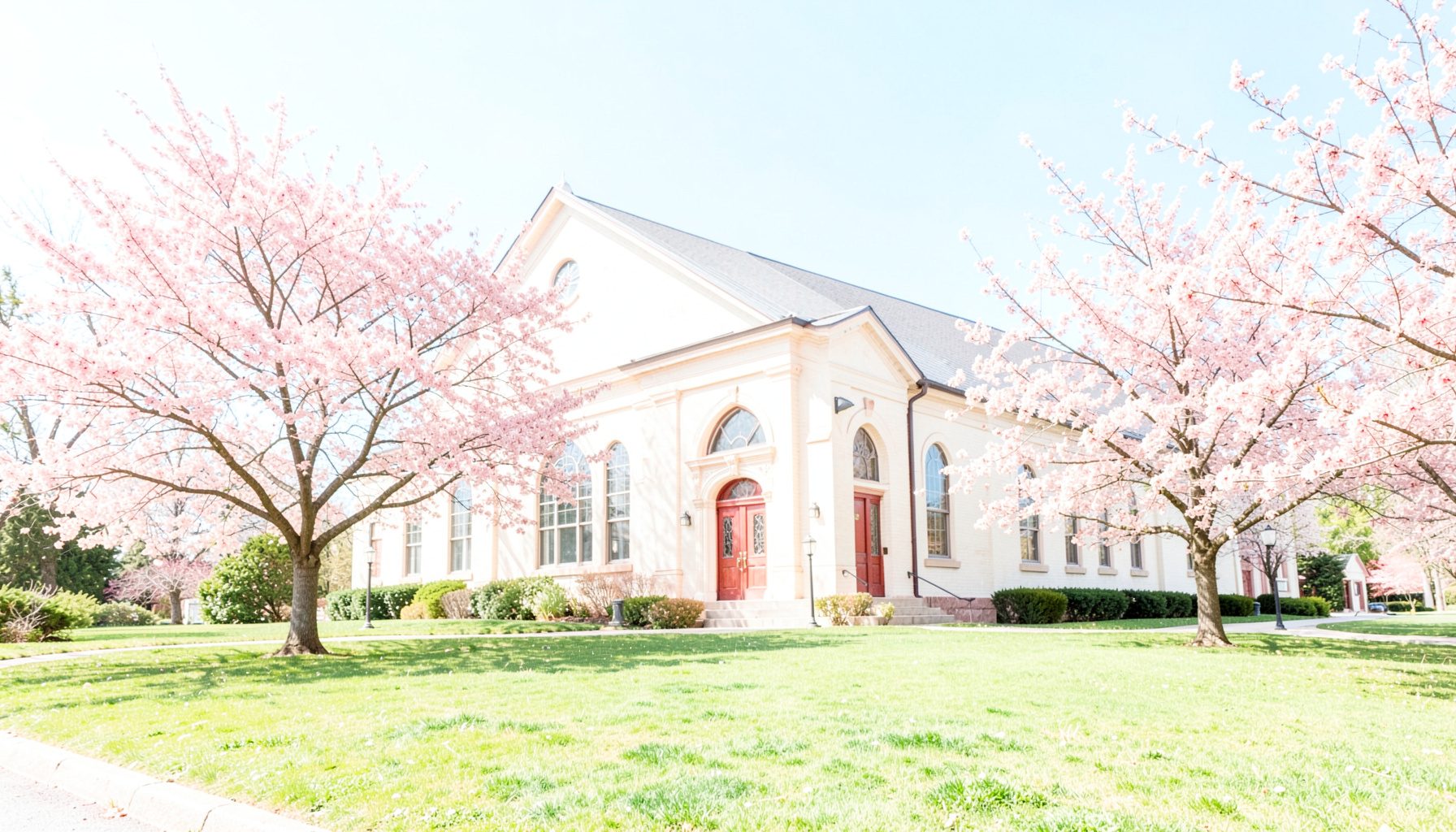
St. Nedela serves the Macedonian Orthodox community in Ajax and the surrounding region with regular worship, pastoral care, and facilities for gatherings.
Sunday Worship
Divine Liturgy every Sunday at 10 a.m. All are welcome to attend and participate in the life of the parish.
Services & Price List
Information on regular services, Easter schedules, and price lists is available through church administration or on the bulletin board in the hallway.
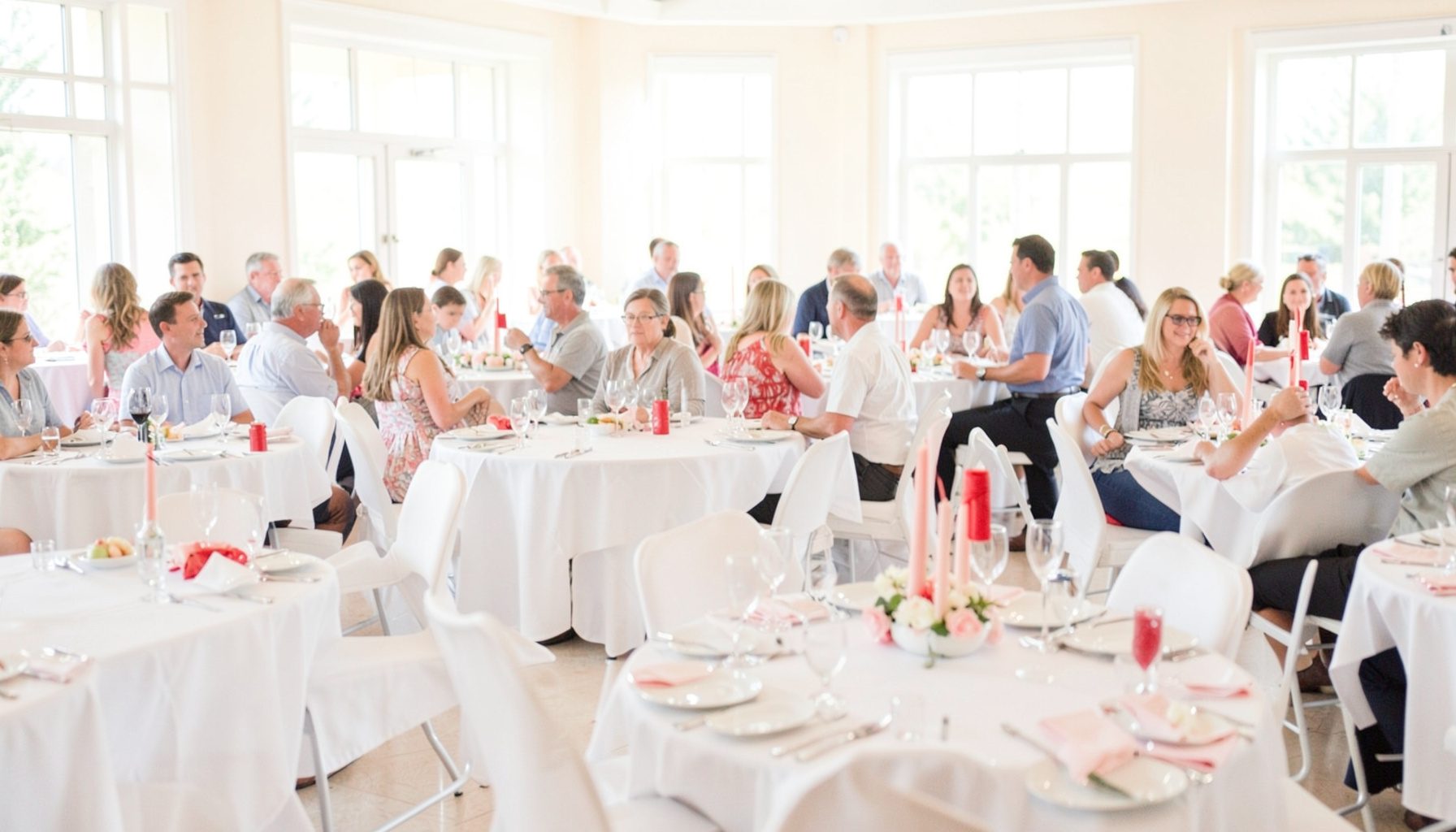
Banquet Hall
A hall accommodating up to 300 people is available for rentals. Contact Risto Trifunovski at 905-426-5355 for inquiries.
Prayers & Resources
Access the Lord's Prayer, the Nicene Creed, and prayers to the Mother of God — foundational texts of the Orthodox faith.
Kids' Corner
Resources and activities for the youngest members of our parish community.
Executive Board
Learn about the parish leadership and the dedicated volunteers who guide our church community.
Office & Contact Info
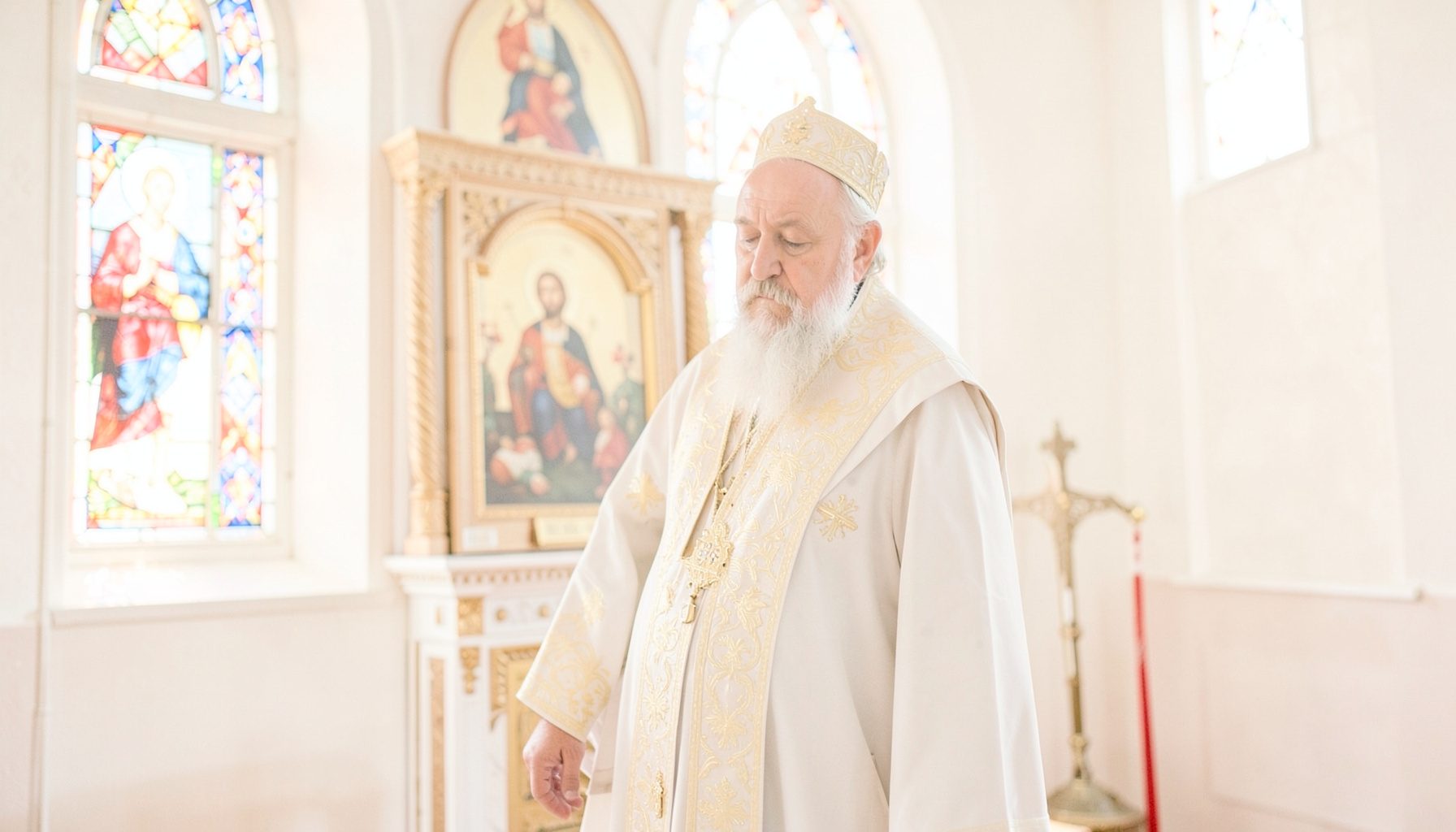
Parish Priest
For religious or spiritual matters, contact Rev. Blage Dimitrievski at 416-568-4717 or blaged@stnedela.com.
Administration
Contact Secretary Helen Damtsis at 905-426-5355 for administrative inquiries.
Location & Hours
485 Bayly Street West, Ajax, Ontario, L1S 6M7
Open daily except Mondays, 10 a.m. – 4 p.m.
Insights & Articles
How to Settle Monthly Credit Payments During Unemployment
Guidance on handling loan repayments when facing job loss, including optional credit insurance for unemployment coverage.
Repayment of Loan Insurance
An overview of credit insurance for mortgages and loans, and how to opt out of insurance and recover premiums in certain situations.
What the Bible Says About Celebrating Christmas
A biblical exploration of Christmas celebrations, reflecting on scriptural perspectives regarding the holiday.
Gallery
Images from parish life, services, and community events at St. Nedela.