How to Dispose of a Real Christmas Tree Responsibly
A real Christmas tree brings scent, texture and a seasonal feeling that artificial foliage cannot quite reproduce. Once the presents are opened and the needles begin to fall, however, the tree needs a considered exit. Leaving it beside a general rubbish bin or dumping it in bushland can create hazards for people, wildlife and local waterways.
Responsible disposal means keeping the tree out of landfill where possible, removing decorations carefully and choosing an appropriate recycling, green-waste or reuse option. A cut tree can become mulch, habitat material or garden compost feedstock, provided it has been prepared correctly and accepted by the relevant service.
Australian households need to check local rules because collection systems differ between councils. A service available in inner Melbourne may not operate in suburban Perth, while hot conditions in Brisbane or Adelaide can dry a tree quickly and increase its fire risk. Collection dates may also be limited to the weeks immediately after Christmas.
The end of the tree can be planned alongside the rest of the festive tidy-up. Ideas for storing ornaments, refreshing a display and managing seasonal decorations can be found in this Christmas decorating guide, while the tree itself should be handled as green waste rather than ordinary household rubbish.
Check local collection rules first
The simplest responsible option is often a council Christmas tree collection or a green-waste drop-off facility. Councils may provide temporary collection points in parks, car parks or transfer stations during January. Others ask residents to place the tree beside the kerb on a nominated day, separate from the normal garden-organics service.
Search your council website using terms such as “real Christmas tree recycling”, “green waste drop-off” or “Christmas tree collection”. Confirm whether the service is free, whether bookings are needed and whether only natural, undecorated trees are accepted. Rules can change from year to year, especially when councils alter their waste contractors or collection schedules.
Timing matters in Australian cities. In Sydney and Melbourne, temporary drop-off sites can become busy after New Year’s Day, while councils in warmer regions may encourage early disposal because trees dry rapidly. When checking local event listings—whether for a gaming club near me or a nearby recycling day—use the organiser’s current page to verify the address and opening hours rather than relying on an old social-media post.
Prepare the tree before transport
Remove every decoration, hook, light, ribbon and piece of tinsel before taking the tree away. Check the branches for forgotten baubles, especially small ones that may be hidden close to the trunk. Take off the stand and keep it for next year if it is still sound. Metal stands, pots and plastic tree bags should go through their own appropriate waste streams.
Never put a real tree into a green bin if it is too large for the lid to close or if the council specifies a different process. Some services ask residents to cut the trunk and branches into short lengths. Others accept whole trees at a transfer station but refuse them in kerbside bins because they can jam collection machinery.
For safe handling, wear gloves, keep children away from falling branches and ask another adult to help with a tall or heavy tree. Wrap the trunk loosely in an old sheet when carrying it through the home. This reduces needle loss and protects walls, floors and hands, although the sheet should be shaken out outdoors before washing.
Reuse branches, timber and needles carefully
A tree can have a useful second life in the garden. Small branches may provide temporary shelter for lizards, insects and ground-feeding birds, while thicker sections can be cut into short lengths for garden edging or rustic plant supports. Place untreated timber on soil rather than in a pond, stormwater drain or area where it could obstruct paths.
Needles can be used as a dry carbon material in a compost system, but they break down slowly and should be mixed with leafy green material, vegetable scraps and moisture. Avoid spreading a thick layer around delicate plants. Pine needles are often blamed for making soil strongly acidic, yet their effect is generally modest once they decompose; the main concern is an overly dense, water-repellent layer.
Branches and chipped wood can also become mulch around established garden plants. Before amending heavy Australian clay, read this guide to improve clay soil, since drainage, particle size and organic matter all influence whether homemade mulch will help. Keep fresh wood chips away from plant stems, and do not use material from a tree that has visible disease or chemical treatment.
Avoid unsafe and unsuitable disposal methods
Do not burn a Christmas tree in a fireplace, backyard fire pit or outdoor fire. Fresh or recently cut trees contain resin and can burn fiercely, while dry branches may produce sparks and chimney deposits. Local fire restrictions are especially important during the Australian summer, when total fire bans and severe weather warnings can apply.
A tree should never be dumped in bushland, on vacant land, beside a creek or in a public reserve. This is illegal in many areas and can introduce weeds, pests or plant disease. It can also obstruct drainage channels and become a fire hazard. Even if the tree looks natural, an unauthorised pile is still litter and may attract a fine.
Do not put the whole tree into a landfill bin unless the council specifically instructs you to do so. Large trunks can damage compacting equipment, and organic material in landfill produces methane as it decomposes without enough oxygen. Burning, burying or abandoning the tree usually creates more environmental harm than arranging a proper green-waste solution.
Choose low-cost options and plan ahead
If council recycling is unavailable, contact a local arborist, garden-maintenance service, community garden or plant nursery. Some arborists accept trees for chipping, although they may charge for collection. Community groups occasionally organise drop-off days and use the material for paths, habitat projects or mulch. Confirm acceptance before loading the tree into a vehicle.
Costs are usually lower when disposal is arranged before the holiday period ends. A household can compare the council transfer-station fee with a shared pickup among neighbours. If a paid service is necessary, treat it as a seasonal household expense and check the full price, including travel, minimum charges and any fee for oversized material. Households under financial pressure can find general information about monthly payments during unemployment, though a waste charge should not be placed on credit without understanding the repayment terms.
Some people buy a potted living tree and plant it later, but this is different from disposing of a cut tree. A living specimen needs a suitable climate, gradual adjustment to outdoor conditions and enough garden space. In many Australian homes, especially apartments and compact urban blocks, a cut tree sent to a council organics facility is the more practical environmentally responsible choice.
A disposal plan also helps avoid unnecessary purchases next Christmas. Keep a note of the tree’s height, the stand size and the date it was collected. If a tree service or delivery provider offers an optional protection product connected with a finance agreement, read the terms carefully; information about loan insurance details can help explain why such add-ons should be assessed separately from the cost of the tree.
Turn the clean-up into a useful routine
Once the tree has left the house, sweep or vacuum needles rather than washing them into a drain. Needles can tangle in pipes and may harm aquatic environments when mixed with other household debris. Wipe the area under the stand, dry the floor and check for sap before it hardens. A small amount of cooking oil or a suitable surface cleaner can help remove sticky residue, but test any product first.
Store the stand, lights and ornaments in labelled containers so next year’s decorating is quicker. Keep fragile items away from heat and moisture, and inspect electrical cords before packing them away. Outdoor lights should be cleaned and dried fully, particularly in coastal areas where salt air can accelerate corrosion.
For the next season, consider buying from a grower or seller who explains where trees are sourced and how unsold stock is managed. Ask about local species suited to the region and avoid assuming that a tree advertised as “eco-friendly” can go into any council bin. Clear disposal instructions are a useful sign that the seller understands the full life cycle of the product.
A real tree can be part of a lower-waste celebration when its final destination is decided before it enters the home. Removing decorations, following local collection rules and choosing composting, chipping or reuse keeps valuable organic material in circulation and prevents a festive tradition from creating avoidable waste.
Our Parish & Services
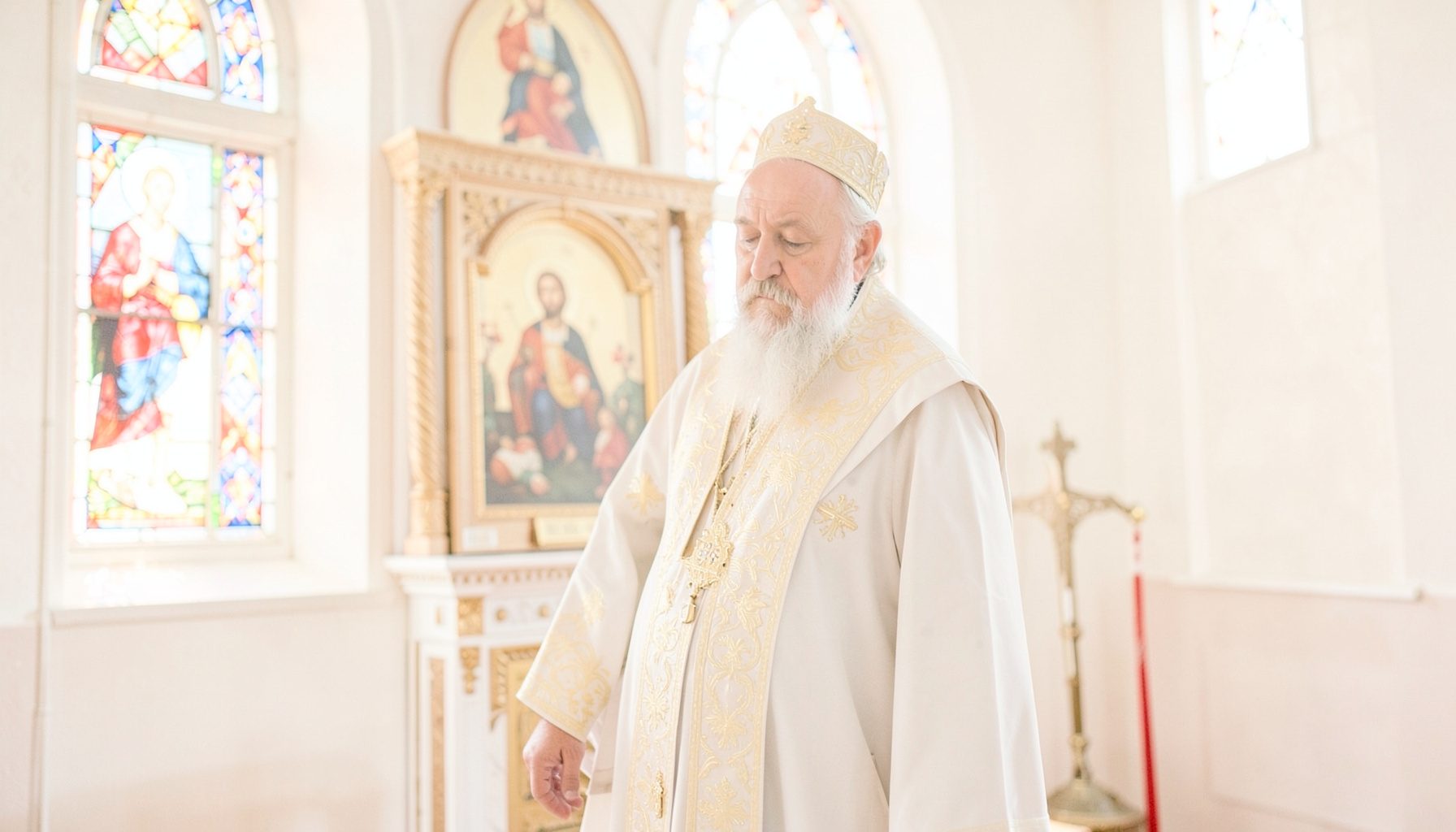
St. Nedela serves the Macedonian Orthodox community in Ajax and the surrounding region with regular worship, pastoral care, and facilities for gatherings.
Sunday Worship
Divine Liturgy every Sunday at 10 a.m. All are welcome to attend and participate in the life of the parish.
Services & Price List
Information on regular services, Easter schedules, and price lists is available through church administration or on the bulletin board in the hallway.
Banquet Hall
A hall accommodating up to 300 people is available for rentals. Contact Risto Trifunovski at 905-426-5355 for inquiries.
Prayers & Resources
Access the Lord's Prayer, the Nicene Creed, and prayers to the Mother of God — foundational texts of the Orthodox faith.
Kids' Corner
Resources and activities for the youngest members of our parish community.
Executive Board
Learn about the parish leadership and the dedicated volunteers who guide our church community.
Office & Contact Info
Parish Priest
For religious or spiritual matters, contact Rev. Blage Dimitrievski at 416-568-4717 or blaged@stnedela.com.
Administration
Contact Secretary Helen Damtsis at 905-426-5355 for administrative inquiries.
Location & Hours
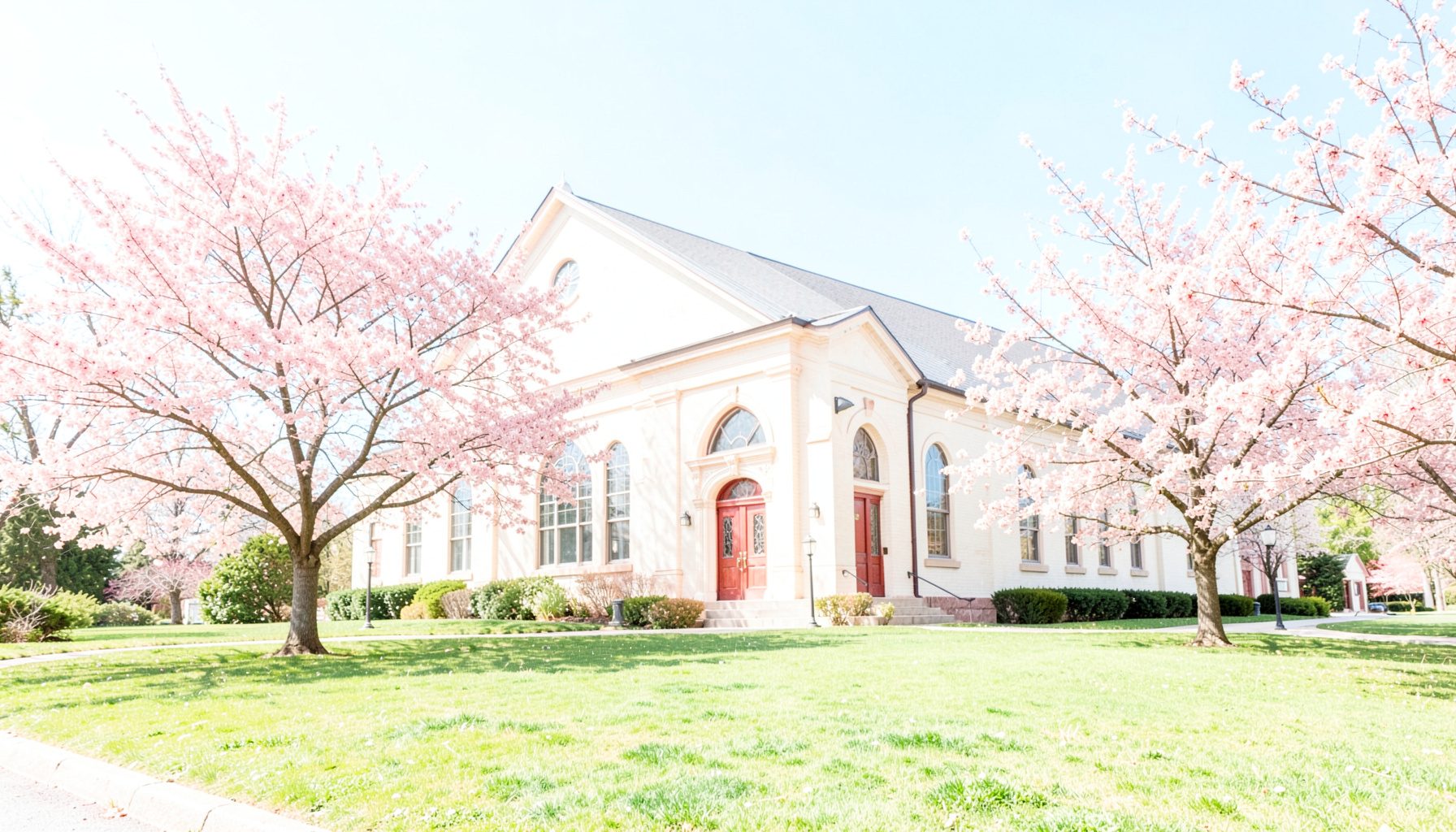
485 Bayly Street West, Ajax, Ontario, L1S 6M7
Open daily except Mondays, 10 a.m. – 4 p.m.
Insights & Articles
How to Settle Monthly Credit Payments During Unemployment
Guidance on handling loan repayments when facing job loss, including optional credit insurance for unemployment coverage.
Repayment of Loan Insurance
An overview of credit insurance for mortgages and loans, and how to opt out of insurance and recover premiums in certain situations.
What the Bible Says About Celebrating Christmas
A biblical exploration of Christmas celebrations, reflecting on scriptural perspectives regarding the holiday.
Gallery
Images from parish life, services, and community events at St. Nedela.