How to Sync Christmas Lights to Music
A music-synchronised Christmas display can turn an ordinary tree, balcony, or front garden into a lively seasonal feature. The lights may fade with a ballad, flash during a drumbeat, or change colour as a chorus begins. The effect looks highly technical, but a modest indoor setup can be created with smart lighting, while larger outdoor displays need dedicated controllers and carefully prepared sequences.
Australian homes offer a few special considerations. Christmas arrives during warm weather, so outdoor lights may be exposed to heat, storms, and sudden summer rain. A Melbourne living room, a Brisbane veranda, and a Sydney townhouse frontage will each need a slightly different approach to placement, power, and sound levels. Planning around these conditions helps the display remain enjoyable rather than becoming a daily chore.
Choose The Right Lighting System
Start by deciding whether the lights should react automatically to nearby sound or follow a programmed musical arrangement. Sound-reactive bulbs and LED strips use a microphone to detect volume and rhythm, then create colour changes without extensive preparation. They are suitable for a tree, mantelpiece, bedroom, or small balcony display where an approximate beat response is enough.
Pre-programmed systems offer greater control. A computer or dedicated lighting controller stores a sequence that tells individual strings, pixels, or floodlights when to switch on, dim, sparkle, or change colour. This method takes longer to set up, but it produces clean effects that match the exact timing of a chosen song.
Check the product specifications before buying. Some smart lights require a particular app or Wi-Fi frequency, while others depend on a proprietary hub. A basic smart plug can turn an entire string on or off, but it usually cannot control separate bulbs or create detailed musical patterns. For decorating inspiration before choosing hardware, browse these festive decorating ideas and consider how much of the display needs individual control.
Prepare The Music And Equipment
Select music that has a clear beat and a manageable length. A two- to four-minute track is easier to program than an extended mix, especially for a first project. Instrumental versions often work well because strong percussion and obvious changes in tempo give the lights clear musical markers. A familiar carol, upbeat pop song, or orchestral arrangement can all work if the rhythm is easy to follow.
Audio-reactive systems generally need a microphone, either built into the light controller or connected through a phone, computer, or small speaker. Position the microphone away from loud fans, air conditioners, and traffic noise. If it is too close to the speaker, bass may overwhelm the other frequencies and cause every light to flash together.
For programmed displays, use compatible software such as xLights or a manufacturer’s sequencing program. Import the song, map each lighting group, and place effects along the waveform. Begin with broad sections—intro, verse, chorus, and ending—before adding individual accents. Saving versions of the sequence is useful because a small timing change can affect the whole performance.
Match Light Effects To The Beat
The most convincing displays use contrast. Keep a soft glow during quieter passages, add movement as the arrangement builds, and reserve rapid flashes for short musical highlights. If every bulb changes colour on every beat, the display can quickly look chaotic and become tiring to watch.
Divide the display into visual zones. A tree might have separate groups for the trunk, inner branches, outer branches, and star. Outdoors, zones could include roofline lights, window frames, shrubs, pathway stakes, and a feature such as a wreath. Assigning each area a role makes it easier to create movement across the scene.
| Musical feature | Suitable light effect | Good place to use it |
|---|---|---|
| Quiet introduction | Slow fade or warm white glow | Tree interior or windows |
| Steady rhythm | Chasing pattern or gentle pulse | Roofline and garland |
| Chorus | Brighter colour change | Main tree or front façade |
| Drum fill | Short sparkle or quick chase | Shrubs, stars, and ornaments |
| Musical pause | Brief blackout or held colour | Whole display |
| Final note | Gradual fade or sustained brightness | Central feature |
Keep brightness comfortable for neighbours and passing traffic. A display viewed from a close living room can be much dimmer than one intended for a front yard. Warm white, red, and green are often easier on the eyes than rapidly alternating saturated colours, particularly when the installation is visible from nearby homes.
Build A Safe Australian Setup
Australian household power runs at 230–240 volts, and outdoor Christmas lighting must be suitable for local conditions. Look for products with Australian approval markings and use outdoor-rated extension leads, connectors, controllers, and enclosures. Indoor fairy lights should never be moved outside simply because the plug reaches the veranda.
Use a safety switch, also known as an RCD, for outdoor circuits. Keep connections raised from wet ground and protect them from rain according to the manufacturer’s instructions. Water-resistant does not mean waterproof, and a sealed-looking connector can still become unsafe if it sits in a puddle or is repeatedly exposed to sprinklers.
Heat deserves attention as well. A north-facing wall in Adelaide or Perth can become extremely hot, while a Queensland summer storm may arrive with little warning. Avoid trapping power supplies under rugs, foliage, or fabric decorations. Inspect cables for cracked insulation, loose pins, and chew marks before each use, then disconnect the system before changing bulbs or moving decorations.
Think about local noise expectations as well. In densely settled suburbs of Sydney, Melbourne, or Canberra, a small speaker at a reasonable volume is usually more considerate than a full outdoor sound system. A QR code or small sign can let visitors listen through headphones, while the display itself remains visible without broadcasting music late into the evening.
Program Smart Lights And Controllers
A simple smart-light arrangement can be assembled with colour-changing bulbs or LED strips, a compatible phone app, and a stable home network. Many apps include scenes that pulse or cycle colours, though these presets may respond to the general volume rather than the precise beat. Place the lights in the same room as the speaker and test the network before attaching them permanently.
For precise outdoor work, addressable pixel lights and a dedicated controller provide more creative options. Each pixel can receive its own colour and timing instruction, allowing effects to travel along a roofline or ripple through a tree. This equipment is more expensive and involves additional cables, power injection, software settings, and weather protection, so it suits decorators who expect to reuse the system for several seasons.
Budget for the complete setup rather than focusing only on the light strings. Include mounting clips, outdoor-rated leads, a weatherproof box, a controller, spare fuses, and replacement connectors. Discount shops can help with low-cost ornaments and non-electrical accessories; these thrifty décor ideas can help stretch the decorating budget without compromising on certified electrical equipment.
When using wireless devices, place the controller where the signal is reliable but protected from weather. A metal enclosure may weaken Wi-Fi or radio reception. Run a short test with the final speaker position and all lights switched on, since network congestion and distance can create delays that were not visible during an indoor trial.
Test, Refine, And Share The Display
Test the sequence in daylight before judging the final appearance. Check that every zone responds, colours look as expected, and cables remain secure when the lights are moving through their effects. Watch the entire song from the usual viewing position, because a pattern that looks attractive close up may appear too fast or too dim from the footpath.
Timing adjustments often make the biggest difference. A light effect that starts half a second before a snare hit can look disconnected, while an effect that lags slightly may feel deliberate during a softer passage. Use the software timeline or audio waveform to make small changes rather than rebuilding the sequence from scratch.
Schedule the display with a timer or automation routine. Many households run music-linked lights for a short evening window, such as between dinner and bedtime, instead of leaving them active all night. This reduces energy use and is considerate in neighbourhoods where bedrooms face the street. It also gives the equipment time to cool down during hot Australian nights.
If the display attracts visitors, keep walkways clear and avoid placing cables where guests may trip. For online research about connected devices, separate ordinary product information from unrelated Australian app reviews, and check privacy permissions before installing any controller application. A light show should be entertaining, but the phone, network, and household electrical system still deserve careful attention.
Create A Memorable Seasonal Show
A coordinated display does not need hundreds of metres of lights. A tree with three zones, a glowing window outline, and a small star can create enough movement when the timing is thoughtful. Use the architecture and existing decorations as part of the composition, allowing the music to guide the viewer from one feature to another.
Mix static and animated elements to give the eye a resting place. A steady warm-white garland can frame a tree whose branches shift between red and green. In an outdoor garden, fixed pathway lights can balance a moving roofline chase. This approach creates depth and keeps the most active effects reserved for important parts of the song.
Consider colour temperature when combining real and artificial trees. Cool white may complement silver ornaments and icy blue pixels, while warm white works naturally with timber, gold decorations, and traditional red baubles. Australian daylight is strong, so test the arrangement after sunset rather than relying on how it appears in the afternoon.
Keep a record of the wiring layout, controller settings, song files, and successful effects. Label each cable before packing the display away, and store electronics in a dry container. The next festive season will then begin with a tested system rather than a tangle of unidentified leads and forgotten settings.
Our Parish & Services
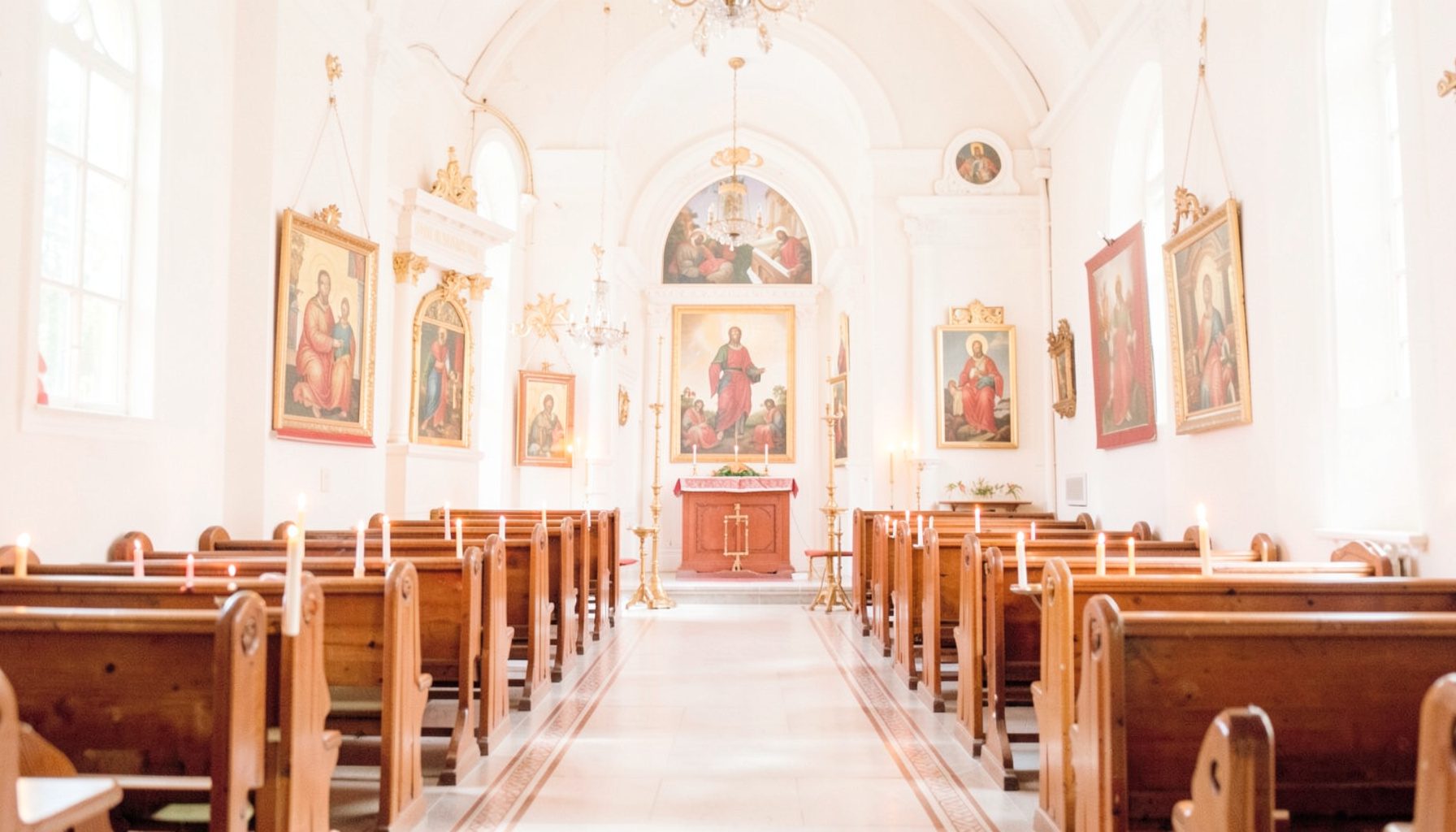
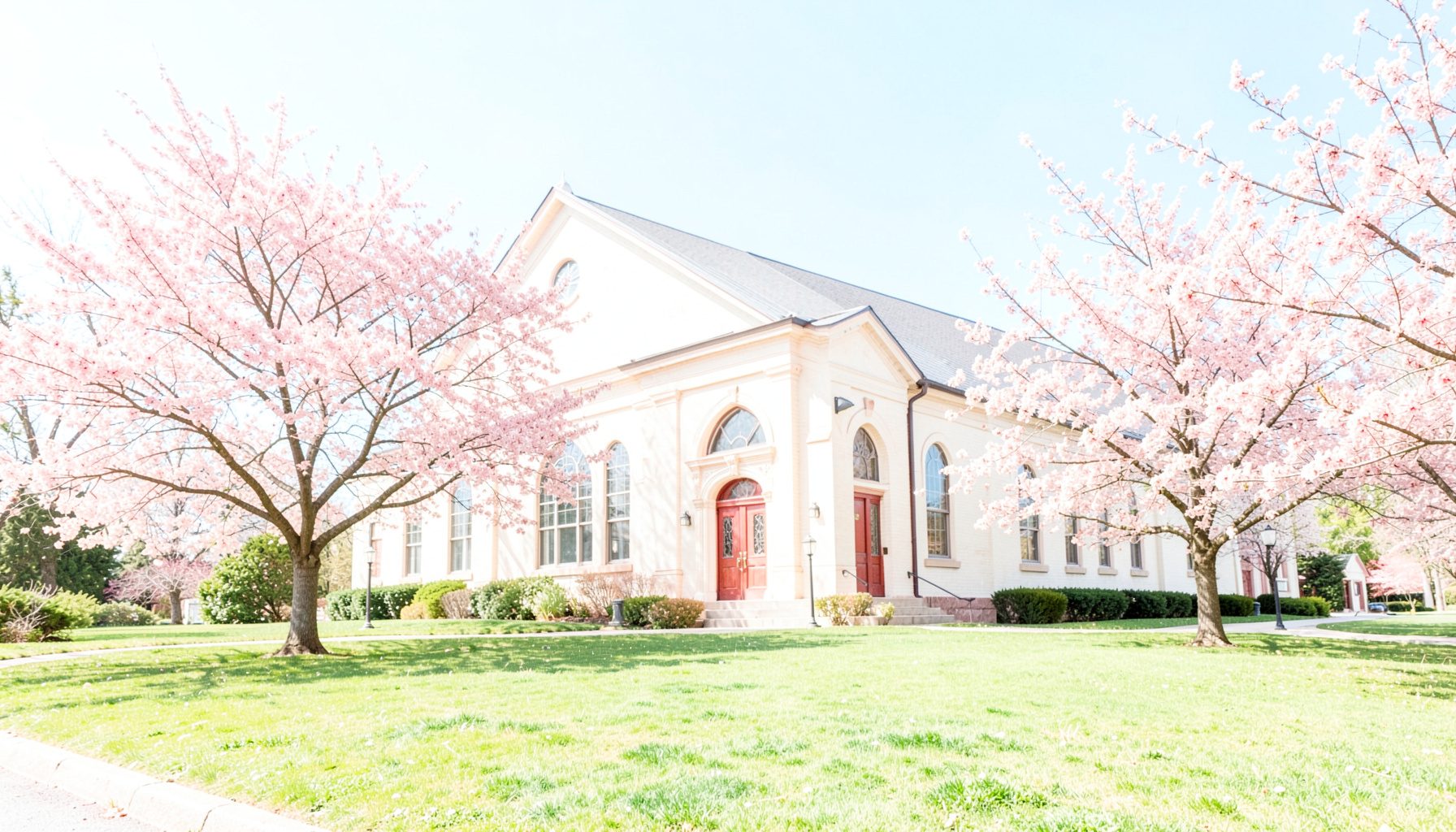
St. Nedela serves the Macedonian Orthodox community in Ajax and the surrounding region with regular worship, pastoral care, and facilities for gatherings.
Sunday Worship
Divine Liturgy every Sunday at 10 a.m. All are welcome to attend and participate in the life of the parish.
Services & Price List
Information on regular services, Easter schedules, and price lists is available through church administration or on the bulletin board in the hallway.
Banquet Hall
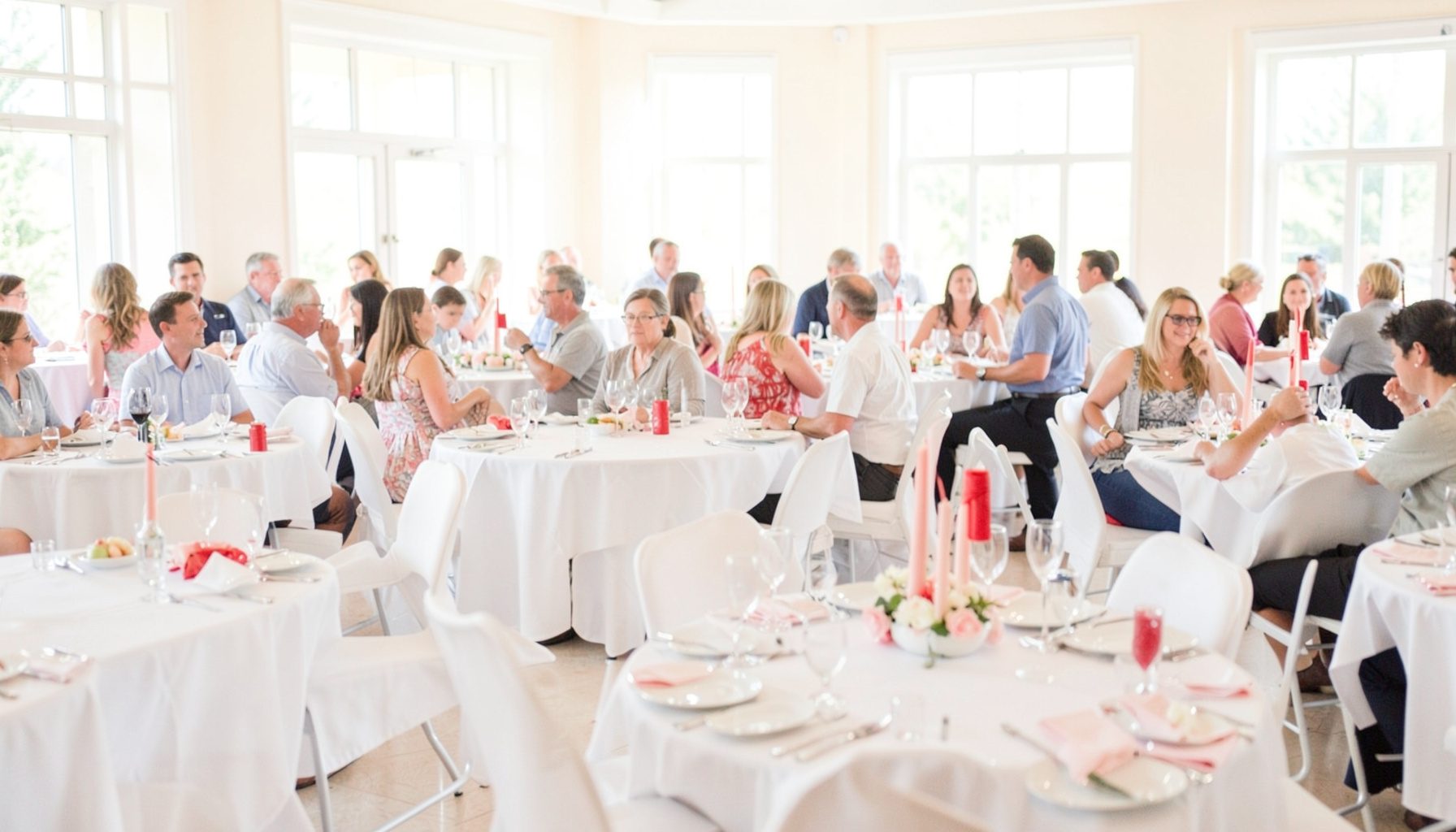
A hall accommodating up to 300 people is available for rentals. Contact Risto Trifunovski at 905-426-5355 for inquiries.
Prayers & Resources
Access the Lord's Prayer, the Nicene Creed, and prayers to the Mother of God — foundational texts of the Orthodox faith.
Kids' Corner
Resources and activities for the youngest members of our parish community.
Executive Board
Learn about the parish leadership and the dedicated volunteers who guide our church community.
Office & Contact Info
Parish Priest
For religious or spiritual matters, contact Rev. Blage Dimitrievski at 416-568-4717 or blaged@stnedela.com.
Administration
Contact Secretary Helen Damtsis at 905-426-5355 for administrative inquiries.
Location & Hours
485 Bayly Street West, Ajax, Ontario, L1S 6M7
Open daily except Mondays, 10 a.m. – 4 p.m.
Insights & Articles
How to Settle Monthly Credit Payments During Unemployment
Guidance on handling loan repayments when facing job loss, including optional credit insurance for unemployment coverage.
Repayment of Loan Insurance
An overview of credit insurance for mortgages and loans, and how to opt out of insurance and recover premiums in certain situations.
What the Bible Says About Celebrating Christmas
A biblical exploration of Christmas celebrations, reflecting on scriptural perspectives regarding the holiday.
Gallery
Images from parish life, services, and community events at St. Nedela.