Natural alternatives to artificial snow on your Christmas tree
A dusting of white can make a Christmas tree feel enchanting, but commercial artificial snow is not the only way to create a wintry finish. Many products are made from plastic fibres, synthetic foam or chemical coatings that can shed onto the floor, cling to branches and become difficult to remove after the festive season.
Natural materials can give your tree a softer, more distinctive appearance while suiting an Australian Christmas. Instead of copying a northern winter scene exactly, you can combine pale foliage, handmade decorations and gentle lighting to suggest frost, mist or snowy branches without bringing artificial snow indoors.
The best choice depends on your tree type, household and decorating style. A fresh-cut pine may already have a beautiful texture, while an artificial tree can benefit from lightweight accents that add colour and dimension. Homes with pets, toddlers or warm indoor temperatures also need materials that are clean, stable and unlikely to crumble.
A natural snowy effect works particularly well with Australian details. Eucalyptus leaves, dried banksia, white gum blossoms and locally grown flowers can create a pale, textural display that feels festive without looking out of place during a hot December in Brisbane, Perth, Adelaide or Melbourne.
White paper and fabric accents
Shredded white paper is one of the simplest substitutes for artificial snow. Choose acid-free tissue paper, recycled paper or narrow strips of plain kraft paper painted white with a water-based craft paint. Loosely tuck small amounts between the branches rather than covering the entire tree. This creates the impression of snow collecting in sheltered spots while allowing the green needles and ornaments to remain visible.
Paper is especially useful on an artificial tree because it is light and easy to remove. Avoid placing it near hot incandescent bulbs, candles or an outdoor display where wind could scatter it. LED lights run cooler and are a safer pairing, particularly in Australian homes where December temperatures can make a decorated room quite warm.
White cotton, muslin and old linen can provide a more flowing, cloud-like finish. Cut fabric into narrow, irregular strips and drape them sparingly over sturdy branches. Unbleached linen can look beautiful with timber ornaments, dried orange slices and brass bells, while pure white cotton suits a simple silver-and-green palette. Keep the fabric away from power cords and avoid long pieces that children or pets could pull from the tree.
For a craft-led display, small crocheted snowflakes or felt circles can replace loose fibres altogether. These decorations are reusable, washable and less likely to shed. A few handmade pieces distributed around the tree often look more convincing than a thick layer of white material.
Salt, flour and kitchen cupboard ideas
Coarse salt can imitate sparkling frost when used in tiny quantities on removable branches or decorative wreaths. Sprinkle it over a tray of greenery rather than directly over an expensive tree, then secure selected areas with a light mist of non-toxic craft adhesive. The crystals catch the light attractively, especially under warm-white LEDs.
Salt is unsuitable for homes with cats or dogs that may lick the branches, and it can corrode metal hooks, tree stands and electrical contacts if it becomes damp. It should also be kept away from fresh foliage, as salt draws moisture from leaves and can cause browning. A contained tabletop tree or a small decorative arrangement is a safer place to experiment.
Plain flour and bicarbonate of soda are sometimes used as homemade snow, but both require care. Flour can attract insects and become paste-like in humid weather, while bicarbonate of soda may settle into carpet and upholstery. Neither should be applied heavily to a real tree, where moisture and natural sap can create clumps.
If you like the look of powdered snow, use a very small amount on pinecones, wooden stars or ceramic ornaments instead of the tree itself. This gives you the same pale highlight without coating needles or creating a fine household dust.
Natural foliage for an Australian winter effect
Pale Australian foliage can suggest frost while making the decoration feel connected to its setting. Silver dollar eucalyptus, dusty miller, white gum leaves, dried casuarina and pale seed heads all bring muted tones to a tree. Their blue-grey, cream and soft green colours work well with natural wood, champagne ribbon and clear glass ornaments.
Only use foliage that is completely dry and free from insects. Fresh eucalyptus can release oils, shed leaves or wilt near warm lights, while damp greenery may encourage mould. Gather responsibly from your own garden or buy preserved stems from a florist or craft supplier. Do not collect protected native plants from bushland or national parks.
Dried banksia, bottlebrush and strawflower add an Australian character to a pale Christmas scheme. Creamy banksia cones can act as large focal ornaments, while bleached grasses create the look of light snowdrifts between branches. In Sydney and coastal Queensland, where humidity can be high, allow all plant material to dry thoroughly before bringing it indoors.
Flowers and garden foliage can carry unwanted fungal problems into the home, so inspect them carefully. If you grow roses, keeping garden care separate from decorating is wise; this guide to organic rose care is useful when planning a low-chemical garden routine. Never spray garden treatments onto a Christmas tree or ornaments.
Pinecones, wood and mineral sparkle
Pinecones are a reliable way to bring a snowy woodland feeling to an artificial or real tree. Brush the tips with white acrylic paint, clay paint or a small amount of eco-friendly craft medium, leaving the centres natural. The contrast looks more realistic than coating the whole cone and gives each piece a frosted edge.
For extra shimmer, add mica powder or biodegradable plant-based glitter while the paint is still tacky. Check the packaging carefully, because some products marketed as eco glitter still contain plastic. Fine salt, crushed eggshell or pale sand can also provide texture, although these materials should be sealed securely to prevent grit falling onto floors.
Untreated wood slices, birch-style branches and pale rattan ornaments bring warmth to a white-and-green tree. They are less likely to shed than loose snow substitutes and can be stored for many years. A few white-painted twigs arranged vertically through the branches can create the impression of snowy limbs without adding much weight.
Keep all cones and branches away from candles, fireplaces and high-temperature lights. Australian summer conditions make fire safety especially important, particularly in bushfire-prone areas outside Canberra, Melbourne and Adelaide. Choose low-heat LEDs, keep the tree clear of heaters and never use natural dry materials in a position where sparks could reach them.
Coconut, wool and biodegradable textures
Finely shredded coconut can resemble fresh snow on a small decorative tree, a village scene or a festive table arrangement. It should not be placed on a full-size tree in a home with pets, as dogs may be attracted to it and food particles can become stale. It is also unsuitable for humid rooms or long-term displays.
A better edible-free alternative is white wool roving. Pull it into loose, uneven pieces and place small tufts along horizontal branches. Wool has a soft, snowy appearance, does not create sharp edges and can be reused for craft projects. Choose undyed wool for a natural cream colour or use plant-dyed fibres in pale grey and icy blue.
Felt is another practical choice. Cut it into uneven strips, circles or small cloud shapes and attach it with discreet clips rather than permanent glue. Wool felt works particularly well on nursery trees because it is quiet, lightweight and less likely to splinter than painted twigs.
A handmade wreath can provide matching decorations for doors, mantels and smaller trees. This fresh greenery wreath tutorial can inspire a coordinated display using foliage, pinecones and natural textures. Repeating the same materials around the home makes the tree feel part of a considered decorating scheme.
Making the look last safely
Begin with a clean, dry tree and place lights before adding natural materials. This prevents you from disturbing the pale accents later and makes it easier to inspect every cable. On a real tree, maintain the water level in the stand and remove any branch that becomes brittle or sheds heavily. Natural snow alternatives should never be used to disguise a drying tree.
Use clips, florist wire or removable ties to secure decorations. Avoid loose powder in the upper branches, where it can fall into eyes, vents or electrical connections. If you have pets, position wool, cotton and foliage higher on the tree, and avoid salt, food-based materials and small pinecone fragments altogether.
A restrained palette often looks more realistic than a heavily coated tree. Combine soft white with eucalyptus green, natural timber, clear glass and one metallic shade. In a Melbourne apartment, this might mean wool tufts and silver-dollar eucalyptus; in a Queensland home, a lighter arrangement of pale foliage and linen may feel more comfortable than dense fabric.
Budgeting for decorations can also be part of a safer, lower-waste approach. Buy a few durable materials instead of replacing disposable snow each year, and read payment conditions carefully if a purchase involves instalments or borrowing; information about loan insurance terms may be relevant when reviewing the total cost. Reusable decorations, locally sourced greenery and careful storage can keep the display beautiful for many Christmases.
Our Parish & Services
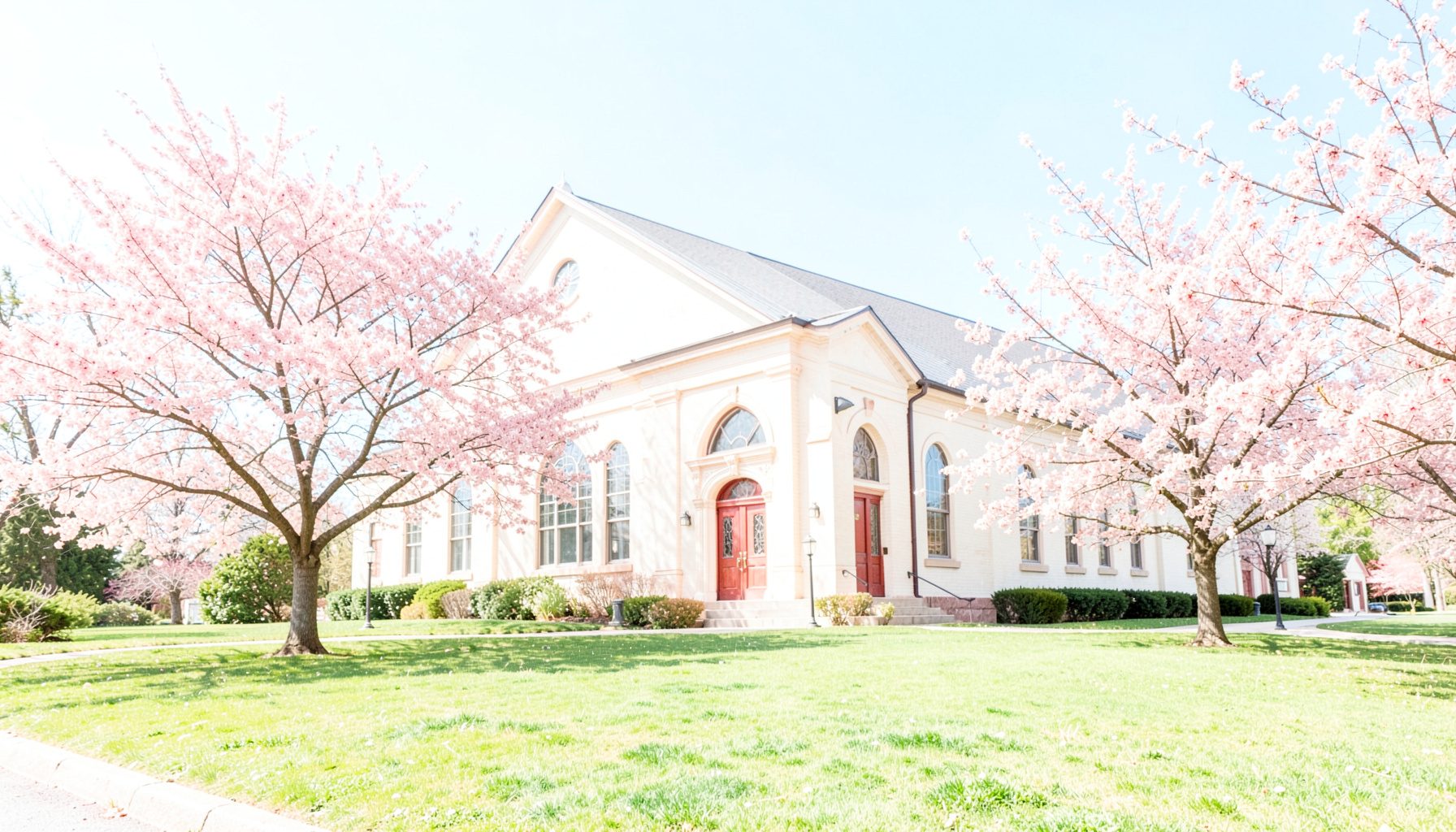
St. Nedela serves the Macedonian Orthodox community in Ajax and the surrounding region with regular worship, pastoral care, and facilities for gatherings.
Sunday Worship
Divine Liturgy every Sunday at 10 a.m. All are welcome to attend and participate in the life of the parish.
Services & Price List
Information on regular services, Easter schedules, and price lists is available through church administration or on the bulletin board in the hallway.
Banquet Hall
A hall accommodating up to 300 people is available for rentals. Contact Risto Trifunovski at 905-426-5355 for inquiries.
Prayers & Resources
Access the Lord's Prayer, the Nicene Creed, and prayers to the Mother of God — foundational texts of the Orthodox faith.
Kids' Corner
Resources and activities for the youngest members of our parish community.
Executive Board
Learn about the parish leadership and the dedicated volunteers who guide our church community.
Office & Contact Info
Parish Priest
For religious or spiritual matters, contact Rev. Blage Dimitrievski at 416-568-4717 or blaged@stnedela.com.
Administration
Contact Secretary Helen Damtsis at 905-426-5355 for administrative inquiries.
Location & Hours
485 Bayly Street West, Ajax, Ontario, L1S 6M7
Open daily except Mondays, 10 a.m. – 4 p.m.
Insights & Articles
How to Settle Monthly Credit Payments During Unemployment
Guidance on handling loan repayments when facing job loss, including optional credit insurance for unemployment coverage.
Repayment of Loan Insurance
An overview of credit insurance for mortgages and loans, and how to opt out of insurance and recover premiums in certain situations.
What the Bible Says About Celebrating Christmas
A biblical exploration of Christmas celebrations, reflecting on scriptural perspectives regarding the holiday.
Gallery
Images from parish life, services, and community events at St. Nedela.