Outdoor Light Displays That Don’t Overwhelm Your Neighbors
Outdoor Christmas lighting can turn a modest front garden into a cheerful landmark, but brightness alone does not create a good display. The aim is to guide the eye, make the entrance welcoming and give the street a shared point of interest without turning every house into a competition. Scale, spacing and timing matter more than the number of bulbs, especially when the display is viewed from the footpath rather than from the front door.
Across Australia, Christmas falls in summer, so outdoor lighting has to work in heat, humidity and occasional storms while the family is still using driveways, verandahs and outdoor spaces. The most successful outdoor displays begin with restraint: a clear focal point, a limited palette and enough darkness left around the lights to appreciate them. They also respect the character of the property, whether it is a detached suburban home, a compact townhouse yard, a city apartment balcony or a rural farmhouse.
Start With Scale, Distance, and Neighbour Etiquette
Measure the area before buying anything. Mark the front boundary, the line of the path, the driveway and the closest point from which most people will see the display. A two-metre line on a wide suburban block can look tiny from the street, while a dense curtain of lights can dominate a narrow verandah in a townhouse. A simple plan on graph paper or a phone photo taken at dusk will reveal the right scale without buying the wrong quantity of cable.
Scale also depends on local habits. Australian suburban homes often have open front lawns but only a short path from kerb to porch, while apartment dwellers may have a balcony railing or covered parking instead of a garden. Keeping the approach clear for the postie, the bin and arriving guests is basic Aussie etiquette. If lights, a projector or a temporary structure might affect a shared driveway, landing or common area, a quick message to neighbours or the strata committee can prevent a display from becoming a dispute.
Think in lighting zones rather than covering the whole elevation. The principle behind multi-use room lighting applies neatly to an entrance that also functions as a route to the front door: brighter light where people need direction, softer light where they need only atmosphere. A modest downlight at the steps, a dim outline at the porch and a clear house number can look more considered than a roofline blazing from one end to the other. Hardwired work belongs with a licensed electrician.
Build A Balanced Lighting Scheme
Layer the scheme in three simple ways. Use a small number of lights to define the shape of the doorway, porch or handrail; add a second layer to guide people along the path; and reserve the brightest accent for one feature such as a wreath, planter or small tree. Coordinate that palette with the ornaments and lights on the indoor Christmas tree so the property reads as one design. Warm white, soft gold and one seasonal colour usually create more coherence than every available shade competing at once.
Brightness and spacing need equal attention. Replace vague claims of “super bright” with a lumen comparison and check how the lights look at actual viewing distance. Warm tones around 2200–2700K are gentle in a residential setting, while evenly spaced points of light give a cleaner outline than a solid glowing tube. Leave breathing room between strands, especially around textured walls, and aim the light at surfaces rather than into the street, where it can shine straight into nearby windows.
Build a small mock-up before ordering programmable lights. Test the sequence, switch points and colour balance on a table or in the front room, then record a short phone clip at dusk. Looking at project inspiration at Digijam can reinforce the habit of developing a visual concept before spending on equipment; a saved image or video also makes it easier to spot a cable that is too long or an effect that attracts too much attention. One convincing feature is usually stronger than several half-tuned effects.
Choose Products for Australian Conditions
Outdoor-rated lights need more than a weather-resistant label. Look for a suitable ingress protection rating, UV resistance and an operating range that suits the site, then check whether cable joins and the transformer are rated for outdoor use as well. Australian summer sun can make weak plastic brittle, coastal salt near Sydney, Perth or Adelaide can corrode metal fittings, and a northern Queensland yard may face intense heat, heavy rain and wind. A string that works for one climate can fail in another, so retain the packaging and specification sheet for future replacement parts.
The electrical setup also needs to suit an Australian home and its public space. Mains lighting sold locally is normally designed for 230 volts, and controllers, extension leads and low-voltage adapters should be compatible and used exactly as their instructions specify. Keep connections dry, use an RCD-protected outlet where required, and keep leads away from doors, irrigation and garden traffic. Do not run a cable across a public footpath without permission, and ask a licensed electrician about fixed wiring rather than adapting an indoor lighting set.
Compare sellers on support rather than on dramatic product language. Australian consumers can choose from electrical wholesalers, chain stores, online marketplaces and specialist lighting retailers, each with different return arrangements and local stock. Read the fine print with the same evidence-first care you would apply to an OSKO bank transfer review: confirm the actual manufacturer, warranty period, Australian support and replacement parts. Promises such as “commercial grade” or “fully waterproof” mean little without a rating and a testable specification.
Time the Display for Comfort, Not Competition
Christmas lighting in Australia coincides with long summer evenings. Sydney and Melbourne may not become fully dark until around eight or nine at night in December, while Brisbane darkens earlier and northern locations have their own wet-season patterns. Shopping precincts often switch on their displays in late November and keep them illuminated through January, so the street may already have plenty of visual competition. A dusk sensor or controlled smart schedule prevents a display from blazing at midday and lets the home switch off automatically at a civil hour.
Choose calm movement over constant urgency. A slow fade, a gentle chase or a steady twinkle can attract attention, while rapid flashing, high-frequency strobing and continuous sound can exhaust neighbours quickly. Houses often include children, older residents, shift workers and pets, and some people are sensitive to strong flicker. Dimming the display after the first few evenings also reduces glare for drivers and makes the strongest colours easier to enjoy. A timer is useful here, while a manually controlled switch lets you respond to family routines.
Temporary fixings deserve as much testing as the lights themselves. Heat and residual paint can defeat adhesive tabs that seem secure in a cool shop. By the same logic as a sticky versus non-sticky comparison, test each mounting method on one surface and leave it there through a hot day before relying on it. Removable hooks, proper cable clips and weighted bases are often kinder to brickwork than repeated drilling. Check local council rules for projections, raised displays and anything extending toward a footpath, and coordinate with apartment or strata rules before installation.
Add Detail Without Turning Up the Volume
Details should reinforce the chosen focal point rather than create a second and third centre of attention. A weather-resistant wreath on the door, a few oversized baubles in a sheltered porch and a ribbon around the handrail can carry the same colours as the tree indoors. Keep the tree stand and any visible extension leads out of the main sightline, and remember that ornaments or decorative pieces left outdoors need suitable fixing in wind. A dark background can make a modest amount of light look richer, so tidy the area behind the display instead of adding another strand.
Creative lighting can work with the landscape rather than overwhelm it. Illuminate one shrub with a warm point, outline a potted conifer or place a solar lantern along the edge of the path. In Australia, solar lights need a panel positioned where it receives good daylight and a battery that has been tested through several cloudy days. Choose a scheme that reflects the neighbourhood’s diversity without assuming one tradition represents everyone; restrained white, blue or gold accents can feel broadly welcoming while the indoor tree carries a more personal design.
Finish with a full test from the street. View the display with the house lights on and off, walk the approach from both directions and check it after dusk from the opposite kerb. Look for glare, dead sections, loose cables and colours that overwhelm a nearby window. The strongest result is a display guests notice before they reach the gate, then discover in layers: a clear outline, a welcoming path and a bright final detail that signals hospitality without demanding attention.
Our Parish & Services
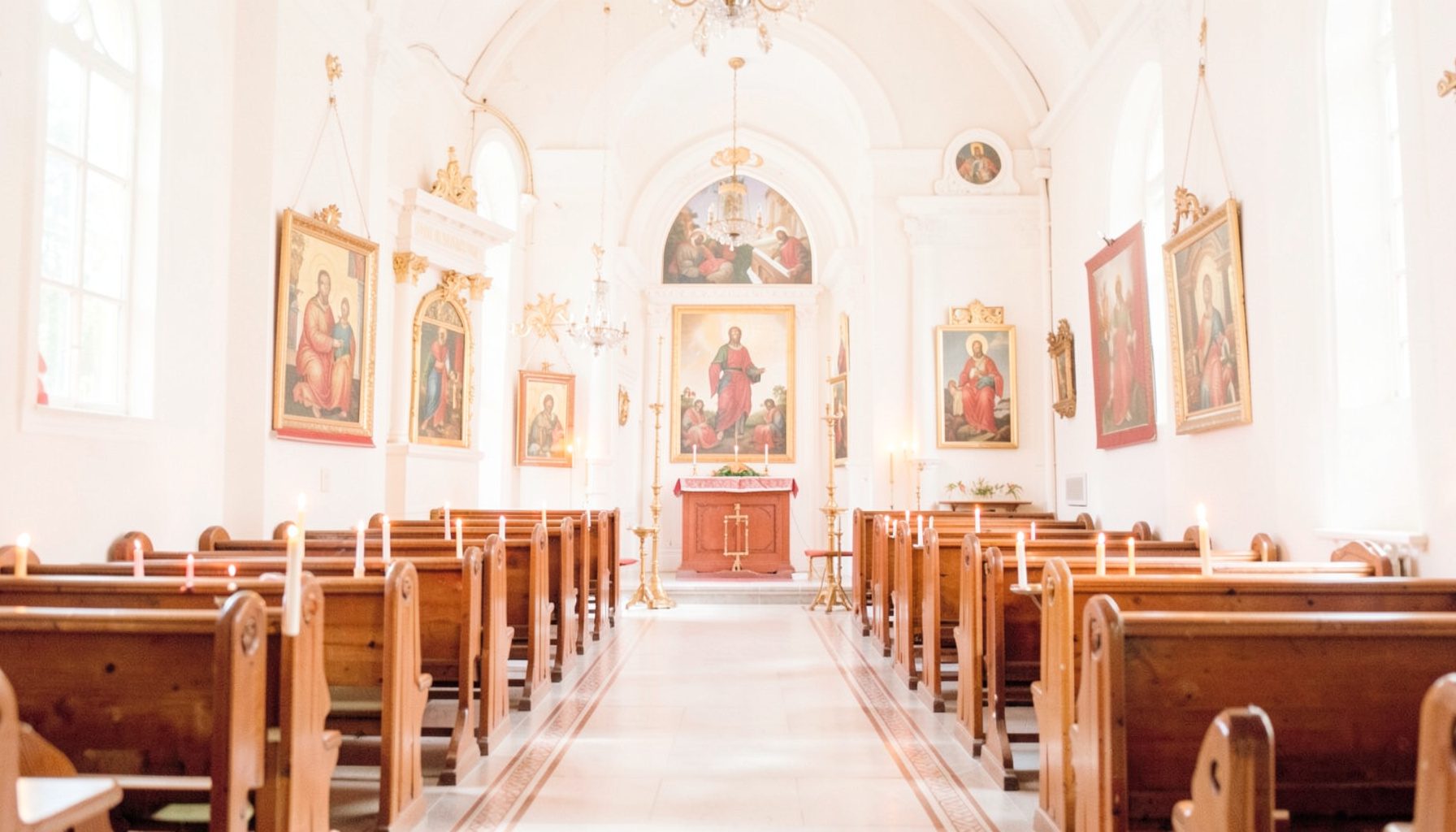
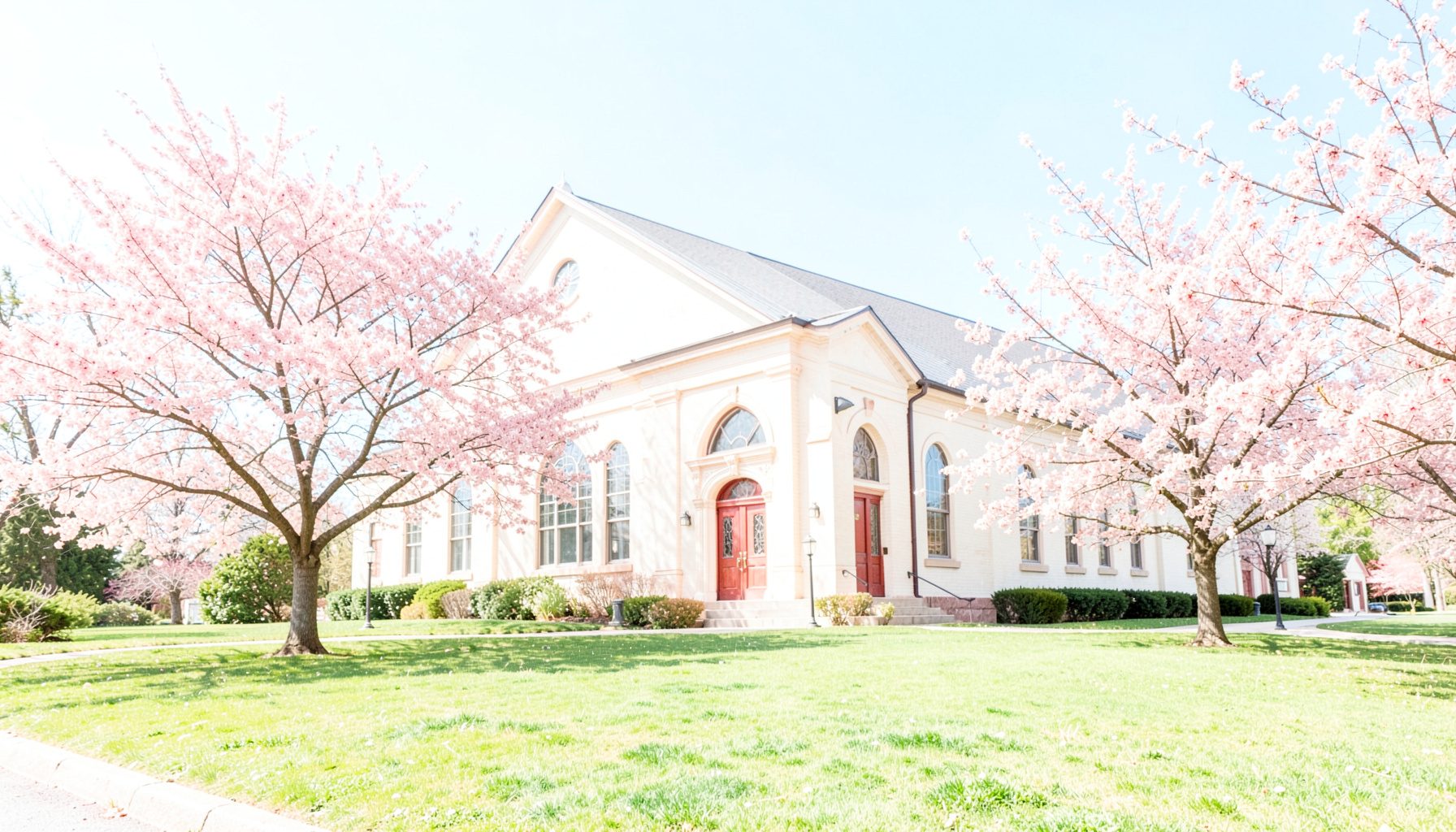
St. Nedela serves the Macedonian Orthodox community in Ajax and the surrounding region with regular worship, pastoral care, and facilities for gatherings.
Sunday Worship
Divine Liturgy every Sunday at 10 a.m. All are welcome to attend and participate in the life of the parish.
Services & Price List
Information on regular services, Easter schedules, and price lists is available through church administration or on the bulletin board in the hallway.
Banquet Hall
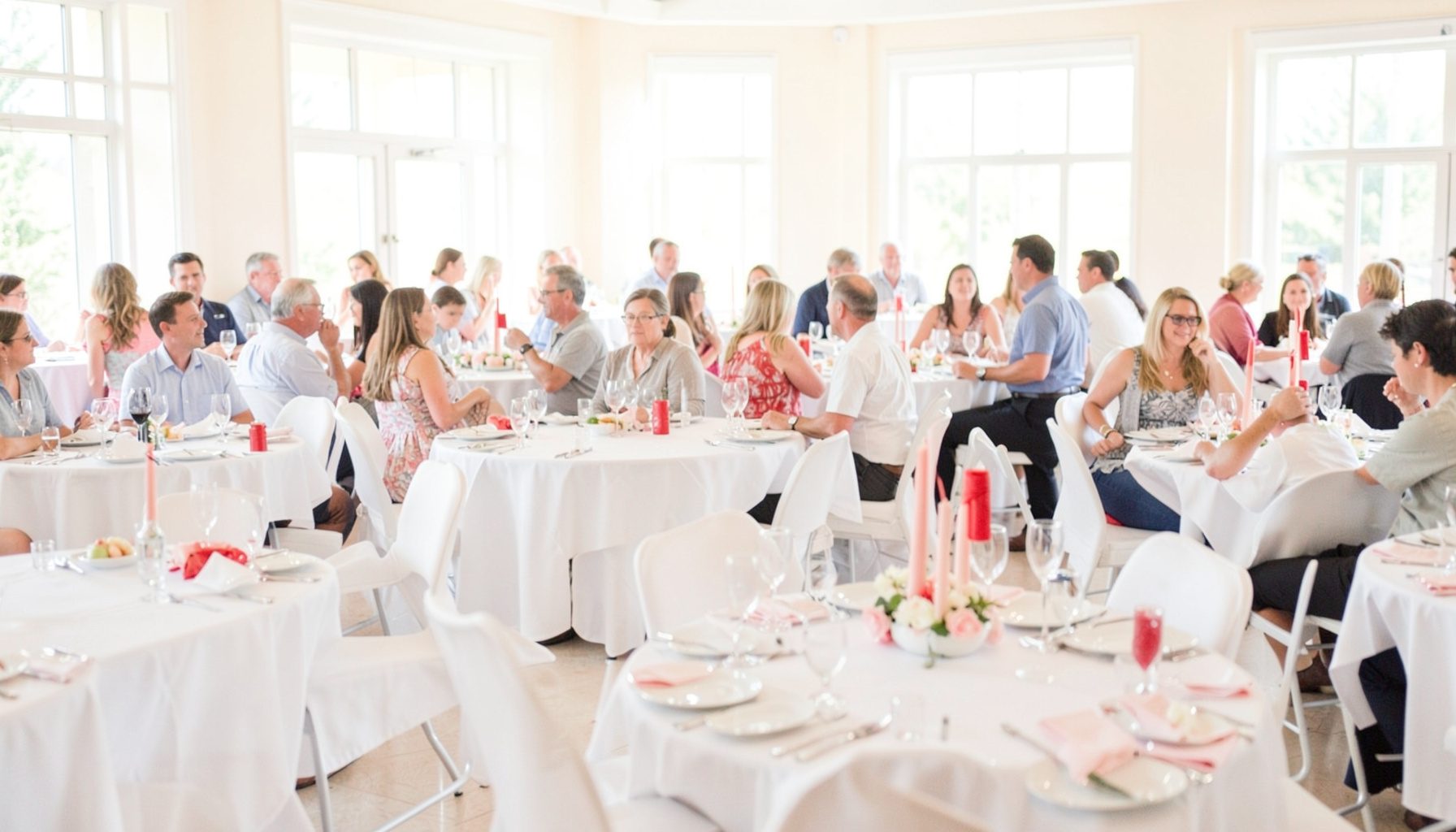
A hall accommodating up to 300 people is available for rentals. Contact Risto Trifunovski at 905-426-5355 for inquiries.
Prayers & Resources
Access the Lord's Prayer, the Nicene Creed, and prayers to the Mother of God — foundational texts of the Orthodox faith.
Kids' Corner
Resources and activities for the youngest members of our parish community.
Executive Board
Learn about the parish leadership and the dedicated volunteers who guide our church community.
Office & Contact Info
Parish Priest
For religious or spiritual matters, contact Rev. Blage Dimitrievski at 416-568-4717 or blaged@stnedela.com.
Administration
Contact Secretary Helen Damtsis at 905-426-5355 for administrative inquiries.
Location & Hours
485 Bayly Street West, Ajax, Ontario, L1S 6M7
Open daily except Mondays, 10 a.m. – 4 p.m.
Insights & Articles
How to Settle Monthly Credit Payments During Unemployment
Guidance on handling loan repayments when facing job loss, including optional credit insurance for unemployment coverage.
Repayment of Loan Insurance
An overview of credit insurance for mortgages and loans, and how to opt out of insurance and recover premiums in certain situations.
What the Bible Says About Celebrating Christmas
A biblical exploration of Christmas celebrations, reflecting on scriptural perspectives regarding the holiday.
Gallery
Images from parish life, services, and community events at St. Nedela.