Real and artificial Christmas trees for every Australian home
Choosing a Christmas tree is less about finding a universally perfect option and more about matching your household, space, budget and decorating habits. A fresh pine can bring a vivid seasonal scent and a traditional appearance, while an artificial tree offers predictable shape, easy storage and years of repeat use. The right decision can also change as a family moves from a compact flat in Sydney to a larger home in Adelaide or Brisbane.
Australia’s summer Christmas season adds a different set of practical concerns. Heat, air conditioning, pets, balconies, outdoor entertaining and bushfire awareness all influence how a tree should be selected and positioned. Looking at cost, environmental impact, safety, convenience and appearance makes it easier to choose between a real Christmas tree and a reusable artificial model.
The appeal of a real tree
A real Christmas tree provides texture, fragrance and natural variation that manufactured branches rarely reproduce perfectly. Even a modestly sized tree can make a living room feel special, with soft green foliage, uneven branch spacing and a fresh forest scent. For households that enjoy visiting a Christmas tree farm or local market, choosing the tree can become part of the festive tradition.
Real trees are also biodegradable at the end of their useful life. Many councils accept them through seasonal green-waste collections, while some community groups arrange drop-off points for mulching. The details vary between councils, so residents should check local collection dates rather than leaving a tree beside the bin without approval.
Fresh trees suit people who like changing their Christmas style each year. A narrow pine may work in a small Melbourne terrace, while a fuller tree can anchor an open-plan family room in Perth. Their natural shape also works well with simple decorations, timber ornaments, warm-white lights and handmade garlands.
Where real trees require extra work
Watering is the central maintenance task. Once cut, a tree needs a stable stand with a reservoir, and the water level should be checked frequently, particularly during hot weather. A tree placed near a sunny window, heater, fireplace or strong air-conditioning outlet can dry out quickly. Fallen needles also require regular sweeping, especially in homes with toddlers or crawling pets.
The Australian climate can make timing important. A tree purchased too early may look tired before Christmas Day, especially during a hot spell in inland areas or northern cities. Buying from a reputable grower, asking when the tree was harvested and selecting a healthy specimen with flexible needles can improve its lifespan. The trunk should fit securely into the stand without excessive trimming.
Real trees may also be unsuitable for people with allergies or for homes where sap, needles and insects are a concern. They can be harder to manoeuvre through lifts and narrow hallways, and their weight increases once the stand is filled. A protective mat beneath the stand helps with spills and protects timber or laminate flooring.
Why artificial trees remain popular
An artificial Christmas tree offers convenience from the first day it comes out of storage. It does not need watering, does not shed needles across the floor and can be assembled at a time that suits the household. This is useful for busy families in Canberra or Sydney who want to decorate early and keep the display in place through New Year celebrations.
Modern artificial trees are available in many shapes, from slim pencil styles for apartments to wide, heavily branched designs for large rooms. Pre-lit versions can reduce decorating time, although built-in lights should be checked carefully before purchase. Unlit trees provide greater flexibility because damaged lights can be replaced without making the whole tree unusable.
Artificial foliage is particularly practical for homes with pets that may knock over a fresh tree or chew fallen needles. It also works well for households that travel during December. When packed correctly in a durable storage bag or box, a quality tree can provide a consistent backdrop for ornaments over many seasons.
The financial calculation over time
The initial price of a real tree is usually lower, but it is paid every Christmas. The total cost includes the stand, transport, water, replacement decorations and possible disposal charges. Prices can rise in popular local markets when demand is high, and large or unusual varieties may cost considerably more than a standard small tree.
An artificial tree demands a larger upfront payment, particularly if it has realistic branch tips, a metal frame or integrated lighting. Its value improves when it is used for many years and stored safely. A cheap model that bends, sheds plastic needles or becomes difficult to assemble may have a shorter useful life than a more durable mid-range tree.
Seasonal spending should fit comfortably alongside rent, utilities, gifts and travel. Households managing irregular income may find it useful to review their wider holiday budget before committing to a large tree or a new set of decorations. Reusing existing baubles and adding a few new pieces each year can keep the display attractive without turning it into a major annual expense.
Environmental considerations beyond the label
A real tree is a renewable product when it comes from a responsible grower and is disposed of properly. It can return to the soil through chipping or composting rather than remaining in landfill. Transport still matters, however, so a locally grown tree may have a lower travel impact than one brought long distances.
An artificial tree generally contains plastics, synthetic fibres and metal, which means it cannot be treated like green waste. Its environmental performance depends heavily on how long it remains in use. Keeping one artificial tree for a decade or longer is usually more resource-efficient than replacing a low-quality tree every few seasons.
Reuse is the most practical environmental strategy for either choice. A real tree can sometimes be repurposed as garden mulch or cut into short branches for outdoor habitat, provided local guidance allows it. An artificial tree should be kept dry, protected from sunlight and stored without crushing the branches so it does not need early replacement.
Safety in Australian homes
Christmas trees should be kept away from candles, fireplaces, stovetops and heat-producing appliances. This is especially important in regions affected by hot, dry summers and bushfire risk. Outdoor displays should be secured against wind, and cords should be positioned so they cannot become trip hazards on verandas, paths or entertaining areas.
Electrical decorations sold in Australia should carry the required Regulatory Compliance Mark, commonly shown as the RCM symbol. Buyers should use lights designed for their intended location, keep indoor products out of rain and inspect cords for cuts or exposed wires. Power boards must not be overloaded, and lights should be switched off when nobody is home or when the household goes to bed.
A real tree needs a sturdy stand with a broad base, while an artificial tree should be locked into its sections before ornaments are added. Heavy decorations belong on lower branches, and fragile baubles are best placed higher up when young children or energetic pets share the room. In strata apartments, residents should also follow building rules for balcony displays, shared corridors and electrical connections.
Matching the tree to the room and lifestyle
Small homes benefit from proportionate design rather than a crowded floor plan. A half tree, tabletop tree or slim artificial model can create a festive focal point without blocking a hallway. In a larger home, a full tree may suit the main room, while a smaller secondary tree can display children’s ornaments, handmade decorations or a particular colour scheme.
Artificial trees make sense for households that want a reliable look year after year. They are easy to coordinate with gold and white decorations, coastal Australian palettes, traditional red and green ornaments or playful multicoloured lights. A consistent shape helps when building a carefully styled display, particularly if the tree is visible from an open kitchen or dining area.
Real trees suit people who value atmosphere more than uniformity. Their natural imperfections give a room character and pair well with woven baskets, paper ornaments and warm lighting. Inspiration for colour schemes, ornaments and festive decorating ideas can help households build a cohesive display without buying an entirely new collection each season.
Storage, disposal and long-term convenience
Storage is one of the strongest arguments for choosing carefully. An artificial tree needs a dry, reasonably cool location such as a wardrobe, garage cupboard or under-stair space. Storing it in a damp shed can encourage mould, while compressing branches too tightly may permanently distort the shape. Labelled tubs make it easier to keep lights, hooks and tree accessories together.
A real tree creates a short but concentrated period of activity. It must be transported, positioned, watered and removed within a sensible timeframe. After Christmas, residents should follow council instructions for green-waste recycling rather than placing a large tree in a household rubbish bin. Cutting it into approved pieces may be required for kerbside collection.
For many Australian households, the decision comes down to the kind of festive experience they want. A fresh tree delivers scent, tradition and natural variation, but it demands care and careful timing. An artificial tree delivers convenience, repeat use and predictable styling, but requires storage and a willingness to keep it for many years. Considering the home, local climate, safety requirements and annual budget will lead to a choice that feels practical as well as festive.
Our Parish & Services
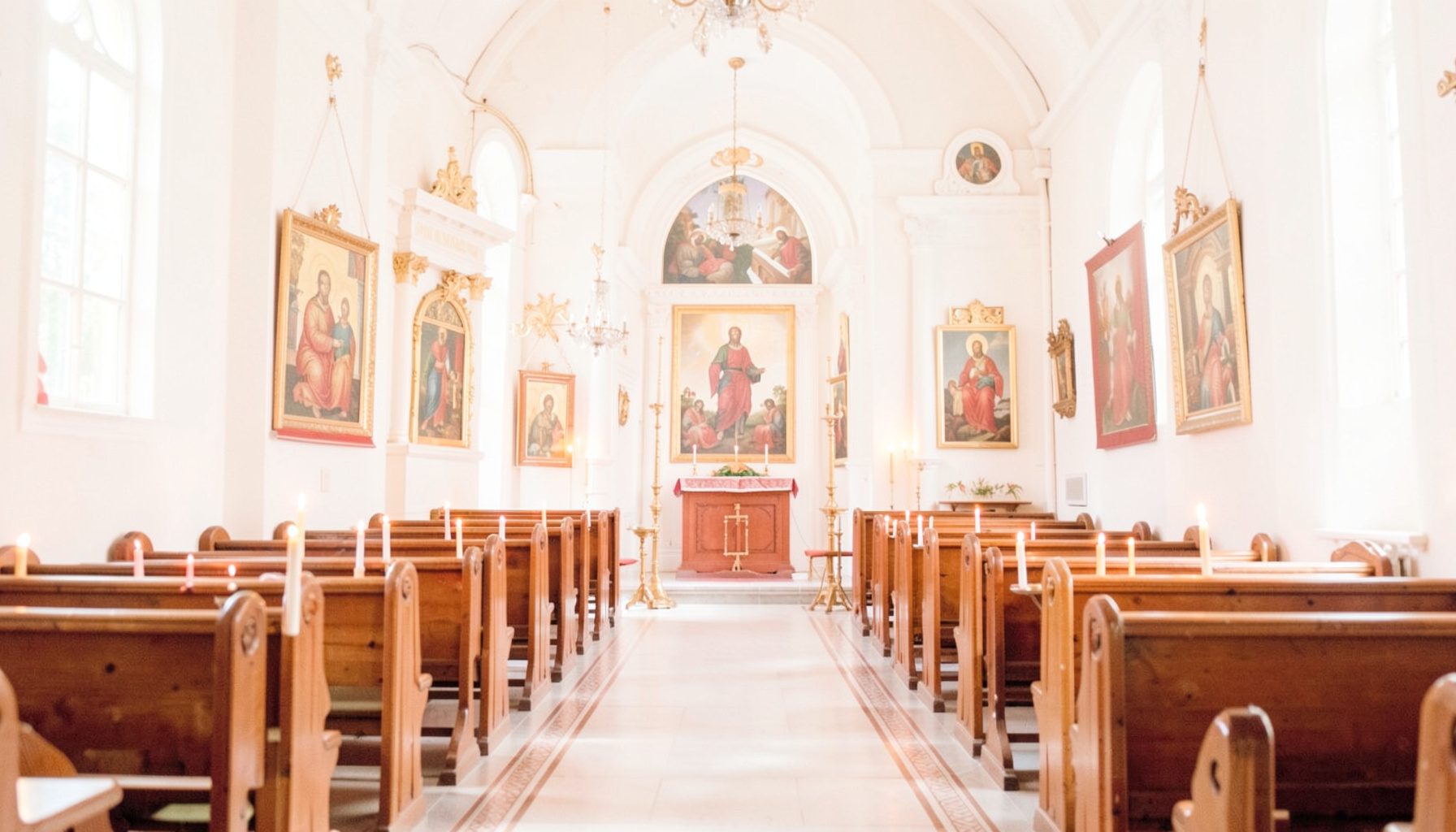
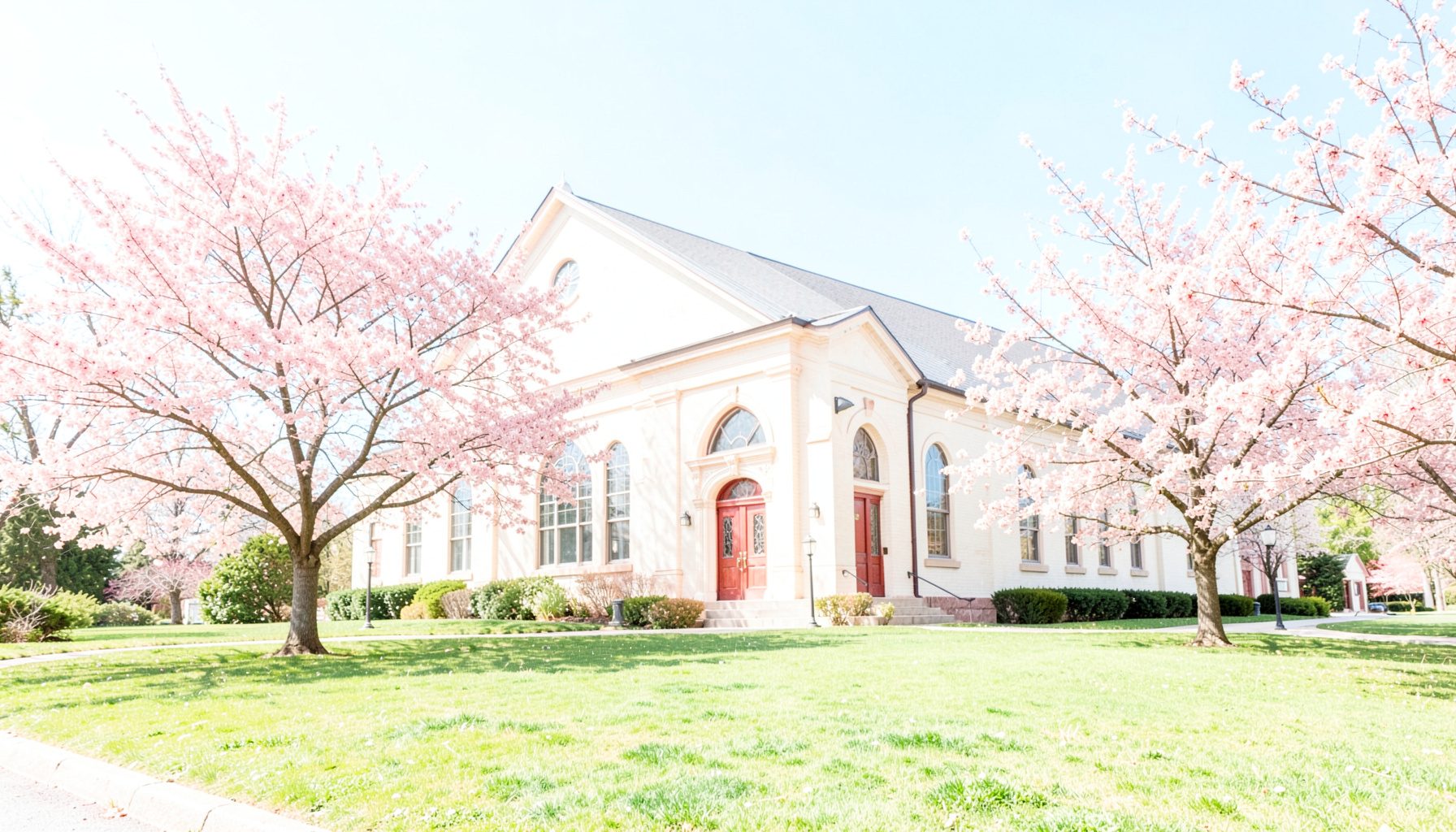
St. Nedela serves the Macedonian Orthodox community in Ajax and the surrounding region with regular worship, pastoral care, and facilities for gatherings.
Sunday Worship
Divine Liturgy every Sunday at 10 a.m. All are welcome to attend and participate in the life of the parish.
Services & Price List
Information on regular services, Easter schedules, and price lists is available through church administration or on the bulletin board in the hallway.
Banquet Hall
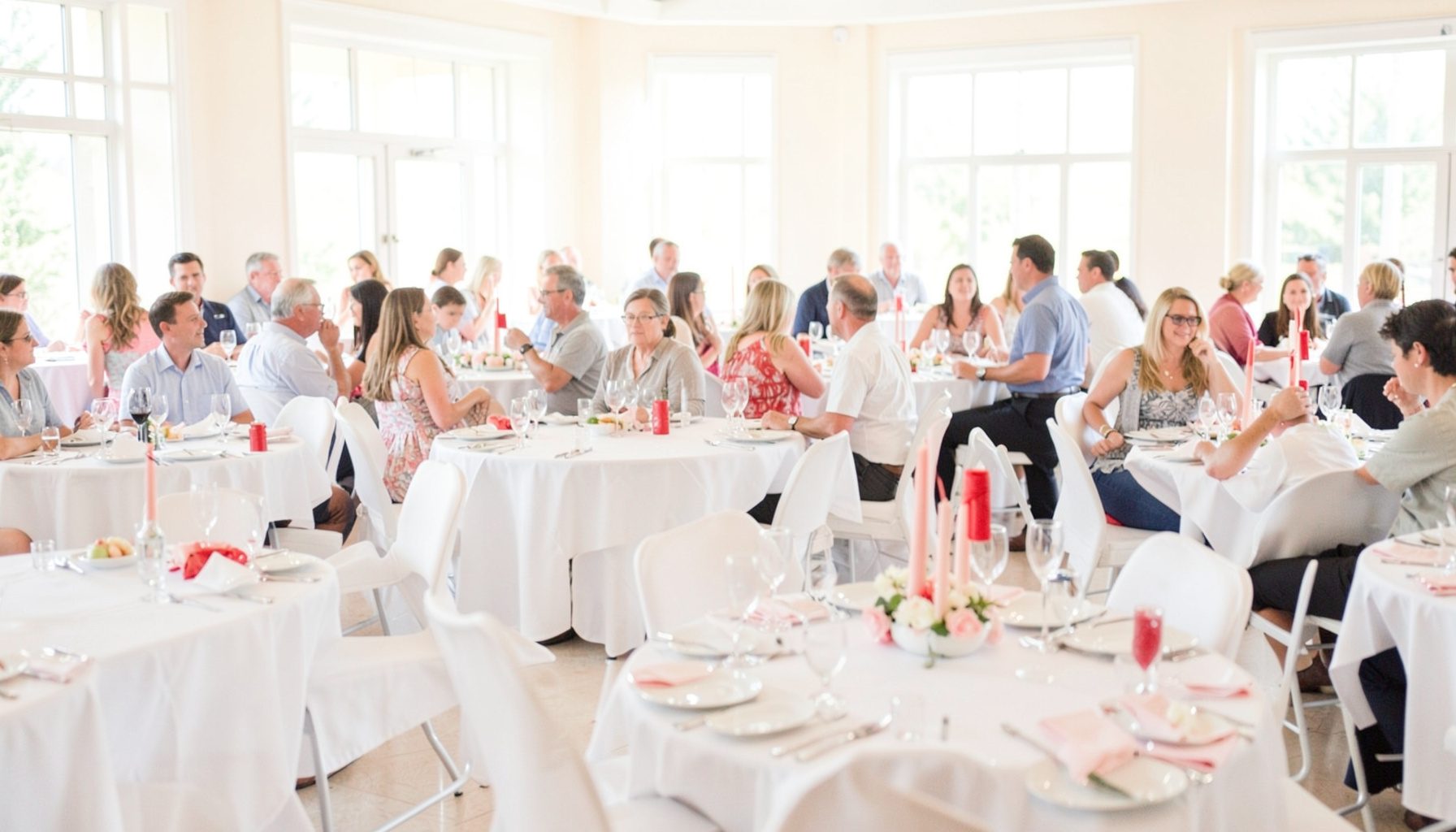
A hall accommodating up to 300 people is available for rentals. Contact Risto Trifunovski at 905-426-5355 for inquiries.
Prayers & Resources
Access the Lord's Prayer, the Nicene Creed, and prayers to the Mother of God — foundational texts of the Orthodox faith.
Kids' Corner
Resources and activities for the youngest members of our parish community.
Executive Board
Learn about the parish leadership and the dedicated volunteers who guide our church community.
Office & Contact Info
Parish Priest
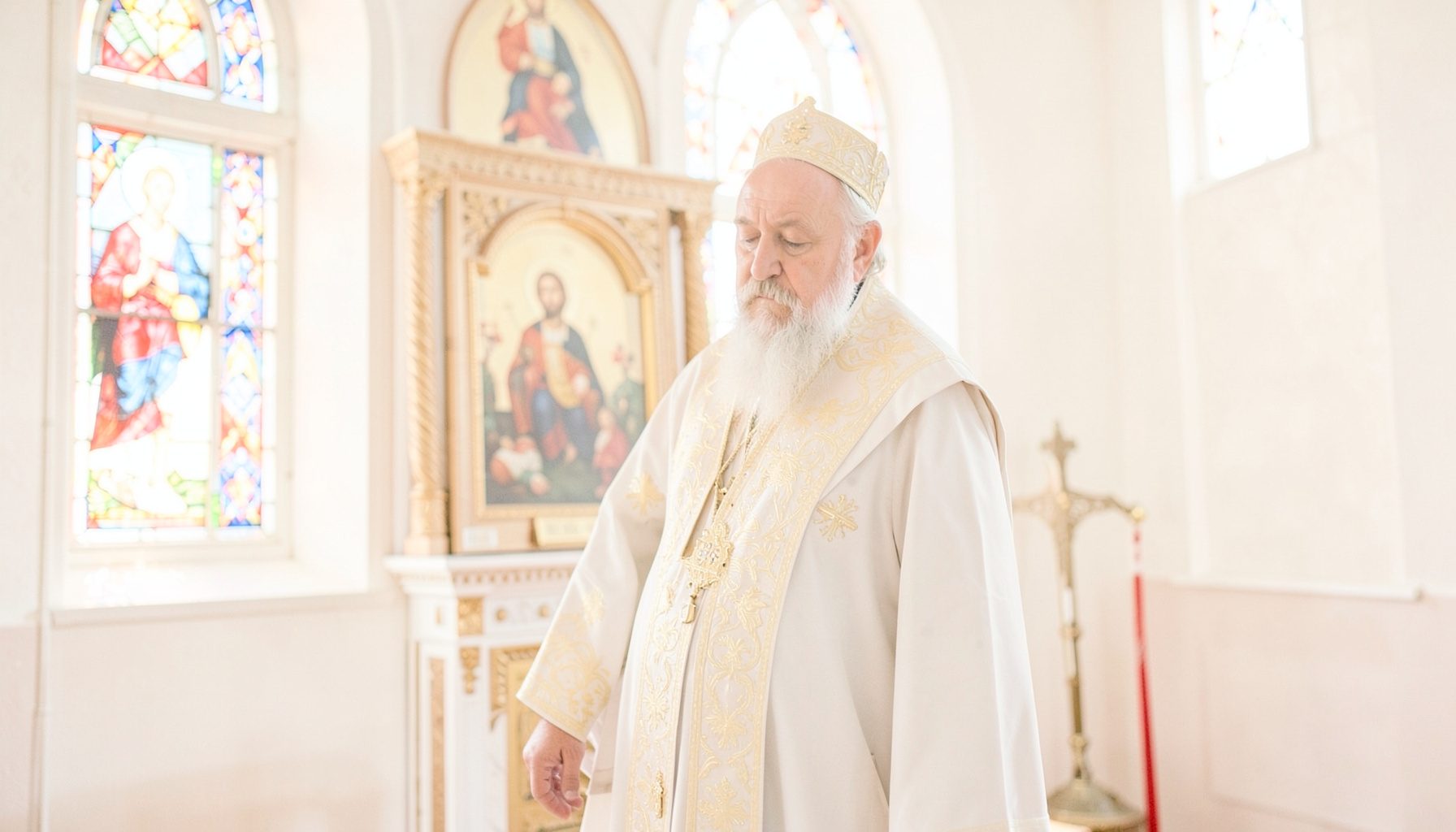
For religious or spiritual matters, contact Rev. Blage Dimitrievski at 416-568-4717 or blaged@stnedela.com.
Administration
Contact Secretary Helen Damtsis at 905-426-5355 for administrative inquiries.
Location & Hours
485 Bayly Street West, Ajax, Ontario, L1S 6M7
Open daily except Mondays, 10 a.m. – 4 p.m.
Insights & Articles
How to Settle Monthly Credit Payments During Unemployment
Guidance on handling loan repayments when facing job loss, including optional credit insurance for unemployment coverage.
Repayment of Loan Insurance
An overview of credit insurance for mortgages and loans, and how to opt out of insurance and recover premiums in certain situations.
What the Bible Says About Celebrating Christmas
A biblical exploration of Christmas celebrations, reflecting on scriptural perspectives regarding the holiday.
Gallery
Images from parish life, services, and community events at St. Nedela.