Storing inflatable outdoor Christmas decorations
An inflatable outdoor Christmas decoration is built to withstand rain and wind while operating, not to remain folded in a damp cupboard for months. Moisture trapped against seams can turn into mildew, while grit, heat and careless folds can split fabric or distort a blower housing. Begin when the display comes down: unplug it, deflate it, clean it, dry it completely and record damage before putting it away.
Australia's summer timing makes storage a January task rather than an autumn one. In Brisbane and northern Queensland, the wet season can arrive before every blower and extension lead has been put away, while cyclone-prone areas give households reason to clear decks promptly. In Perth and Adelaide, intense sun and heat can make an unshaded bag brittle; in Melbourne and Sydney, humidity and coastal salt can be troublesome. Dismantle displays before severe weather rather than trying to protect gear in place.
Not every inflatable needs the same treatment. A large Santa, reindeer or snow globe may have separate seams, internal air tubes, a detachable blower and lights built into the fabric. A blow-moulded lawn figure may have a removable base, while a fabric display can be vulnerable to a sharp stake. Read the instructions, identify every component and avoid assuming similar-looking products should be stored alike.
Treat the process as an inventory system, not merely a trip to the garage. Photograph each decoration while assembled, mark the blower model, and note which lights, leads, pegs, ropes and adapters belong to it. Give each group a label or coloured tie and keep small fittings in a marked container. This prevents a replacement blower being purchased when the original is merely buried in a cupboard.
Clean and dry before packing
Begin with power, then air. Switch off and unplug the blower at the wall, and disconnect any lighting transformer. Some inflatables stay inflated after the motor stops, so wait until the fabric is limp; if the maker specifies a deflation setting, follow it. Never puncture the material or pull a power cable to remove it. Where the blower is fixed, protect its housing from folds rather than forcing the fabric around it.
Clean only what the material can tolerate. For most polyester or vinyl inflatables, a soft brush lifts loose dirt and a barely damp cloth with mild soap removes grime. Test the cleaner on an unseen area, and keep liquid away from seams, motor vents and sockets. Avoid bleach, strong solvent, abrasive pads and pressure washers. Coastal salt should be rinsed with fresh water where permitted, because crystals caught in stitching can continue damaging fibres indoors.
Let every part dry in shade with air moving around it. A closed shed, hot car or covered patio can trap vapour, so check the item the next day rather than packing it while the surface merely feels dry. People who enjoy making their own storage aids can find DIY storage projects useful for labels, divided boxes and simple shelving. Repair tears or loose seams after cleaning, when their cause is easier to see.
Fold loose and label every part
Fold the inflatable loosely along its seams and flatten large air chambers without forcing out every crease. Heavy creases can leave stress marks, particularly on light fabric and vinyl, while tight compression can damage valves, wiring or internal baffles. Do not vacuum-pack an inflatable unless its maker permits it. Roll a separate blower housing rather than wrapping it in the fabric, and use the original carry bag if it remains sound.
Small accessories deserve their own protected system. Put pegs, anchors, extension leads, remotes, pumps and lighting controllers into labelled bags, then use one lidded bin for the group. Do not mix pegs with soft decoration, since damage may remain hidden until inflation. Plastic bags can trap dampness, so use them only for completely dry parts. A clear screw-top container makes tiny screws and battery-powered components easy to find.
A written location record prevents unpacking several enormous bags to find one controller. Tape a duplicate label inside the lid and another to the container, including the year, item name and any repair. Keep replacement filters with the correct unit, not in a general toolbox. Leave enough shelf space to lift each item without dragging neighbouring bags across the floor. This reduces handling damage and the temptation to leave an item out “just in case.”
Match storage to Australian conditions
Choose a cool, dark, dry, ventilated location with no risk of roof leaks or damp concrete beneath the item. A covered, pest-controlled shed is often better than a crowded garage, where a water heater, chemical tins or vehicle fumes create extra problems. Keep containers away from exterior walls so condensation and soil cannot wick into them. Avoid an exposed balcony, where wind-driven rain and reflected heat can defeat a good storage bag.
Apartment living adds another layer. Residents of Sydney, Melbourne, Brisbane and other dense cities may use a balcony, garage, communal store or high cupboard, but body corporate or strata rules can restrict what may be kept there. Batteries, fuel, strong chemicals and some appliances may be prohibited in common areas, and a bin must not obstruct a fire escape, stairwell or shared passage. Check the building’s by-laws and obtain any required permission before using shared space.
The Australian market makes replacement supplies easy to find. Bunnings, Mitre 10, hardware specialists, supermarkets and online sellers stock heavy-duty bags, clear bins, galvanised or stainless anchors, rope, tarpaulins and cable reels, often with January sales discounts. Marine-grade stainless fixings suit coastal displays, while UV-resistant tarpaulins can protect boxes in Perth or Adelaide. The product manual should remain the priority, but seasonal decorating guidance can help plan the wider arrangement. Confirm shelf dimensions and load ratings before filling them.
Protect blowers, cables and fittings
Store the blower as carefully as the display. Remove loose dirt from vents without pushing debris inside, and check that the cable and connector are completely dry. Wind the lead loosely rather than around the motor; tight bends can damage insulation or create heat. Put the blower and controller in a labelled bag or rigid bin so they cannot press against the fabric. Do not put talcum powder, foil or insect spray inside a motor housing, or rodent poison near electrical equipment.
Outdoor electrical equipment sold in Australia must meet applicable Australian standards, and use should follow the maker’s instructions for weather exposure and extension leads. During setup, use an RCD-protected outlet or portable residual current device in damp locations, keep connections above ground and inspect cables. Practical care guidance can offer a secondary reference, but it cannot replace model-specific instructions. After use, unplug at the wall, dry any wet connector and return it to its assigned bag rather than leaving it beside the blower.
Keep the receipt, warranty details and a dated inspection note with the equipment. Under the Australian Consumer Law, consumers may have remedies when a product has a defect or fails in a way its guarantees cover, although wear, accidental damage and misuse are treated differently. A record can show that a cable or seam was damaged during an event rather than while packed away. Photograph the blower serial number and any replacement fitting.
Check, test and return to service
Before returning a display to service, inspect it in good light and follow the maker’s inflation sequence. Check that seams are seated, valves closed and cables free of moisture or visible damage. Test the blower briefly on a dry surface away from grass, leaves and sawdust, and listen for grinding or unusual heat. Do not energise a unit that smells burnt, sparks or has a cracked connector. Let a patch cure fully before the inflatable goes under pressure.
Plan installation around local rules and weather. A display on council land, a nature strip, footpath or in a shopping precinct may require permission, and rules differ between Australian councils. It must not obstruct pedestrian movement, ramp access, driveways, exits or drivers’ sightlines. Public events may involve venue insurance, property-owner permission and work health and safety duties covering trip hazards, anchoring and electrical equipment. Confirm requirements with the council or venue before pegging anything down, especially when winds are forecast. Use purpose-rated anchors and leads.
Keep the storage kit close to the setup plan but separate from urgent items such as a spare lamp and replacement lead. A laminated card with the inventory, weather limits, anchor positions and contact details is more useful than a note buried in a drawer. Review it after each event and remove anything no longer required. Revisiting Christmas decorating ideas can reveal which pieces deserve more dry storage space, while the inventory identifies extras worth selling, donating or replacing. A maintained store makes the next setup faster and keeps every inflatable ready for another Australian summer.
Our Parish & Services
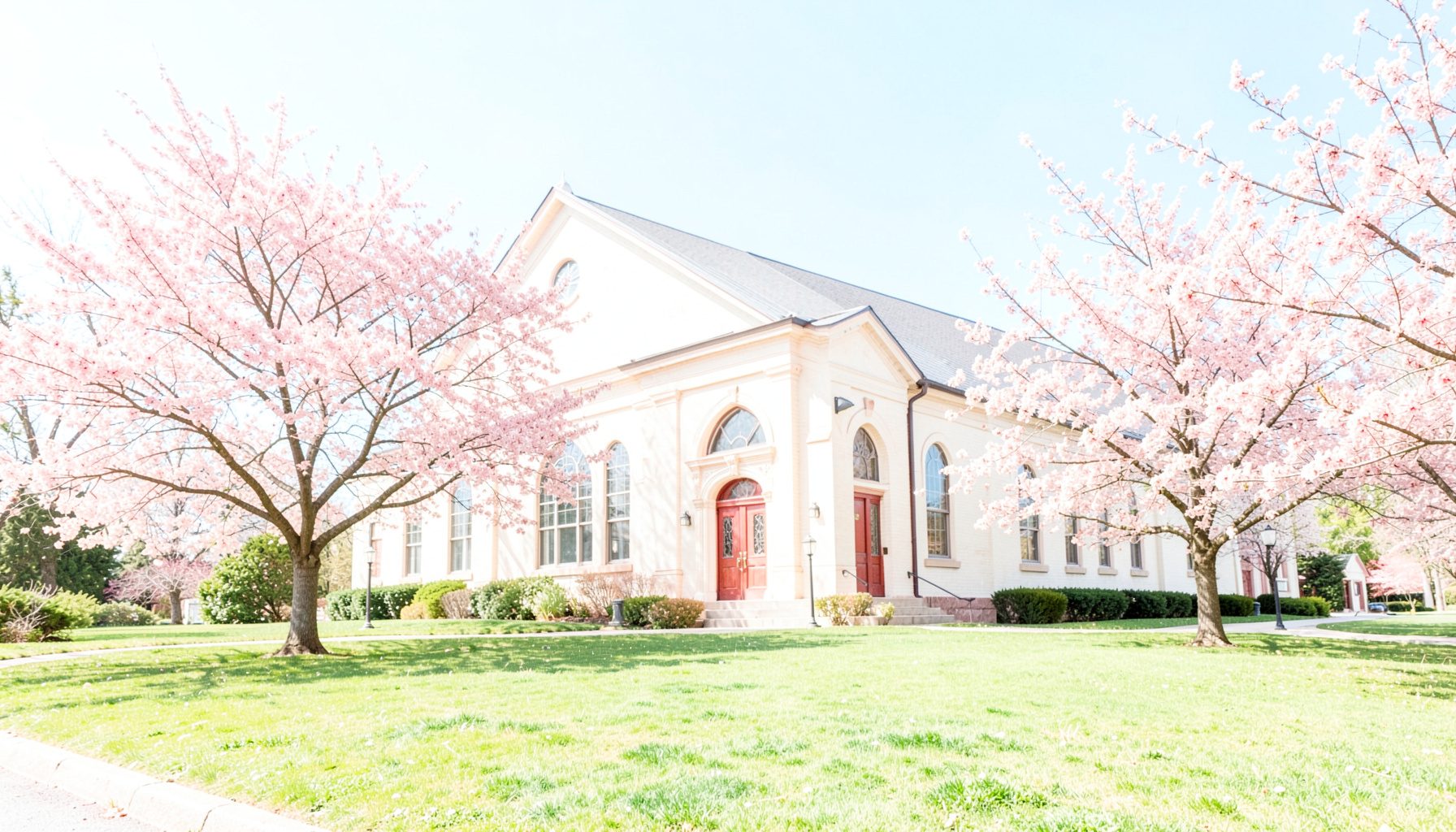
St. Nedela serves the Macedonian Orthodox community in Ajax and the surrounding region with regular worship, pastoral care, and facilities for gatherings.
Sunday Worship
Divine Liturgy every Sunday at 10 a.m. All are welcome to attend and participate in the life of the parish.
Services & Price List
Information on regular services, Easter schedules, and price lists is available through church administration or on the bulletin board in the hallway.
Banquet Hall
A hall accommodating up to 300 people is available for rentals. Contact Risto Trifunovski at 905-426-5355 for inquiries.
Prayers & Resources
Access the Lord's Prayer, the Nicene Creed, and prayers to the Mother of God — foundational texts of the Orthodox faith.
Kids' Corner
Resources and activities for the youngest members of our parish community.
Executive Board
Learn about the parish leadership and the dedicated volunteers who guide our church community.
Office & Contact Info
Parish Priest
For religious or spiritual matters, contact Rev. Blage Dimitrievski at 416-568-4717 or blaged@stnedela.com.
Administration
Contact Secretary Helen Damtsis at 905-426-5355 for administrative inquiries.
Location & Hours
485 Bayly Street West, Ajax, Ontario, L1S 6M7
Open daily except Mondays, 10 a.m. – 4 p.m.
Insights & Articles
How to Settle Monthly Credit Payments During Unemployment
Guidance on handling loan repayments when facing job loss, including optional credit insurance for unemployment coverage.
Repayment of Loan Insurance
An overview of credit insurance for mortgages and loans, and how to opt out of insurance and recover premiums in certain situations.
What the Bible Says About Celebrating Christmas
A biblical exploration of Christmas celebrations, reflecting on scriptural perspectives regarding the holiday.
Gallery
Images from parish life, services, and community events at St. Nedela.