Choosing the right fir, pine, and spruce for an Australian Christmas
In Australia, Christmas arrives in the middle of summer, which makes the choice of Christmas tree more interesting than it is in the Northern Hemisphere. While families in London or New York are wrapping up against the cold, households in Sydney, Melbourne, and Brisbane often set up their trees near open windows or air-conditioners. The kind of foliage that holds up under a fan, a stray burst of heat, and curious pets matters far more here than the typical advice columns suggest. Choosing between fir, pine, and spruce, or going with the native Norfolk Island pine, shapes how the rest of the decoration plan unfolds.
A surprising number of Australians still prefer a real tree, drawn by the scent, the tradition, and the slightly imperfect silhouette. Others have moved toward high-quality artificial options that survive several Decembers in the shed. Whichever camp you fall into, knowing the differences between the main conifer families helps you pick a tree that looks right, lasts through the holidays, and fits your local conditions. From bushfire-prone suburbs of Adelaide to the cooler hills of Tasmania, the options vary more than most people expect.
The enduring appeal of pine in Australian homes
Pine trees dominate the Australian fresh-cut market, mainly because several species grow well in the southern states. Radiata pine, originally from California, has been planted commercially across Victoria, South Australia, and southern New South Wales for decades. It is readily available, relatively affordable, and its soft needles carry that classic Christmas fragrance. The branches tend to be flexible, which makes hanging ornaments easy, though the needles drop more quickly than fir needles once the tree is indoors.
Hoop pine is another Australian favourite, particularly in Queensland. Grown in plantations from Gympie to the Atherton Tablelands, hoop pine has stiffer, more sculptural branches and a longer needle retention. Many Brisbane families choose hoop pine for its tidy, almost architectural shape. It is also a sustainable option because Australian pine plantations are replanted under strict forestry rules managed by state agencies. Those concerned about environmental impact often ask retailers for plantation-grown trees rather than imported cut stock, and most major Australian growers now display certification details online.
For shoppers comparing online bonuses and seasonal offers, a few side-by-side platforms have started bundling lifestyle guides with entertainment, and the same sites that publish greyhound racing bonuses sometimes also list retailers carrying locally grown pines. It is a quirky crossover, but it shows how much Australians now do their Christmas planning through a single screen. Local markets in Adelaide's Rundle Mall, Melbourne's Queen Victoria Market, and Sydney's Carols in the Domain pop-ups also sell pines from regional growers, often with the option to have the tree delivered and even collected for mulching after the holidays.
Why fir trees have earned their reputation
Firs are widely regarded as the gold standard of Christmas trees, and Australians have caught on. Nordmann fir, in particular, has grown enormously popular in upscale suburbs of Perth and Sydney over the last decade. The needles are soft, flat, and almost rubbery to the touch, which is helpful for households with toddlers or curious cats. They also stay on the tree far longer than pine needles, often holding for four to six weeks if the stand is kept watered.
Fraser fir is the other standout. It has a slimmer profile, dense branches, and a strong, spicy fragrance. Many smaller living rooms in inner-Melbourne terraces and Brisbane apartments benefit from a Fraser fir because the shape fits narrow spaces without losing the layered look people want. The needles are short and dark, giving a richer green that photographs beautifully. Imported Fraser firs do appear in some Australian retailers, but the price can be steep due to shipping, so many shoppers compromise with a Nordmann or a well-shaped hoop pine.
Douglas fir, technically not a true fir but commonly grouped with them, has blue-green needles and a citrusy scent. It is grown in cooler parts of New South Wales and occasionally Tasmania, though supply is limited. If you find one at a local Christmas farm, it is worth considering for its unusual colour and pleasant aroma. Some families in Canberra's colder suburbs report good results with Douglas fir, especially when the tree is kept away from direct sunlight through a window.
Spruce varieties worth considering
Spruce trees are less common in Australian homes, but they have their loyal fans. Norway spruce is the traditional choice in much of Europe, with a strong scent and a triangular silhouette. Its needles, however, drop quickly once the tree is cut, which is a real drawback in a December heatwave. For families in regional Victoria or Tasmania where summer temperatures stay milder, Norway spruce can still work if kept in a cool room and watered daily.
Blue spruce, also called Colorado blue spruce, has striking silvery-blue foliage and stiff, dramatic branches. It is harder to find in Australian nurseries but does appear in some specialty growers around the Mornington Peninsula and the Adelaide Hills. The needles are sharp, so it is not ideal for households with small children who like to touch the lower branches. Blue spruce also holds needles better than Norway spruce, making it a more practical option if your heart is set on a spruce.
Serbian spruce rounds out the trio. It has dark green needles with a silvery underside, giving the tree a slightly two-toned appearance that catches the light beautifully. Branches are short but plentiful, making it excellent for displaying heavier ornaments. It is rarely grown commercially in Australia, so most specimens come from specialty importers. Those willing to pay the premium often find a Serbian spruce lasts well into January if kept indoors with consistent water.
The Norfolk Island pine: a genuinely Australian choice
For those wanting a tree that feels at home in the local landscape, the Norfolk Island pine is hard to beat. Despite its name, it is now grown widely along the east coast of Australia, from Coffs Harbour down to the NSW South Coast, and across parts of South-East Queensland. It is not technically a fir, pine, or spruce, but a member of the ancient Araucariaceae family, and it has a soft, almost feathery look that is unmistakably Australian.
Norfolk Island pines tolerate warm weather far better than traditional Northern Hemisphere conifers. A heated living room in Brisbane or a sun-drenched Sydney apartment will not stress them the way it would a cut fir. They can also be planted in the garden after Christmas, where they will grow into tall, elegant landscape trees over the following decades. Many Australian councils encourage this approach because it reduces the annual waste of discarded cut trees and adds greenery to suburban blocks.
If you are rearranging furniture to make room for a larger tree, you might also be looking at kitchen furniture choices and other home fittings, and reading similar guides can help you rethink the entire living space. A Norfolk Island pine, combined with a thoughtfully arranged dining area, often becomes the centrepiece of the whole home rather than just a corner ornament.
Caring for a real tree in an Australian summer
Heat is the single biggest challenge for fresh Christmas trees in Australia. A cut pine or fir standing in a living room where the air-conditioner runs all day can dry out within a week. Start by giving the trunk a fresh cut just before placing it in the stand, removing about two centimetres to reopen the water channels. Keep the stand topped up so the water level never drops below the base of the trunk.
Place the tree away from windows that face west, where afternoon sun can scorch the needles. If your home is open-plan and the tree is near a kitchen or dining area, be aware that cooking heat speeds up needle drop. A shaded corner of the lounge room, supplemented with a small oscillating fan on a low setting, often keeps the tree looking fresh for three to four weeks. Spraying the branches lightly with water each morning can also help, though be cautious around electrical light strings.
Australian regulations around tree disposal vary by council. In most Sydney and Melbourne municipalities, cut trees are collected during the first two weeks of January and turned into mulch. A few councils, including parts of Brisbane and Perth, run drop-off points at local parks. Burning the tree in the backyard is generally discouraged during summer because of total fire bans issued by state fire authorities, particularly in NSW and Victoria. Check your local council's website in early January to find the collection schedule in your area.
Making the final choice for your home
The best Christmas tree is the one that suits your climate, your living space, and your decorating style. For coastal homes in Queensland and northern NSW, the Norfolk Island pine is a sensible and beautiful option. For traditionalists in Victoria, Tasmania, and South Australia, hoop pine or Nordmann fir offer the classic look with reliable needle retention. For those in apartments or smaller terraces, a slim Fraser fir or a younger hoop pine can deliver the right shape without overwhelming the room.
Whatever you choose, give the tree a few days to settle into its spot before adding the heaviest ornaments. Rotate the tree so the best side faces the main seating area, and use lights that produce minimal heat, since LED strings are gentler on drying branches. With the lights on and the family gathered, many Australians unwind by browsing their phones, and a quick look at top-paying slot games has become a familiar Boxing Day pastime. With a little planning and a few local tips, your tree can carry you from Christmas Eve through the New Year and well into the Australian summer holidays.
Our Parish & Services
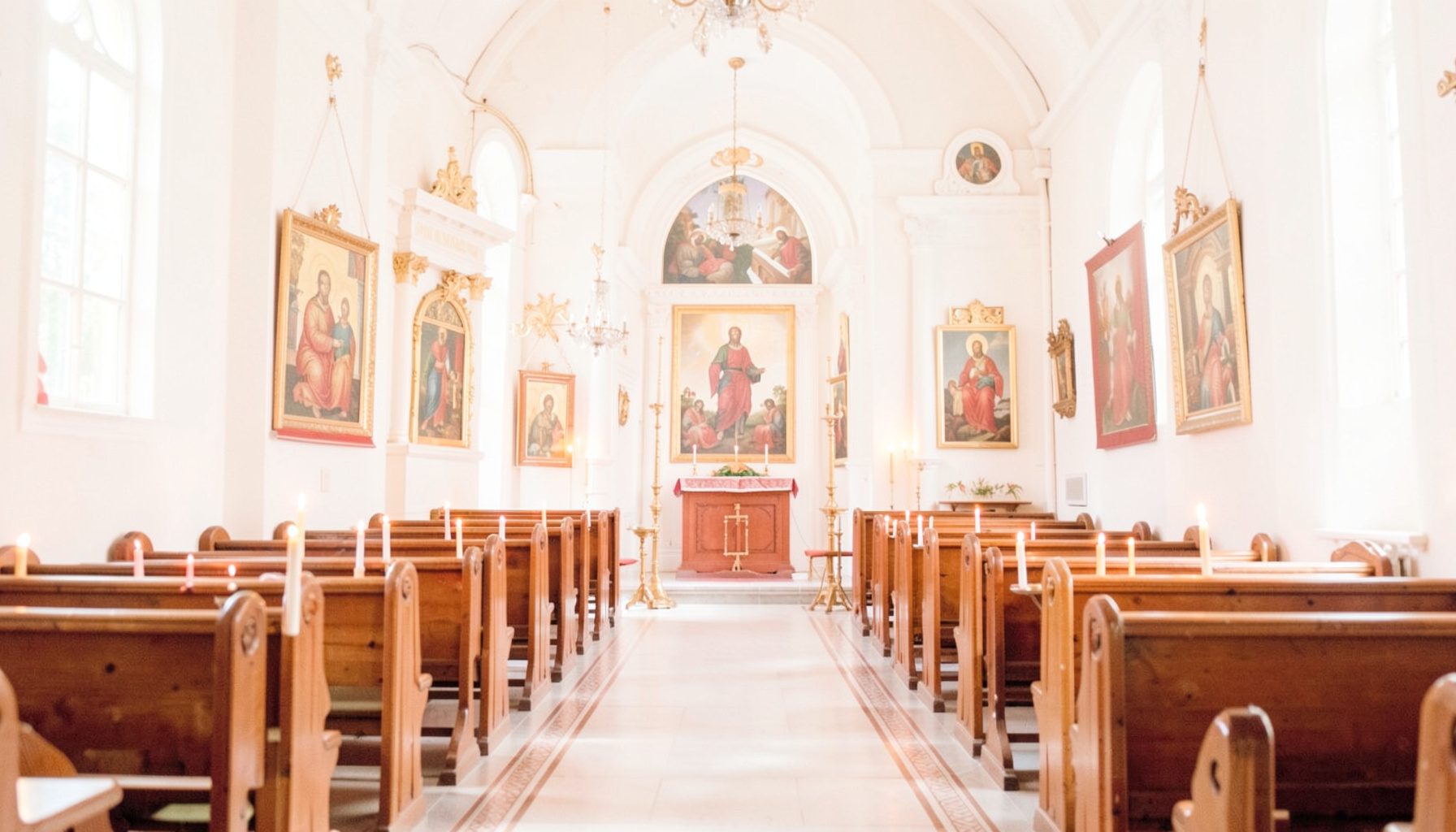
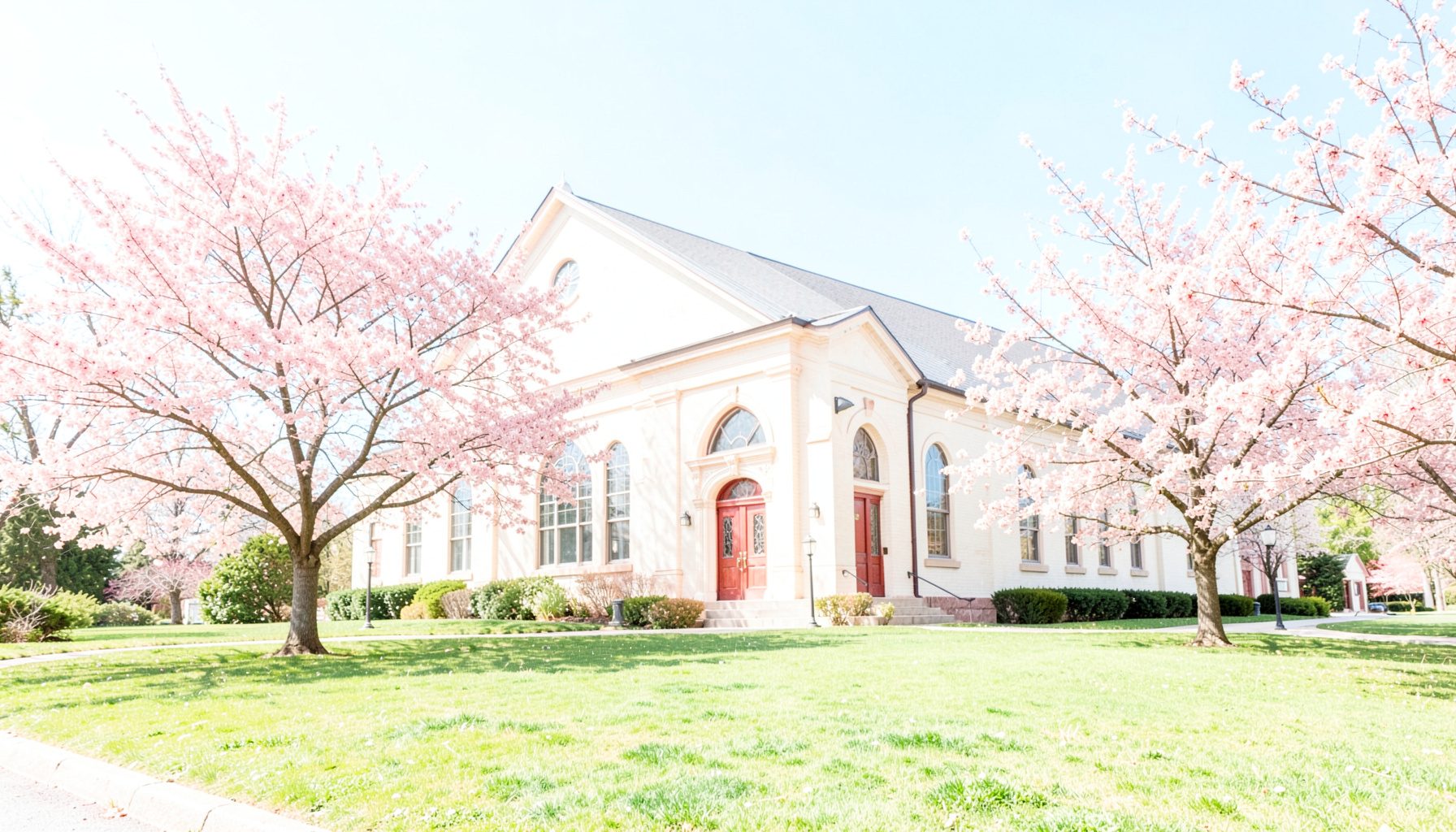
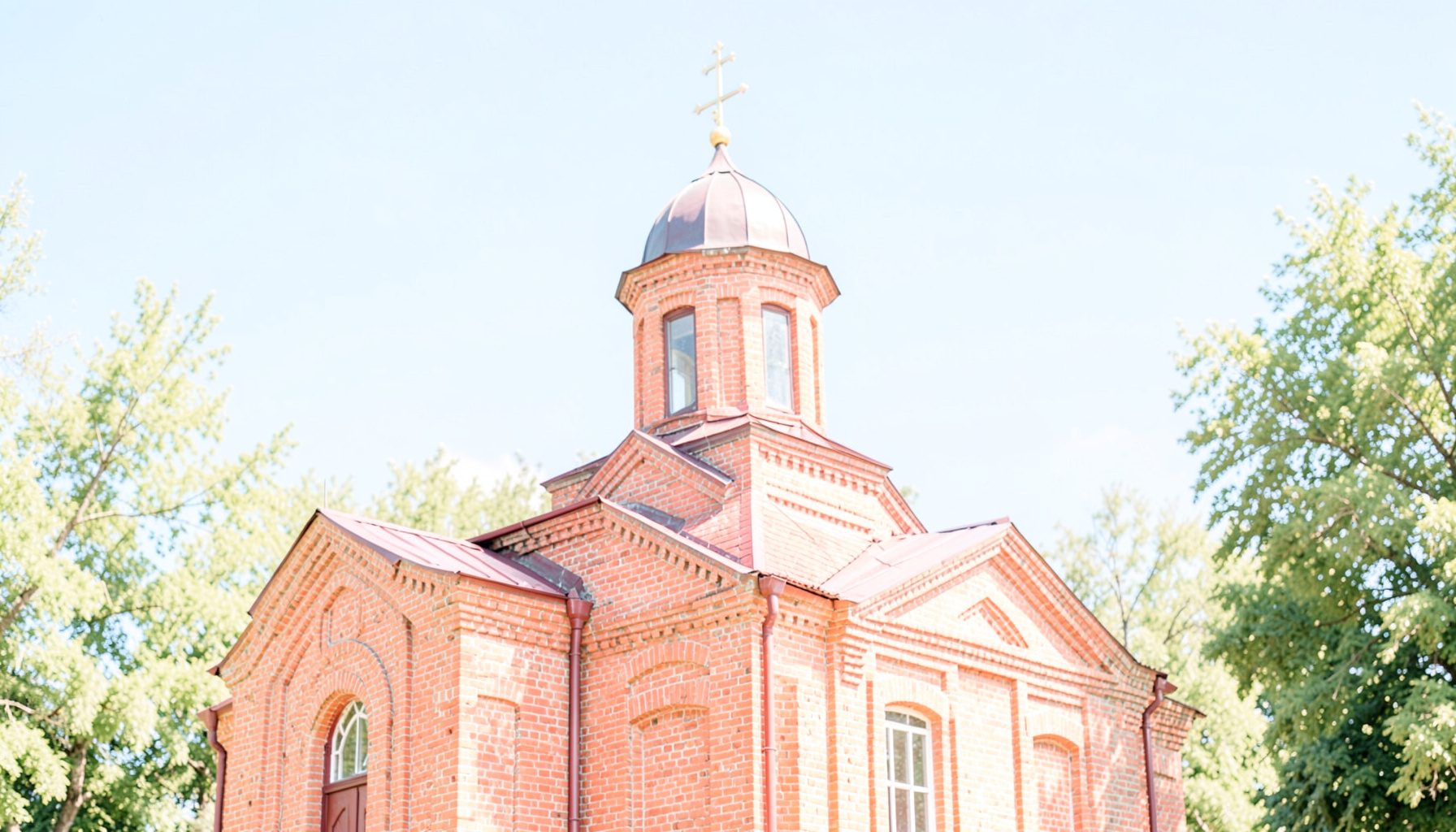
St. Nedela serves the Macedonian Orthodox community in Ajax and the surrounding region with regular worship, pastoral care, and facilities for gatherings.
Sunday Worship
Divine Liturgy every Sunday at 10 a.m. All are welcome to attend and participate in the life of the parish.
Services & Price List
Information on regular services, Easter schedules, and price lists is available through church administration or on the bulletin board in the hallway.
Banquet Hall
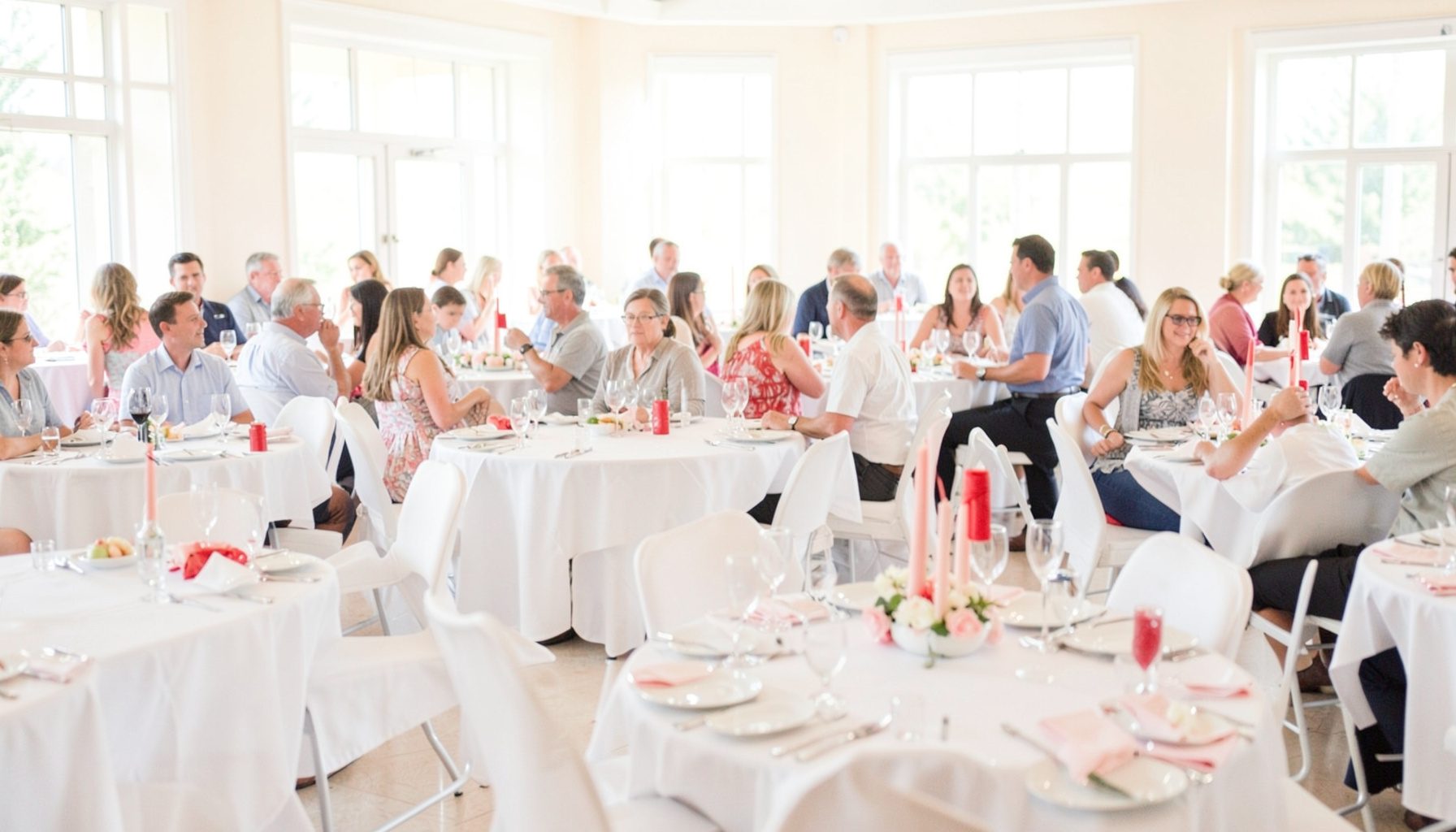
A hall accommodating up to 300 people is available for rentals. Contact Risto Trifunovski at 905-426-5355 for inquiries.
Prayers & Resources
Access the Lord's Prayer, the Nicene Creed, and prayers to the Mother of God — foundational texts of the Orthodox faith.
Kids' Corner
Resources and activities for the youngest members of our parish community.
Executive Board
Learn about the parish leadership and the dedicated volunteers who guide our church community.
Office & Contact Info
Parish Priest
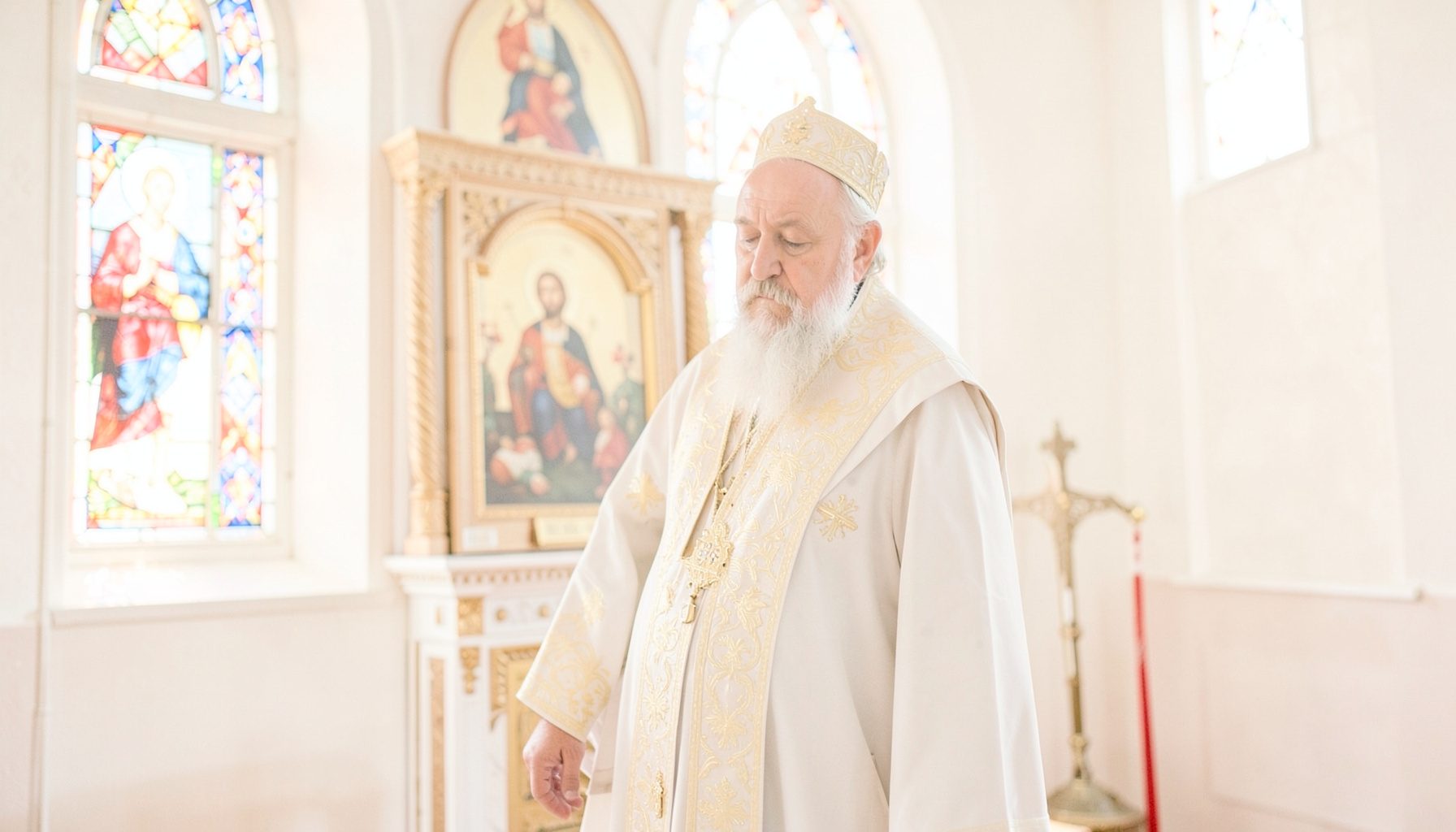
For religious or spiritual matters, contact Rev. Blage Dimitrievski at 416-568-4717 or blaged@stnedela.com.
Administration
Contact Secretary Helen Damtsis at 905-426-5355 for administrative inquiries.
Location & Hours
485 Bayly Street West, Ajax, Ontario, L1S 6M7
Open daily except Mondays, 10 a.m. – 4 p.m.
Insights & Articles
How to Settle Monthly Credit Payments During Unemployment
Guidance on handling loan repayments when facing job loss, including optional credit insurance for unemployment coverage.
Repayment of Loan Insurance
An overview of credit insurance for mortgages and loans, and how to opt out of insurance and recover premiums in certain situations.
What the Bible Says About Celebrating Christmas
A biblical exploration of Christmas celebrations, reflecting on scriptural perspectives regarding the holiday.
Gallery
Images from parish life, services, and community events at St. Nedela.