The Ultimate Guide to Christmas Tree Sizes and Shapes for Every Home
Picking out a Christmas tree sounds simple until you walk into a store and face rows of different heights, profiles, and styles. In Australia, where Christmas arrives in the middle of summer, the practical decisions around size and shape become even more important. A tree that overwhelms a small apartment in Brisbane or disappears against the high ceilings of a Sydney terrace will quickly change the festive mood. Getting the proportions right sets the tone for every decoration that follows.
Heights, widths, branch density, and overall silhouette all interact with the room you plan to place the tree in. From compact desktop options to towering statement pieces, understanding how each measurement translates to your living space helps you avoid common pitfalls. This guide walks through the dimensions worth knowing, the shapes that suit different interiors, and the considerations that matter when setting up a tree in an Australian home.
Measuring tree heights and what those numbers really mean
Tree heights are usually listed in centimetres or feet, but the number alone tells only part of the story. Most artificial trees include the stand and sometimes a small top section that doesn't add much visual height. A 180 cm tree, for example, often appears closer to 170 cm once placed in its base. Knowing your ceiling height and the typical placement of a tree topper helps you translate the listed dimensions into what will actually sit in your room.
Australian homes vary widely in ceiling height, from low-set Queensland-style houses to double-storey townhouses in Melbourne's inner suburbs. A safe rule is to leave at least 15 cm between the top of the tree and the ceiling, allowing room for a star or angel without crowding the space. For standard homes with 2.4 m ceilings, trees between 150 cm and 180 cm tend to work well. Homes with higher ceilings, particularly renovated Victorian terraces or modern apartments, can comfortably accommodate 210 cm or taller.
When measuring, also consider the floor covering. A thick rug or low furniture piece will add height to the tree's base. Many families in Adelaide and Perth place their tree on a low bench or skirted platform to give it more presence in rooms with generous proportions. Always measure twice and account for the topper before committing to a size.
From slim pencil to full bushy: exploring tree shapes
Beyond height, the silhouette of a tree changes how it fits into a room. Slim or pencil-shaped trees have narrow profiles that work beautifully in tight corners, narrow hallways, and small apartments. A typical slim tree at 180 cm might only span 90 cm at its widest point, leaving floor space for presents and furniture. These designs also suit modern minimalist interiors popular in renovated Brisbane workers' cottages.
Full or traditional trees with dense branches create the classic look many people associate with festive displays. They require more floor space but offer greater surface area for ornaments, garlands, and lights. Wide trees anchor a room visually and feel generous in open-plan living areas common in newer Australian builds. Mid-sized full profiles between 120 cm and 150 cm often work well in average suburban family rooms.
There are also specialty shapes like flat-back trees designed to sit against walls, half trees for tight spaces, and even sparse alpine styles that mimic wild-grown specimens. Flocked or snow-tipped designs have grown in popularity, though they feel slightly out of place in an Australian summer Christmas where temperatures regularly climb above 30 degrees. Choosing the right shape is as much about lifestyle as it is about room size, so think about how much time you want to spend arranging branches and where the tree will be viewed from most often.
Matching tree size to room dimensions and traffic flow
A tree should enhance a room without disrupting how people move through it. In busy homes, especially those hosting extended family for Christmas lunch, traffic flow becomes a real concern. Placing a wide tree in a narrow walkway in a Sydney apartment can turn gift opening into an obstacle course. Consider how guests will approach the tree, where presents will be laid out, and whether there is enough space to step back and admire the decorations.
Rooms with large windows often benefit from taller trees that echo the vertical lines of the window frames. Conversely, low-ceilinged rooms with horizontal features, like exposed beams or open shelving, suit shorter, wider trees that spread across the wall rather than reaching up. Corner placements work well for slim trees, while centre-of-room placements demand a fuller profile to look balanced from all angles.
Australian homes frequently feature open-plan living areas that combine kitchen, dining, and lounge spaces. In these layouts, a tree placed near the dining table becomes the focal point for long Christmas lunches. Choosing a height that doesn't obstruct sightlines between the kitchen and living areas keeps the social flow intact. For homes with split-level designs or sunken lounges, adjusting tree placement to match the main seating level ensures the tree remains a visible centrepiece throughout the day.
Outdoor trees, giant displays, and warm weather considerations
Outdoor Christmas trees have grown in popularity across Australia, particularly for front yard displays that greet visitors and passers-by. Large outdoor trees, often between 240 cm and 300 cm, create impressive entries for suburban homes in Melbourne and Perth. These displays work well with solar-powered string lights and weather-resistant ornaments designed to handle the Australian summer sun and occasional summer storms.
The heat and humidity of an Australian December affects outdoor displays in ways that northern hemisphere guides rarely cover. Direct sunlight can fade ornaments and warp plastic tree components, so placing outdoor trees in shaded areas or under verandahs extends their lifespan. Real outdoor trees, while less common, require frequent watering and wilt quickly in temperatures above 35 degrees. Many Australians opt for artificial outdoor trees for this reason, storing them indoors during the off-season to protect them from UV damage.
For those wanting a tree on a balcony or small courtyard, compact outdoor styles between 120 cm and 150 cm offer festive charm without dominating the space. Lightweight bases and sandbagged stands prevent tipping during summer winds that often sweep through coastal suburbs. Combining outdoor trees with native Australian greenery, like sprigs of eucalyptus or banksia, adds a local touch to traditional displays and ties the decoration into the broader garden landscape. When shopping for an artificial tree that suits your indoor space, this comprehensive tree review walks through the key factors worth considering before you buy.
Storage, setup, and reusing trees across many seasons
Artificial trees are designed to last for years, but their size affects how easy they are to store and reassemble. Larger trees often come in multiple sections that stack inside dedicated storage boxes, while smaller trees fit into original cartons or reusable bags. Flat-packed designs save significant space in garage storage, which matters in Australian homes where garage space often competes with cars, bikes, and outdoor equipment.
Setup time varies dramatically depending on tree size and branch construction. Hinged branches that swing into place reduce assembly to a few minutes, while hooked or individually attached branches require longer arrangement. Families in busy households often prefer trees that can be fully assembled in under 30 minutes, leaving more time for decorating. Some newer designs include pre-strung lights that eliminate one of the most time-consuming steps, though they cost more upfront.
Storage considerations also affect long-term enjoyment. Trees stored in damp conditions can develop mould or musty odours, particularly in humid coastal areas. Climate-controlled storage or well-sealed containers keep trees fresh year after year. Labelling sections and storing lights separately prevents tangled messes, and keeping a small repair kit with spare bulbs and replacement tips ensures the tree looks its best every December. Many Australian retailers run end-of-season sales in early January, making it a smart time to upgrade to a higher-quality tree while prices are reduced.
Real versus artificial: weighing size options for Australian households
The choice between real and artificial trees shapes every other decision about size and shape. Real pine trees, popular in cooler regions like the Southern Highlands of NSW and the Yarra Valley, offer authentic scent and natural variation but require regular watering and shed needles throughout the festive season. Their sizes depend on annual growing conditions, so shoppers often find limited height options compared to the precise measurements available with artificial varieties.
Artificial trees provide consistent sizing, predictable shapes, and reusable value across many years. For Australian households wanting a specific height or silhouette, artificial options deliver reliable results. They also suit families with allergies or asthma, which matters in homes where summer air quality can already be affected by bushfire smoke or pollen. The initial cost is higher, but spreading it across a decade of use often makes artificial trees more economical than buying fresh cuts annually.
Ultimately, the right size and shape depend on your home, your decorating style, and how you celebrate the festive season. A small apartment in Brisbane might call for a slim 150 cm tree with minimal decorations, while a spacious family home in Adelaide could anchor a 240 cm full-profile tree covered in heirloom ornaments. Measuring your space, considering your climate, and thinking about long-term use all play a role in making a choice that brings joy year after year.
Christmas arrives at the close of a long year, often coinciding with reflections on what has passed and what lies ahead. For readers thinking about fresh starts or career changes during the holiday season, employment reflections offers perspective that complements the season's spirit of renewal.
Our Parish & Services
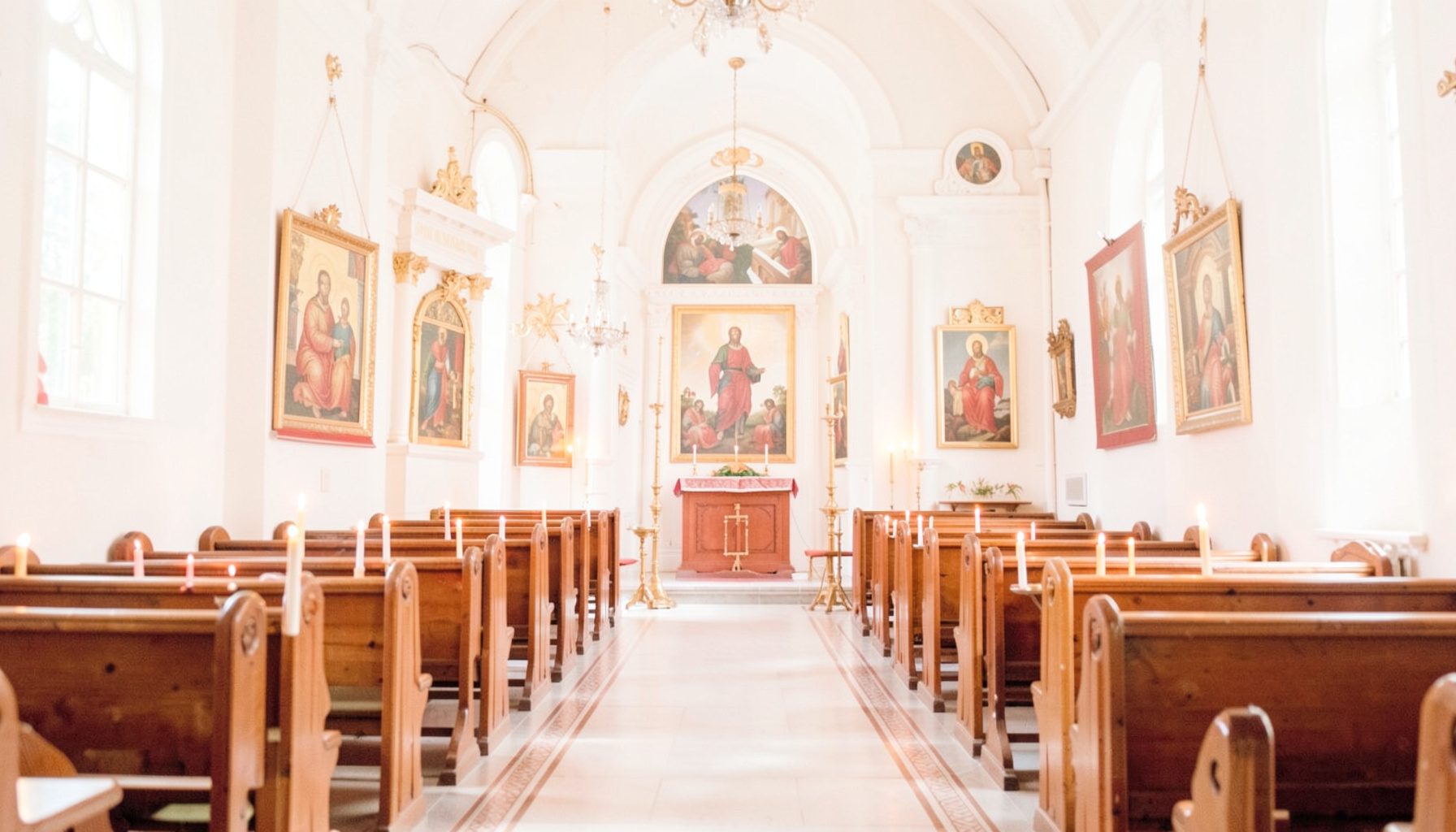
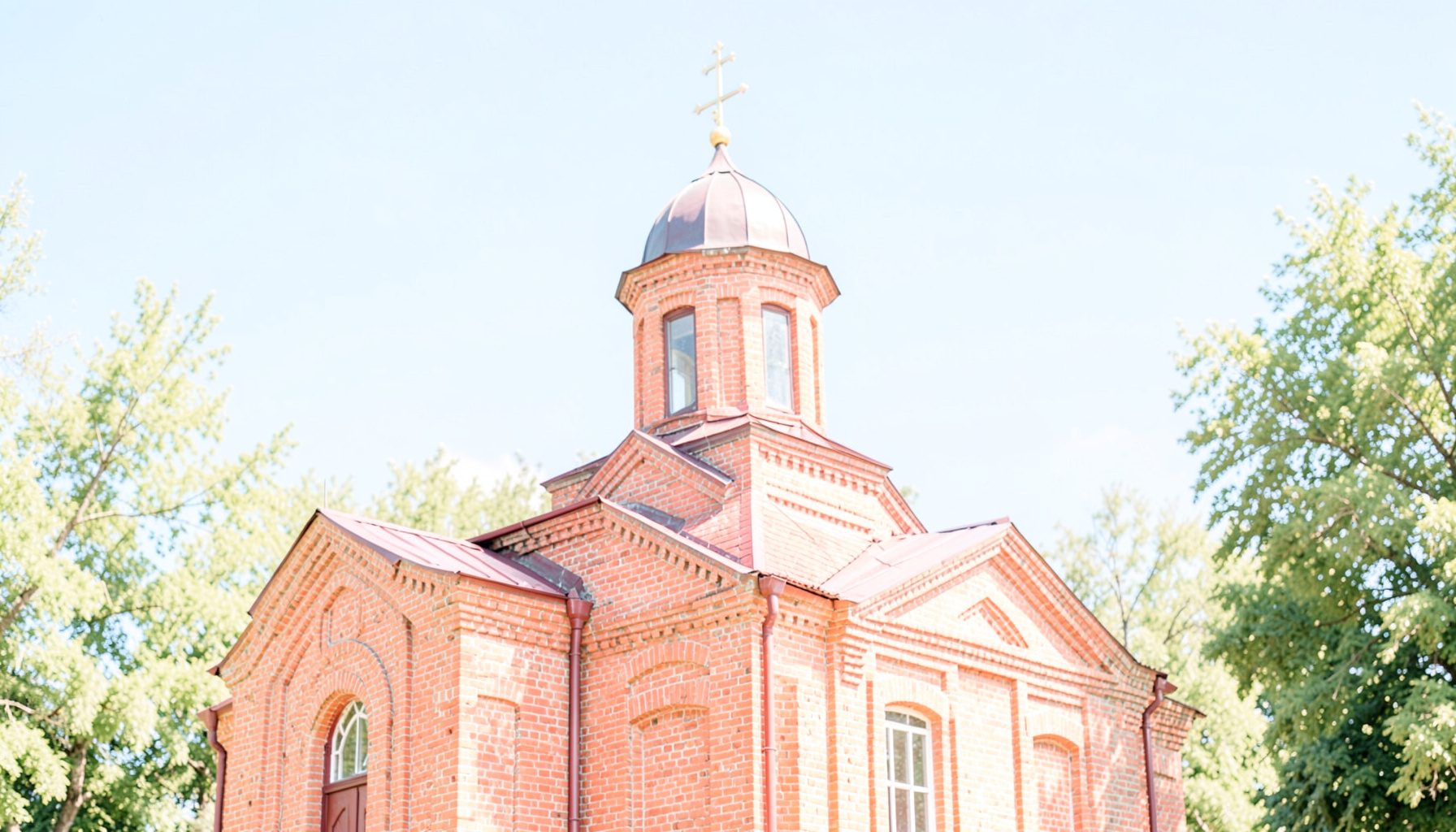
St. Nedela serves the Macedonian Orthodox community in Ajax and the surrounding region with regular worship, pastoral care, and facilities for gatherings.
Sunday Worship
Divine Liturgy every Sunday at 10 a.m. All are welcome to attend and participate in the life of the parish.
Services & Price List
Information on regular services, Easter schedules, and price lists is available through church administration or on the bulletin board in the hallway.
Banquet Hall
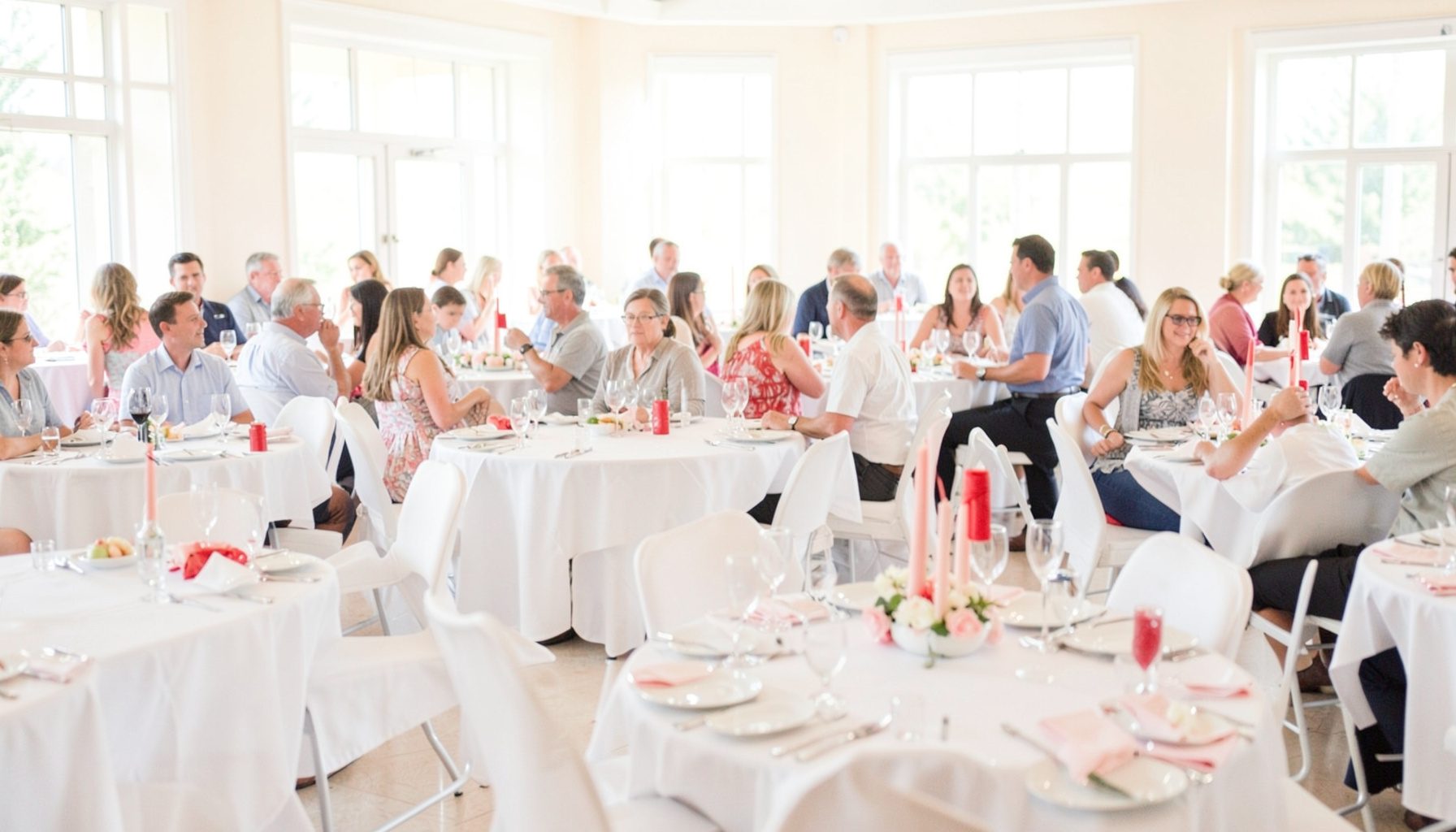
A hall accommodating up to 300 people is available for rentals. Contact Risto Trifunovski at 905-426-5355 for inquiries.
Prayers & Resources
Access the Lord's Prayer, the Nicene Creed, and prayers to the Mother of God — foundational texts of the Orthodox faith.
Kids' Corner
Resources and activities for the youngest members of our parish community.
Executive Board
Learn about the parish leadership and the dedicated volunteers who guide our church community.
Office & Contact Info
Parish Priest
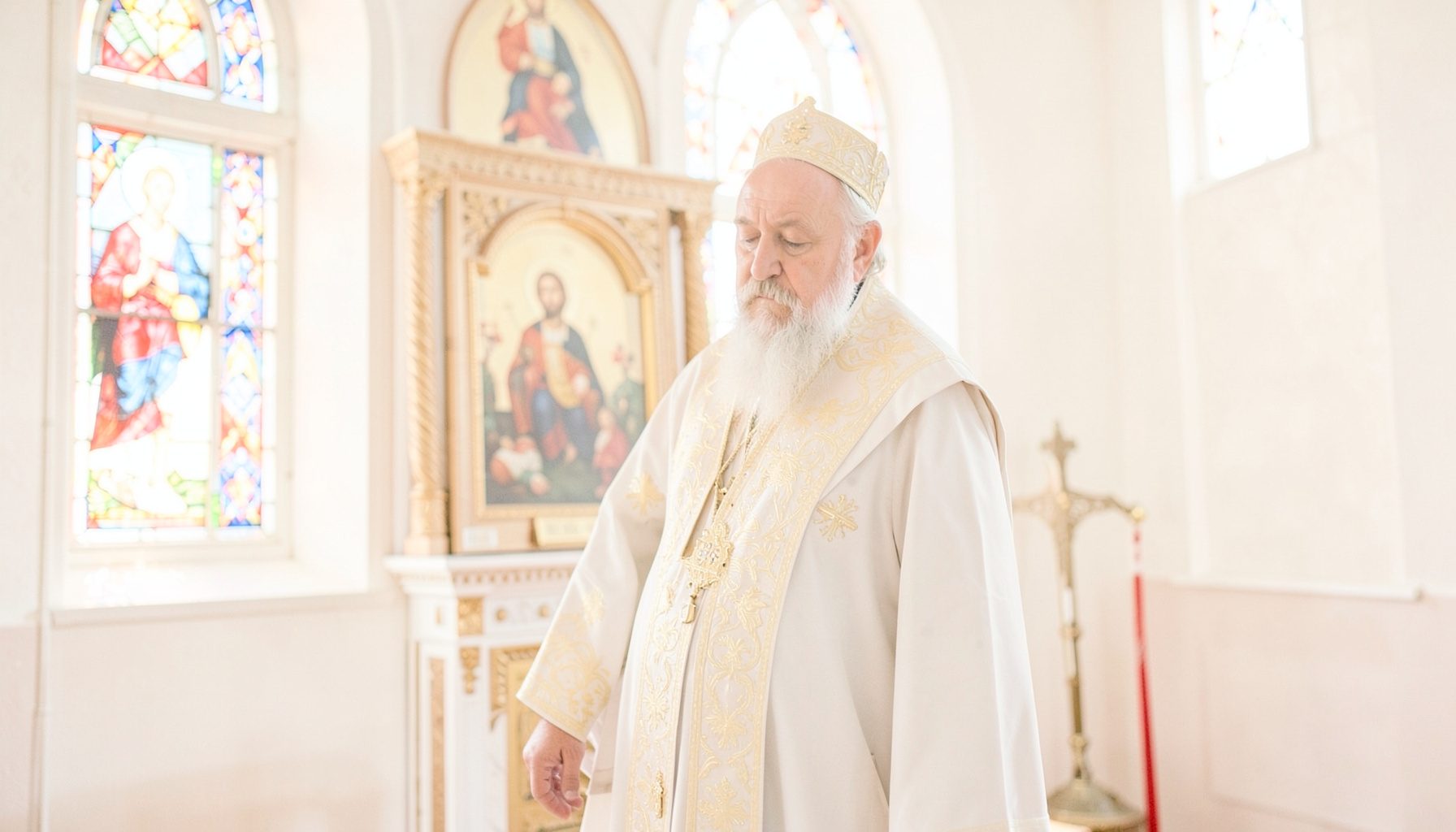
For religious or spiritual matters, contact Rev. Blage Dimitrievski at 416-568-4717 or blaged@stnedela.com.
Administration
Contact Secretary Helen Damtsis at 905-426-5355 for administrative inquiries.
Location & Hours
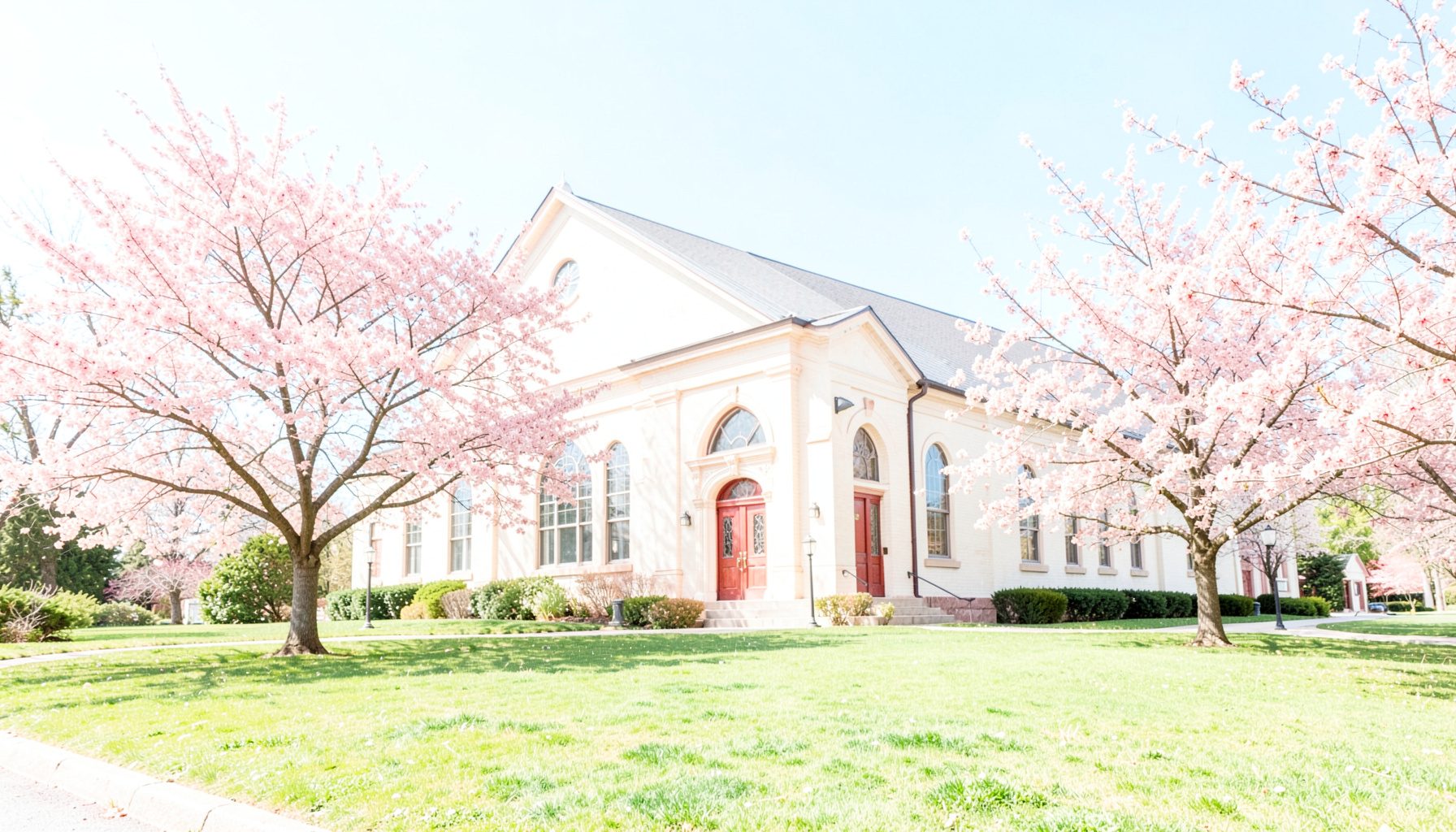
485 Bayly Street West, Ajax, Ontario, L1S 6M7
Open daily except Mondays, 10 a.m. – 4 p.m.
Insights & Articles
How to Settle Monthly Credit Payments During Unemployment
Guidance on handling loan repayments when facing job loss, including optional credit insurance for unemployment coverage.
Repayment of Loan Insurance
An overview of credit insurance for mortgages and loans, and how to opt out of insurance and recover premiums in certain situations.
What the Bible Says About Celebrating Christmas
A biblical exploration of Christmas celebrations, reflecting on scriptural perspectives regarding the holiday.
Gallery
Images from parish life, services, and community events at St. Nedela.