Warm white versus cool white Christmas lights for Australian homes
Picking the right Christmas lights shapes the entire feel of a festive display, yet most shoppers underestimate how much the shade of white can transform a space. Warm white bulbs radiate a soft, golden glow reminiscent of candlelight and traditional hearths, while cool white bulbs emit a crisp, bluish tone that feels modern and bright. The decision matters even more in Australia, where Christmas arrives in the middle of summer and lighting has to work harder against long daylight hours, harsh UV exposure and unpredictable evening weather.
Australian homes also tend to favour open-plan living areas that flow onto outdoor entertaining zones, which means lights often have to perform double duty. A set that looks magical in a Melbourne lounge room might appear washed out on a Brisbane patio, and a tone that flatters a ham bone in Hobart could clash with the rendered brick of a Perth façade. Understanding the practical differences between the two main white options helps households in every state and territory create a cohesive look without wasting money on the wrong bulbs.
Understanding colour temperature in Christmas lighting
Colour temperature is measured in kelvins and describes how warm or cool a light appears to the human eye, regardless of the actual heat it produces. Lower kelvin numbers translate to warmer, more amber tones, while higher numbers push towards a bluish-white spectrum. Traditional incandescent Christmas bulbs usually sit somewhere between 2200K and 2700K, which is why they have that nostalgic, slightly orange glow. Modern LEDs are manufactured in a wide range of temperatures, and the labelling on packaging can be confusing for first-time buyers.
Warm white LEDs typically range from 2200K to 3000K, producing a hue that pairs naturally with timber floors, leather furniture and earthy colour schemes. They complement traditional decorations like brass baubles, wooden ornaments and red velvet ribbons. Cool white LEDs start around 4000K and can climb beyond 6000K for what is often marketed as daylight or ice white lighting. These brighter temperatures suit minimalist interiors, contemporary artwork and spaces with lots of white, grey or black accents.
The science behind these differences is relatively straightforward, but the visual impact is anything but subtle. A room lit entirely with warm white at 2700K feels intimate and welcoming, almost like the inside of a bakery at night. Switch to 5000K and the same room suddenly resembles a gallery or a hospital corridor. For Australian households renovating towards Hamptons-style, coastal or contemporary farmhouse aesthetics, the choice between these two temperatures often decides whether the Christmas display feels cohesive or jarring.
Mood, atmosphere and room-by-room application
Warm white lights create an emotional shorthand for cosiness, tradition and family gathering, which is why they have dominated Christmas décor for generations. In a formal dining room set for Christmas lunch, they soften faces and make food look more appetising, flattering everything from a glazed ham to a pavlova. They also tend to disguise the dust and needle drop from a real Christmas tree, which is useful in homes with open fireplaces or polished concrete floors. For households in colder regions like Canberra, Ballarat or the Adelaide Hills, warm white reinforces the illusion of a Northern Hemisphere winter, even when the mercury is climbing outside.
Cool white lights work best in modern, light-filled spaces where clarity matters more than warmth. They are a popular choice for Scandinavian-inspired interiors, coastal homes with whitewashed walls and apartments with concrete or marble finishes. Outdoor entertaining areas also benefit from cool white illumination, particularly around pools, outdoor kitchens and barbecue zones where safety and visibility take priority. In a Brisbane or Gold Coast home, cool white LEDs can make a tiled patio feel like a resort, while warm white might make the same space feel overly yellow against summer foliage.
The middle ground is worth considering too. Many Australian retailers now stock neutral white LEDs in the 3500K to 4000K range, which sit between the two extremes. These can be a good compromise for households who entertain outdoors and indoors and want a single set of lights to work in both contexts. They also photograph well, which matters for families who share festive images on social media or send printed cards to relatives overseas.
Climate, sun exposure and outdoor displays in Australia
Australian summers are uniquely challenging for outdoor Christmas lighting, and the colour temperature you choose can affect how the display holds up over the festive season. UV radiation in cities like Perth, Adelaide and inland Queensland is intense enough to degrade plastic bulb casings and discolour wire insulation within a single season, particularly on south-facing walls that receive reflected light. Cool white LEDs generally use the same housing materials as warm white, but the brighter output can make any yellowing or fading more obvious as the bulbs age.
Heat is another factor. LEDs run cooler than old incandescent globes, but in a roof cavity or under a tin verandah, ambient temperatures in December can push components beyond their rated operating range. This is a common cause of early failure in lights installed in western Sydney, the western suburbs of Melbourne and the sunbaked streets of suburban Darwin. Choosing bulbs with a high IP rating, at least IP44 for general outdoor use and IP65 for exposed areas, helps regardless of whether you select warm or cool tones. Households wanting to dig deeper into safe outdoor electrical setups can find practical guidance through specialist electrical safety resources before they start climbing ladders.
Bushfire-prone regions across Victoria, New South Wales, South Australia and Western Australia also need to consider ember attack and radiant heat. Standards Australia has published guidance for festive lighting in bushfire-prone areas, and some local councils require lights to meet AS/NZS 60598 for outdoor use. Warm white bulbs tend to be favoured in these regions because their lower colour temperature mimics the softer light of dawn and dusk, creating a less harsh contrast with the natural landscape.
Energy use, safety standards and Australian regulations
Australian households operate on 230 to 240 volts at 50 hertz, and any imported lighting must comply with Australian electrical safety standards before it can be sold locally. Genuine LED Christmas lights from reputable Australian retailers will carry the Regulatory Compliance Mark, indicating they meet the relevant AS/NZS standards for electrical safety and electromagnetic compatibility. Cheap, unbranded imports purchased from overseas marketplaces may not meet these requirements and can pose genuine fire and electrocution risks, particularly when used outdoors.
Energy efficiency is another practical consideration. A typical string of 100 warm white LEDs uses roughly 8 to 10 watts, while the equivalent cool white string uses a similar amount, because the colour temperature has only a marginal effect on energy consumption. The bigger savings come from switching from incandescent to LED, which can reduce lighting electricity use by up to 80 per cent. For households on time-of-use tariffs in states like Victoria and New South Wales, running displays in the evening rather than during peak afternoon periods can also reduce running costs.
Outdoor installations must be protected by a Residual Current Device, commonly known as a safety switch, and any connections should be kept well above ground level to avoid water ingress. This applies whether the lights are warm or cool white. For households in Queensland and the Northern Territory, where summer storms are common, weatherproof connectors and elevated cable runs are essential. Local councils in major cities including Sydney, Melbourne and Brisbane have specific guidelines about illuminating footpaths and street-facing displays, and these are worth checking before installing large outdoor setups.
Matching lights to trees, ornaments and colour schemes
The choice between warm and cool white becomes much easier once the broader decorating scheme is decided. Traditional red, green and gold palettes work almost exclusively with warm white, as the golden tone enhances the richness of jewel-coloured baubles and ties in with the natural patina of brass or aged copper ornaments. Cool white would make the same red ornaments look pink and the greens look artificial. For households in suburbs with heritage homes, such as many parts of Adelaide, Sydney's inner west or Melbourne's eastern suburbs, this traditional pairing reinforces the period feel of the architecture.
Modern colour schemes built around metallics, pastels or monochrome designs pair better with cool white. Rose gold, silver and copper ornaments look crisp and contemporary under cool white, while blush pink and mint green decorations read as fresh and modern. White-themed trees, which have become increasingly popular in coastal homes from Byron Bay to Fremantle, almost demand cool white lighting to maintain the icy, wintery effect. Warm white would muddy the look and make the whites look creamy or off-white.
For those who want to mix the two, layering is the safest approach. Warm white fairy lights woven through the tree itself create a soft, glowing centre, while cool white net lights or icicle strands on the surrounding architecture provide definition and brightness. This technique is popular in larger homes in regional centres like Toowoomba, Launceston or Tamworth, where the indoor tree and the outdoor display can be styled separately without competing. Browsing a festive decorating specialist can spark ideas for layered schemes when the usual templates start to feel predictable.
Practical shopping, storage and long-term value
Australian shoppers can find quality Christmas lights at most major retailers including Bunnings, Spotlight, Big W and Kmart, as well as specialty stores and online specialists. Comparing specifications is easier when you know what to look for: kelvin rating, lumen output, IP rating, LED count per metre and warranty length are all worth checking. Many buyers also look for connectable systems, which allow multiple strings to run from a single power point, a feature that suits larger homes and sprawling gardens.
For those starting from scratch or replacing an ageing set, browsing a dedicated Christmas lighting catalogue can help narrow down options before visiting a store. Once the lights are chosen, planning the layout with attention to cable runs, transformer locations and the position of outdoor power points ensures the display is balanced and the cabling is safe.
Storage matters as much as the initial purchase. LEDs last longer when coiled loosely in a cardboard box rather than wrapped tightly around a plastic holder, which can stress the solder joints. Keeping the original packaging and storing the lights in a cool, dry place away from direct sunlight extends their lifespan considerably. With reasonable care, a good set of LEDs should last at least ten festive seasons, making the per-year cost surprisingly low and far cheaper than replacing incandescent strings every few years.
Comparing warm white and cool white at a glance
| Feature | Warm white | Cool white |
|---|---|---|
| Typical colour temperature | 2200K to 3000K | 4000K to 6000K+ |
| Visual character | Soft, golden, candlelit | Crisp, bright, icy |
| Best for traditional décor | Excellent | Poor |
| Best for modern or minimalist décor | Fair | Excellent |
| Outdoor visibility in daylight | Lower | Higher |
| Energy use per 100 LEDs | Around 8 to 10 watts | Around 8 to 10 watts |
| UV resistance considerations | Standard housing | Standard housing |
| Bushfire-prone area suitability | Generally preferred | Acceptable with care |
| Average lifespan (LED) | 20,000 to 50,000 hours | 20,000 to 50,000 hours |
| Typical price per 100-LED string (AUD) | $12 to $35 | $12 to $35 |
The comparison makes it clear that the technical specifications are nearly identical, which means the decision is really about aesthetics and context rather than performance. Australian households decorating for a traditional, candlelit Christmas in a heritage home will almost always prefer warm white, while those styling a contemporary coastal property or a bright outdoor entertaining area will lean towards cool white. The good news is that neither choice is wrong, and many families eventually end up using both, warm tones inside for cosiness and cool tones outside for visibility and safety.
Our Parish & Services
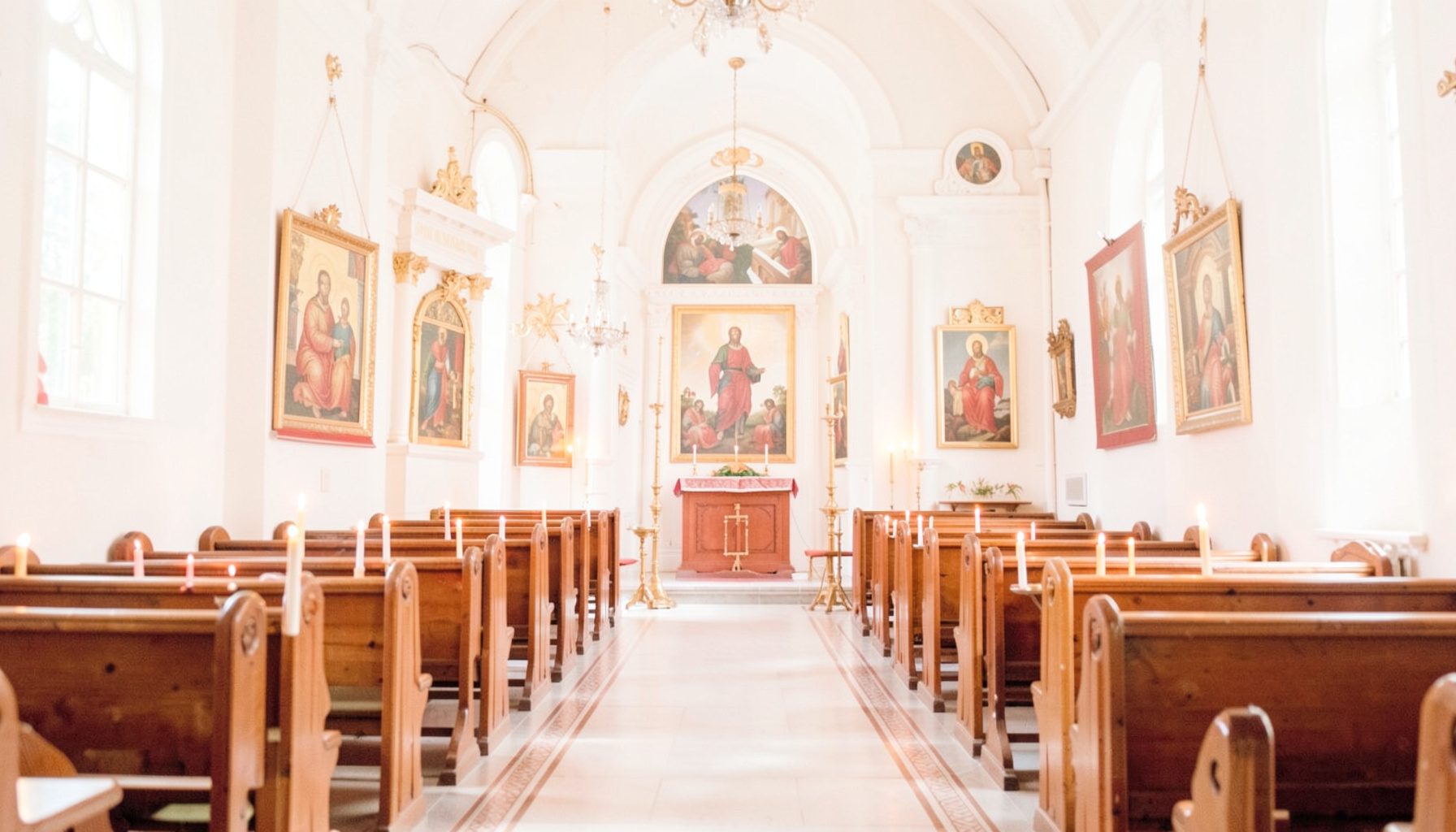
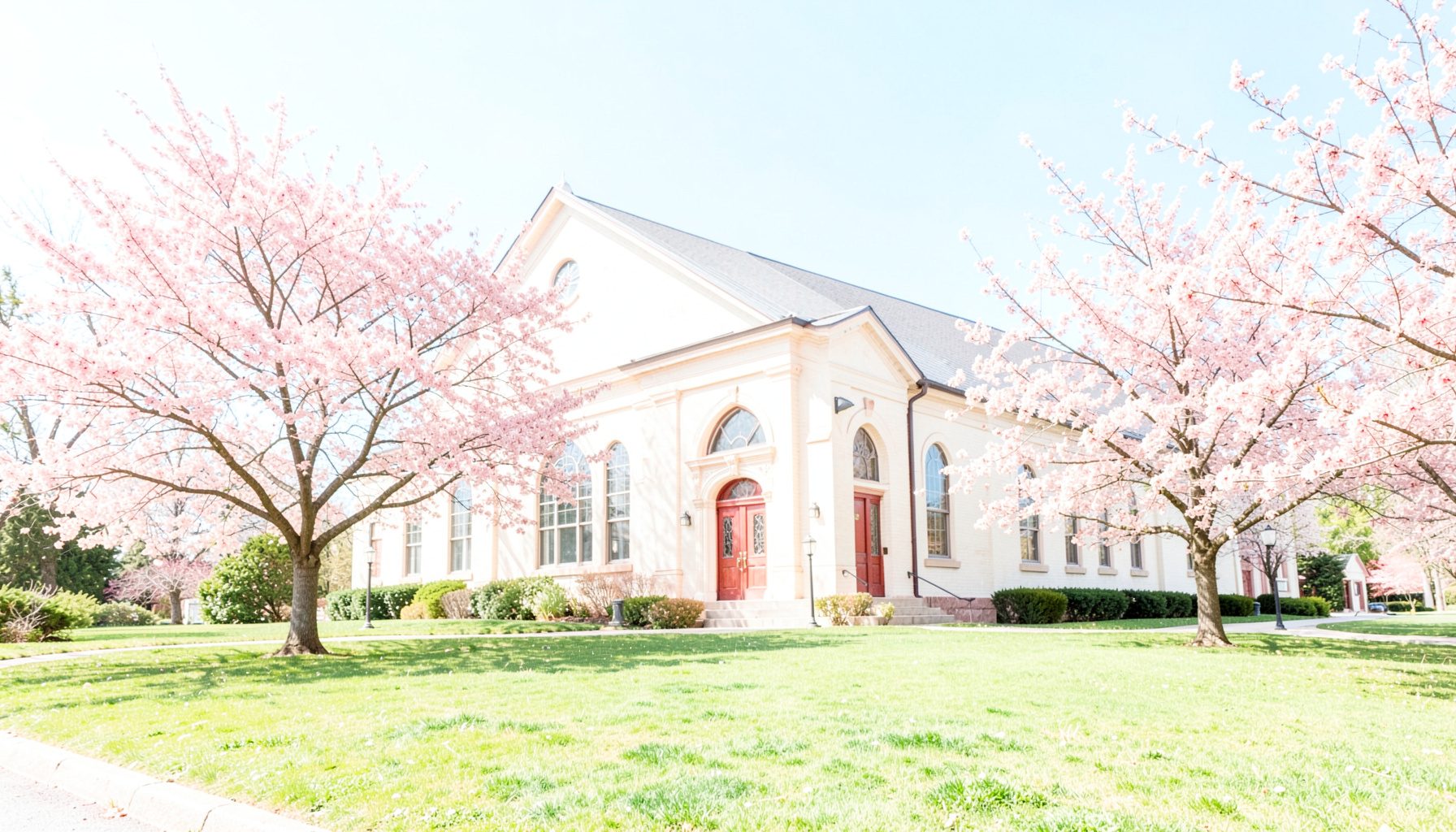
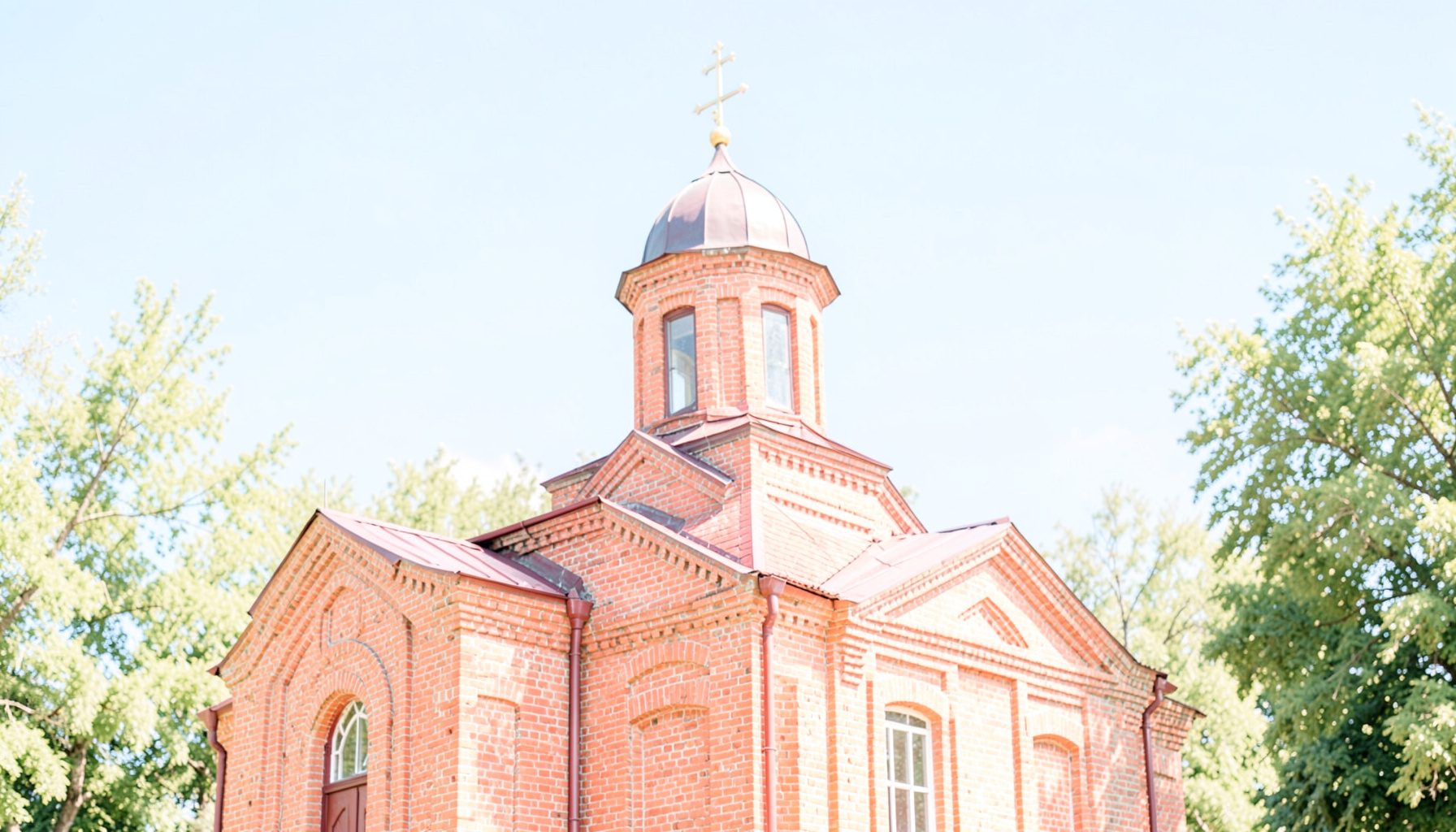
St. Nedela serves the Macedonian Orthodox community in Ajax and the surrounding region with regular worship, pastoral care, and facilities for gatherings.
Sunday Worship
Divine Liturgy every Sunday at 10 a.m. All are welcome to attend and participate in the life of the parish.
Services & Price List
Information on regular services, Easter schedules, and price lists is available through church administration or on the bulletin board in the hallway.
Banquet Hall
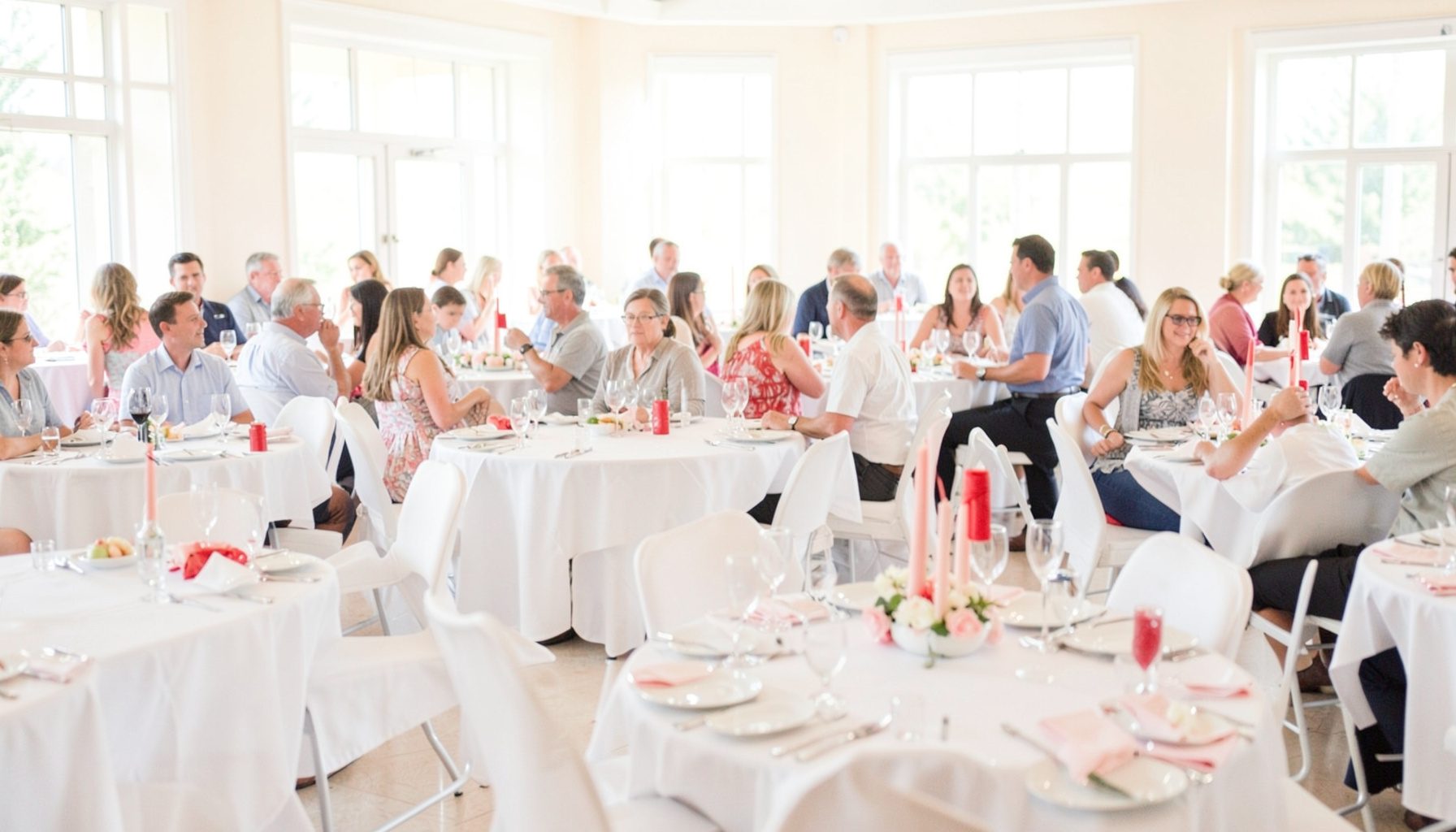
A hall accommodating up to 300 people is available for rentals. Contact Risto Trifunovski at 905-426-5355 for inquiries.
Prayers & Resources
Access the Lord's Prayer, the Nicene Creed, and prayers to the Mother of God — foundational texts of the Orthodox faith.
Kids' Corner
Resources and activities for the youngest members of our parish community.
Executive Board
Learn about the parish leadership and the dedicated volunteers who guide our church community.
Office & Contact Info
Parish Priest
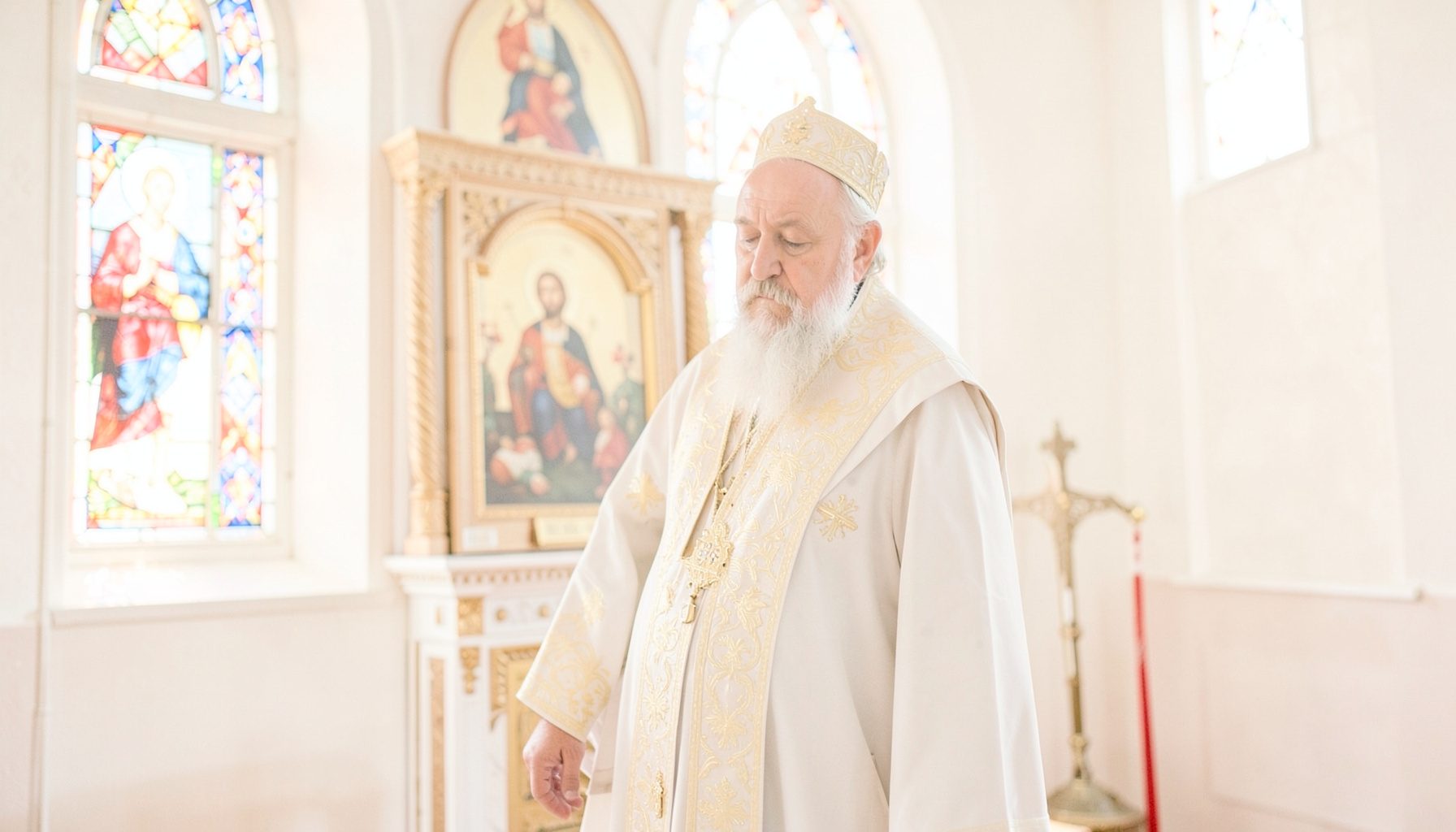
For religious or spiritual matters, contact Rev. Blage Dimitrievski at 416-568-4717 or blaged@stnedela.com.
Administration
Contact Secretary Helen Damtsis at 905-426-5355 for administrative inquiries.
Location & Hours
485 Bayly Street West, Ajax, Ontario, L1S 6M7
Open daily except Mondays, 10 a.m. – 4 p.m.
Insights & Articles
How to Settle Monthly Credit Payments During Unemployment
Guidance on handling loan repayments when facing job loss, including optional credit insurance for unemployment coverage.
Repayment of Loan Insurance
An overview of credit insurance for mortgages and loans, and how to opt out of insurance and recover premiums in certain situations.
What the Bible Says About Celebrating Christmas
A biblical exploration of Christmas celebrations, reflecting on scriptural perspectives regarding the holiday.
Gallery
Images from parish life, services, and community events at St. Nedela.