Caring for a Live Christmas Tree in an Australian Home
A live Christmas tree can mean either a freshly cut tree or a potted tree with roots still attached. The distinction matters: a cut tree is intended to last through the festive season, while a potted specimen may survive for years if its roots, soil, and growing conditions are handled properly. Both need careful placement, regular moisture checks, and protection from Australia’s summer heat.
Fresh-cut trees are often sold at local markets, garden centres, specialist Christmas tree farms, and temporary roadside stalls from late November onwards. Common choices include radiata pine, pine varieties, firs, and cypress trees. A healthy tree should have flexible needles, a fresh scent, and branches that do not shed heavily when gently touched.
Australian homes create a particular maintenance challenge. A tree displayed in Sydney, Brisbane, Perth, or Adelaide may be exposed to warm afternoons, ceiling fans, reverse-cycle air conditioning, and strong sunlight through windows. Even cooler Melbourne or Canberra rooms can become dry when heating runs for several hours, so a watering routine should be based on the room’s conditions rather than the calendar alone.
Before buying, measure the ceiling height and the width of the intended display area. Leave room for the stand, a tree topper, presents, and a safe distance from curtains or furniture. If household spending is tight during December, a budget planning guide can help separate the cost of the tree from stands, lights, decorations, and disposal fees.
| Feature | Fresh-cut tree | Potted living tree |
|---|---|---|
| Expected use | One festive season | Potentially reusable for several years |
| Main moisture need | Frequent water in the stand | Evenly moist potting mix |
| Best location | Cool indoor area away from heat | Bright, sheltered spot with limited indoor time |
| Common warning sign | Dry needles and a dropping water level | Wilting foliage, hot roots, or waterlogged soil |
| After Christmas | Recycle through approved green waste | Gradually return outdoors and continue plant care |
Choosing And Preparing The Tree
Inspect a cut tree before bringing it home. Run a hand lightly along a branch and look for excessive needle loss. A small amount of shedding is normal, but brittle branches, dull foliage, mould, or a dry trunk indicate that the tree may already be dehydrated. Ask when it was harvested and whether it has been stored under shade or misted regularly.
The trunk should fit the stand without being shaved down. Removing outer wood can reduce the tree’s ability to absorb water, since the active water-conducting tissue lies close to the surface. If the base has been exposed for several hours, make a fresh, straight cut of roughly 1–2 centimetres immediately before placing it in water. Do not use a wedge-shaped cut or drill holes into the trunk.
A potted tree requires a different inspection. Check that roots are established rather than recently pushed into a decorative container, and look for firm foliage without widespread browning. A lightweight plastic nursery pot inside a waterproof cover is usually safer than a heavy ceramic pot that may be difficult to move once watered. The container must have drainage holes, even if they are hidden inside an outer pot.
Transport the tree with its branches wrapped loosely in a sheet or netting. Secure it firmly on a roof rack or inside a vehicle without crushing the foliage. Never leave a tree in a parked car, particularly in Queensland, Western Australia, or South Australia, where an enclosed vehicle can heat rapidly within minutes.
Building A Reliable Watering Routine
Place a fresh-cut tree in a sturdy stand as soon as possible after making the new cut. Fill the reservoir immediately, then check it at least twice daily for the first few days. A thirsty tree can absorb a surprising amount of water at the beginning, and the cut end must remain submerged at all times. If the reservoir empties, the base may seal over and absorb water poorly.
Plain tap water is sufficient. Commercial preservatives, sugar, soft drinks, bleach, and aspirin are unnecessary and may damage the tree or encourage bacterial growth. Keep the reservoir clean by wiping away fallen needles and topping up with fresh water. A funnel or narrow watering jug makes the job easier when presents and branches limit access.
For a potted tree, test the top few centimetres of potting mix with a finger each day. Water slowly until a little drains from the bottom, then empty any water sitting in the decorative cover or saucer. Constantly saturated soil can suffocate the roots, while a completely dry root ball may pull away from the pot and become difficult to rehydrate.
Watering needs increase near heaters, air-conditioner outlets, sunny windows, and fireplaces. Australia’s official summer water restrictions differ between states and local councils, but indoor plant watering is generally manageable when water is used carefully. Do not allow conservation habits to leave a cut tree dry; use a measured jug, prevent spills, and reuse suitable clean water for garden plants where local guidance permits.
Trimming And Positioning For Freshness
Trim away damaged or awkward lower branches before decorating, using clean secateurs. Make small cuts rather than removing large limbs, since a heavy pruning job can leave the tree unbalanced and increase moisture loss. For a potted tree, avoid major shaping while it is indoors and actively coping with a changed environment.
Choose the coolest practical position in the room. Keep the tree away from direct afternoon sun, wood heaters, radiators, fireplaces, kitchen ovens, and strong heating or cooling vents. A stable corner with gentle ambient light is usually better than a bright window. Leave clearance around the stand so that watering does not wet power boards, flooring, or wrapped gifts.
If the tree is tall or placed where children and pets pass, secure it with discreet fishing line or a commercial stabilising kit attached to a solid wall point. A broad, level stand reduces the risk of tipping. Cats may climb branches, while dogs can knock over a narrow stand, so positioning is part of both tree care and household safety.
When deciding between a real and artificial display, a real and artificial tree comparison can clarify the differences in upkeep, storage, longevity, and end-of-season disposal. A cut tree offers natural fragrance, but it needs daily attention in a warm Australian home.
Managing Lights, Heat, And Fire Risk
Use low-heat LED lights and inspect every cord, plug, socket, and connection before installation. Discard sets with frayed insulation, cracked sockets, exposed wires, or signs of overheating. Products sold for use in Australia should carry appropriate electrical compliance markings, such as the Regulatory Compliance Mark where applicable, and must be used according to the manufacturer’s instructions.
Do not overload power boards or connect too many light strings together. Keep electrical connections off the floor and away from the watering area. Turn lights off before leaving home and before sleeping. This is especially important with a drying cut tree, whose needles become increasingly flammable as moisture declines.
Fire and Rescue NSW, CFA Victoria, Queensland Fire and Emergency Services, and other state authorities regularly warn households to keep Christmas trees away from ignition sources and to maintain working smoke alarms. Australian smoke-alarm requirements vary by state and territory, so check the rules applying to the home rather than relying on advice from another jurisdiction. A tree should never block an exit, hallway, balcony door, or access to a fire extinguisher.
Check the foliage each morning for heat stress. Drooping branches, brittle needles, a dry fragrance, and a stand that no longer holds water indicate that the tree is deteriorating. Remove lights and decorations if the tree becomes very dry, and take it outside for disposal rather than keeping it indoors until New Year’s Day.
Caring For The Tree After Christmas
A potted tree should not be moved abruptly from an air-conditioned living room into hot midday sun. Over several days, shift it to a bright, sheltered outdoor position, such as a covered patio, while continuing to protect the root ball from drying out. Some species sold as Christmas trees are not suited to long-term life indoors, so follow the nursery’s advice about sunlight, climate, pot size, and eventual planting.
When replanting, choose a site with enough room for mature growth and soil that drains freely. Water deeply after planting, add a suitable mulch layer without touching the trunk, and monitor the foliage during the first summer. In smaller gardens or balconies, repotting may be more practical, but a root-bound tree will eventually need a larger container.
A cut tree should be stripped of tinsel, hooks, plastic wrap, and every electrical item before disposal. Many Australian councils offer seasonal drop-off points or green-waste collection, while some accept trees only if they are cut into shorter lengths. Council rules differ across metropolitan Sydney, Melbourne suburbs, Brisbane, and regional areas, so check the local waste service before placing the tree beside the bin.
Branches can be chipped for mulch where permitted, but do not burn a dry Christmas tree in a backyard fire. Dry needles ignite quickly and may breach local fire restrictions. For households looking for reusable festive activities, holiday project ideas can provide inspiration for handmade decorations, storage solutions, and lower-waste displays for the following season.
Our Parish & Services
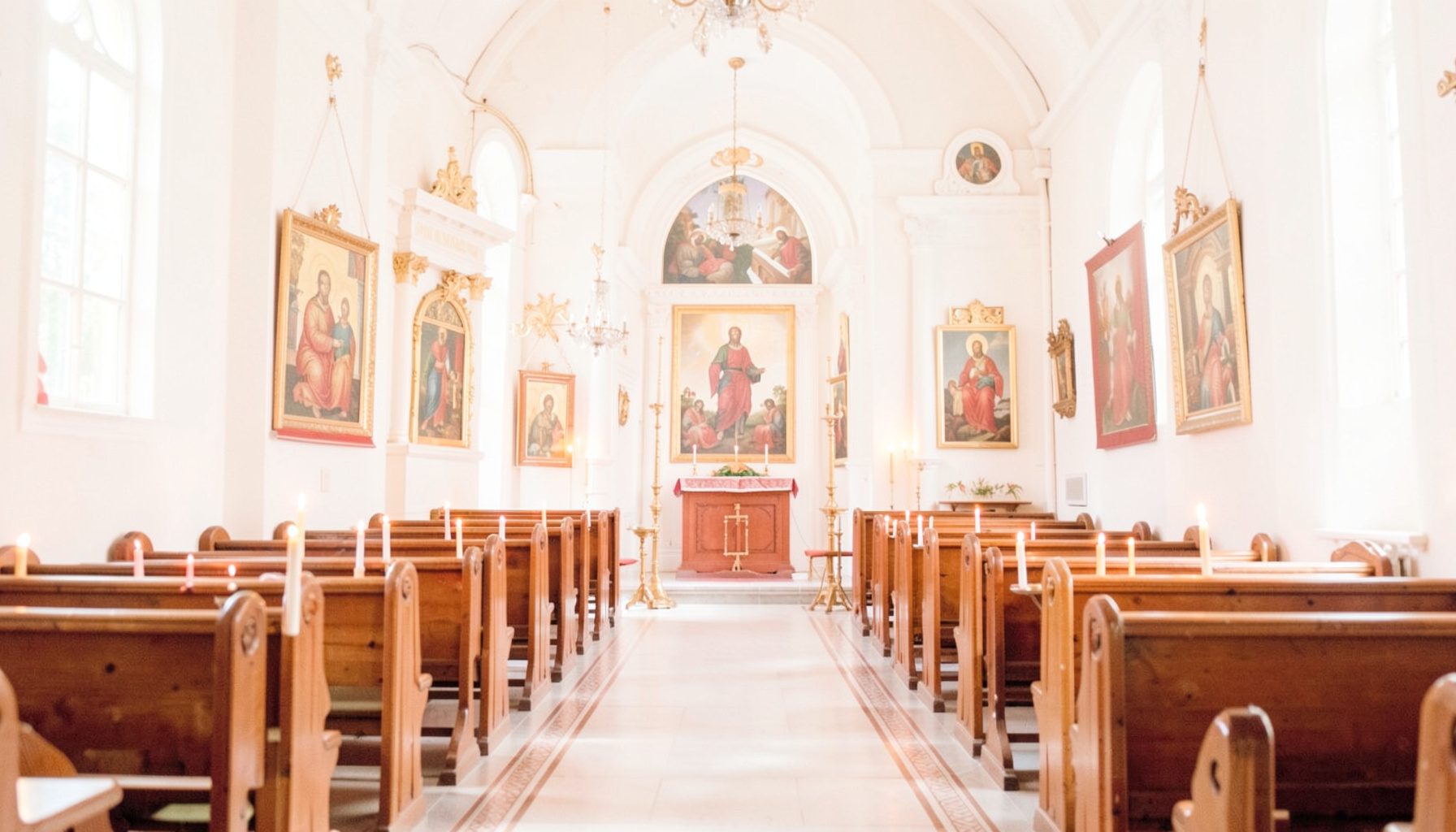
St. Nedela serves the Macedonian Orthodox community in Ajax and the surrounding region with regular worship, pastoral care, and facilities for gatherings.
Sunday Worship
Divine Liturgy every Sunday at 10 a.m. All are welcome to attend and participate in the life of the parish.
Services & Price List
Information on regular services, Easter schedules, and price lists is available through church administration or on the bulletin board in the hallway.
Banquet Hall
A hall accommodating up to 300 people is available for rentals. Contact Risto Trifunovski at 905-426-5355 for inquiries.
Prayers & Resources
Access the Lord's Prayer, the Nicene Creed, and prayers to the Mother of God — foundational texts of the Orthodox faith.
Kids' Corner
Resources and activities for the youngest members of our parish community.
Executive Board
Learn about the parish leadership and the dedicated volunteers who guide our church community.
Office & Contact Info
Parish Priest
For religious or spiritual matters, contact Rev. Blage Dimitrievski at 416-568-4717 or blaged@stnedela.com.
Administration
Contact Secretary Helen Damtsis at 905-426-5355 for administrative inquiries.
Location & Hours
485 Bayly Street West, Ajax, Ontario, L1S 6M7
Open daily except Mondays, 10 a.m. – 4 p.m.
Insights & Articles
How to Settle Monthly Credit Payments During Unemployment
Guidance on handling loan repayments when facing job loss, including optional credit insurance for unemployment coverage.
Repayment of Loan Insurance
An overview of credit insurance for mortgages and loans, and how to opt out of insurance and recover premiums in certain situations.
What the Bible Says About Celebrating Christmas
A biblical exploration of Christmas celebrations, reflecting on scriptural perspectives regarding the holiday.
Gallery
Images from parish life, services, and community events at St. Nedela.