Your potted Christmas tree after the holidays
Christmas in Australia arrives in summer, so the first weeks after 25 December can be hotter than the weeks that led up to the celebrations. A living potted evergreen needs a different recovery plan from a cut tree: its roots are still active, and a sudden move from a cool room into intense sun can scorch both foliage and roots. Learn more about How To Coordinate Your Christmas Tree With Your Home S Decor 307648.
Keeping the pot on a stand with a waterproof tray protects flooring and makes watering easier. Once the ornaments come down, resist the urge to keep the plant in that display position until it fades. Instead, restore a balanced routine of light, moisture and feeding, then decide whether the tree will stay in its pot, move outdoors or become a gift.
The goal is not to preserve a perfect Christmas snapshot. A little leaf loss is normal after a heated indoor stay, but yellowing, dry branches or persistently wet soil need attention. With sensible care, a well-rooted potted Christmas tree can brighten a verandah, courtyard or sunny room for years.
Move it gently into brighter conditions
Acclimatise the plant in stages. For the first week outside, give it bright shade rather than direct afternoon sun, then increase exposure over another week or two. A tree moved from indoors often has pale, tender growth. Leaves that look bleached, crisp or limp are signs that the change was too fast, and the plant may need another week under cover.
Choose a sheltered position with good airflow and enough room for the pot. An east-facing verandah or bright courtyard works well for many potted conifers, while a position beside a sunny window suits indoor specimens. In Melbourne, early-summer heat and drying winds can punish an exposed plant; in Brisbane, bright filtered light and protection from heavy afternoon rain are generally kinder.
Watch the forecast and move the container before a hot, windy day rather than after the damage appears. Raise it on feet if heavy rain collects beneath it, but keep foliage away from a wall. Clean the leaves gently with lukewarm water and allow them to dry fully before returning the plant to its spot.
Water the root ball, not the calendar
Check the potting mix instead of watering by habit. Push a finger about two to three centimetres below the surface; if it feels dry, water slowly and evenly until some drains from the base. Repeat after a short pause if the first pour runs down the sides without wetting the root ball.
Empty any water left in the outer pot or saucer after ten to fifteen minutes. Constantly submerged roots lose oxygen, which encourages root rot and fungus gnats. Confirm that the drainage holes remain open, clear compacted soil from them and lift the inner pot slightly above the saucer. Mulch the surface lightly, keeping it clear of the trunk.
Choose a tree stand, decorative collar or skirt that catches drips without holding water against the pot. This comparison of tree collars versus skirts explains how each option handles needles, runoff and the pot rim.
Use rain collected when local rules allow, and adjust the schedule to local conditions. Sydney households may be subject to water-use rules, so saved rainwater or early-morning watering can reduce stress without wasting treated water. Brisbane's humidity slows evaporation, but it does not make soggy soil safe; check the pot more often during humid weather.
Clear debris and check the plant
Inspect the lights before storing or reusing them. Frayed cables, loose plugs and missing bulbs need repair or replacement, and a string rated only for indoor use should stay indoors. For timer and lighting projects, Digijam project ideas offer a useful starting point, provided you still follow the manufacturer's instructions.
Vacuum loose needles from the pot, floor and nearby furniture, then wipe the branches and container with a damp cloth. Sweep away debris that could trap moisture against the trunk or encourage pests. Keep the area around the plant clean enough that you can inspect the soil, drainage holes and lower branches without moving heavy decorations.
Prune only dead or damaged growth with clean secateurs, leaving healthy foliage untouched. Look beneath the branches for scale, aphids or webbing, and isolate the plant if pests appear. Avoid spraying a stressed tree with strong chemicals; a hose, soft brush and careful hand removal are often enough for a small, accessible plant.
Refresh the soil and feed wisely
Replace the loose surface compost with fresh potting mix and apply a slow-release fertiliser at the label rate if the plant is actively growing. Do not double-feed a tree that is heat-stressed, wilting or dormant. Container plants exhaust nutrients quickly because each watering can leach some away, yet excess fertiliser can burn fine roots and encourage soft growth.
Check whether roots are circling densely through the drainage holes or pushing the pot sideways. If so, move the plant into a container only one size larger, tease crowded roots lightly and use a free-draining mix suited to the species. A sturdy potting bench makes this work easier; ideas for mixing countertop materials can guide a durable, easy-clean work surface.
Local garden centres and native nurseries are useful sources for both replacement plants and advice on species that will tolerate Australian conditions. Ask for a feed appropriate to your particular evergreen, since requirements differ between a Norfolk Island pine, a conifer and a broad-leaved festive plant. Keep the original label if you have it; it is more reliable than a generic product name.
Budget for the tree's next season
Plan storage before dismantling the display. Ornament boxes, tree lights and artificial foliage can be kept in labelled plastic containers away from dampness and summer heat. Give the live plant its own corner, because its needs will not match those of boxed decorations. A cardboard box in a hot garage can fade fabric, warp plastic and attract insects.
Separate genuine reuse from unnecessary spending. Keep the inner pot, stand, watering can and any serviceable ornaments, and donate a sound tree that no longer fits your space. If the tree was bought on lay-by, understand the terms before the next payment falls due; a guide to monthly credit repayments is useful when employment or household income changes.
Set a small Australian-dollar budget for soil, fertiliser and a replacement pot, then compare nursery prices before buying in a hurry. Buying a larger container early can leave the plant sitting in wet soil with unused space around the root ball. Measure the existing pot and the eventual site instead, and reuse what still serves its purpose.
Reuse decorations around the greenery
Turn the tree into a summer focal point instead of hiding it. Place it near a doorway, on a sheltered verandah or in a courtyard where the greenery provides contrast to outdoor entertaining. For festive lights kept outside, use only outdoor-rated fittings, secure cables away from foot traffic and switch them off when they are not needed.
Carry the colour palette into the surrounding space rather than clustering every decoration around the pot. Advice on tree and home decor can help you repeat the tree's colours in ribbons, cushions or a wreath. A restrained arrangement keeps the plant visible and prevents the display from looking crowded.
Remove fragile baubles and glass ornaments from outdoor positions, and reuse them indoors in a bowl or along a shelf. Ribbon can be repurposed for gift wrapping, while a durable tree skirt can become a protective garden mat. Each small reuse extends the life of the display without forcing the living plant to serve as a permanent Christmas set.
Plan the tree's next chapter
A long-term plan may include keeping the tree in a decorative pot, moving it to a larger permanent home or giving it to someone with suitable space. A Norfolk Island pine, for example, is not a reliable garden plant across much of southern Australia and is usually better kept container-grown. Do not plant a non-native evergreen into a bushland area without checking local environmental advice.
A live potted tree needs ongoing care; a cut tree and an artificial tree have sharply different end-of-holiday options. Compare those differences before choosing a disposal method or storage plan. The practical next step depends on whether the roots remain healthy, whether the branches are still growing and how much space you want the plant to occupy.
| Tree type | Condition after the holidays | Practical next step |
|---|---|---|
| Living potted evergreen | Roots remain active; foliage may need recovery from indoor conditions | Keep, repot, relocate or gift while continuing light, water and feeding |
| Freshly cut conifer | Cannot regrow roots and will dry or shed needles after removal | Recycle or compost only where local guidance permits |
| Artificial potted tree | Needs no water, although wiring, needles and fittings may age | Repair, store and reuse for future decorating |
Remove the tree from any indoor display before the heat of the day builds up, and establish a normal care routine that includes checking for pests. A tree allowed to recover, grow and stay useful is far more likely to survive the next Australian Christmas than one kept in a dry corner simply to preserve a temporary appearance.
Our Parish & Services
St. Nedela serves the Macedonian Orthodox community in Ajax and the surrounding region with regular worship, pastoral care, and facilities for gatherings.
Sunday Worship
Divine Liturgy every Sunday at 10 a.m. All are welcome to attend and participate in the life of the parish.
Services & Price List
Information on regular services, Easter schedules, and price lists is available through church administration or on the bulletin board in the hallway.
Banquet Hall
A hall accommodating up to 300 people is available for rentals. Contact Risto Trifunovski at 905-426-5355 for inquiries.
Prayers & Resources
Access the Lord's Prayer, the Nicene Creed, and prayers to the Mother of God — foundational texts of the Orthodox faith.
Kids' Corner
Resources and activities for the youngest members of our parish community.
Executive Board
Learn about the parish leadership and the dedicated volunteers who guide our church community.
Office & Contact Info
Parish Priest
For religious or spiritual matters, contact Rev. Blage Dimitrievski at 416-568-4717 or blaged@stnedela.com.
Administration
Contact Secretary Helen Damtsis at 905-426-5355 for administrative inquiries.
Location & Hours
485 Bayly Street West, Ajax, Ontario, L1S 6M7
Open daily except Mondays, 10 a.m. – 4 p.m.
Insights & Articles
How to Settle Monthly Credit Payments During Unemployment
Guidance on handling loan repayments when facing job loss, including optional credit insurance for unemployment coverage.
Repayment of Loan Insurance
An overview of credit insurance for mortgages and loans, and how to opt out of insurance and recover premiums in certain situations.
What the Bible Says About Celebrating Christmas
A biblical exploration of Christmas celebrations, reflecting on scriptural perspectives regarding the holiday.
Gallery
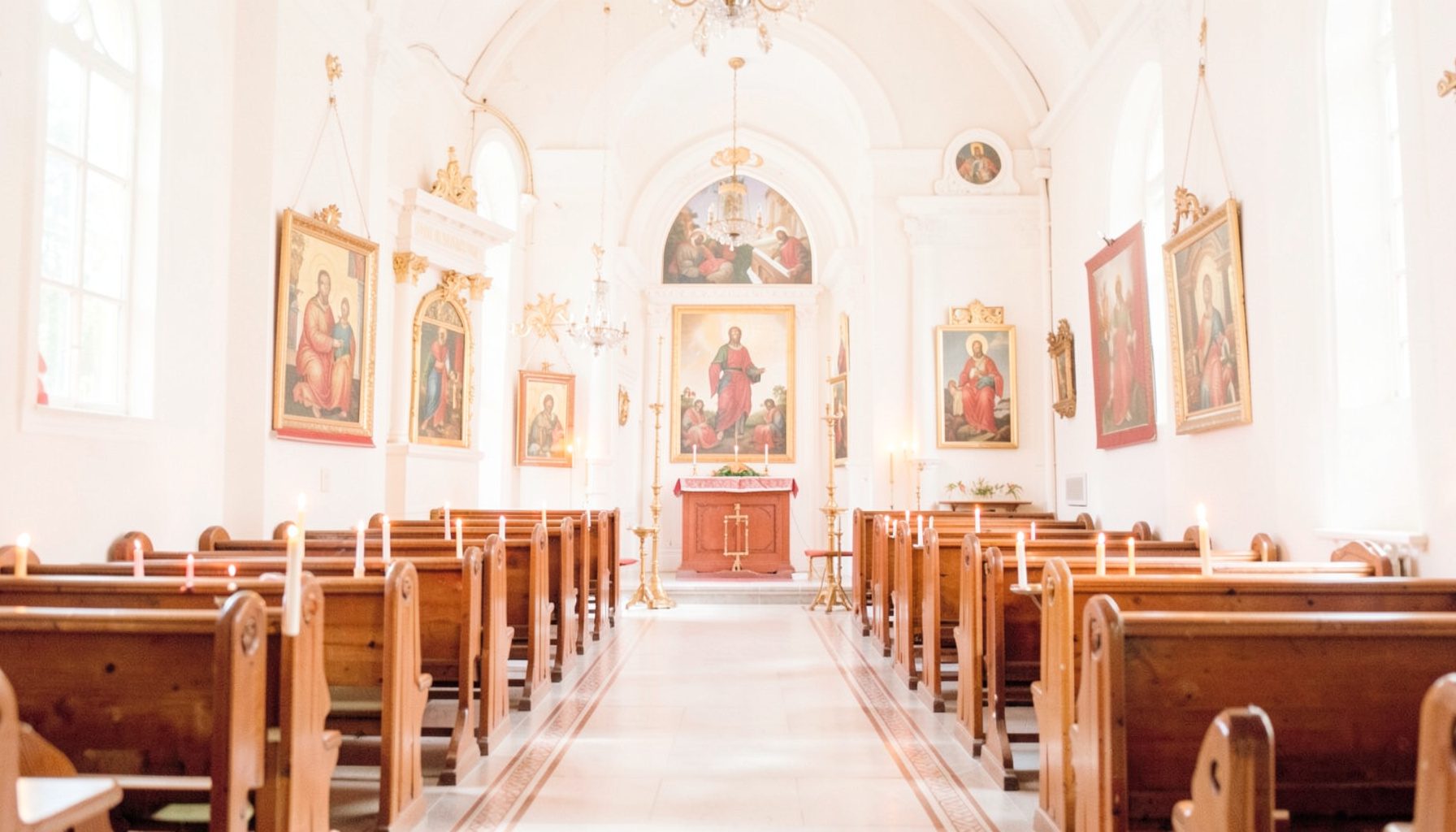
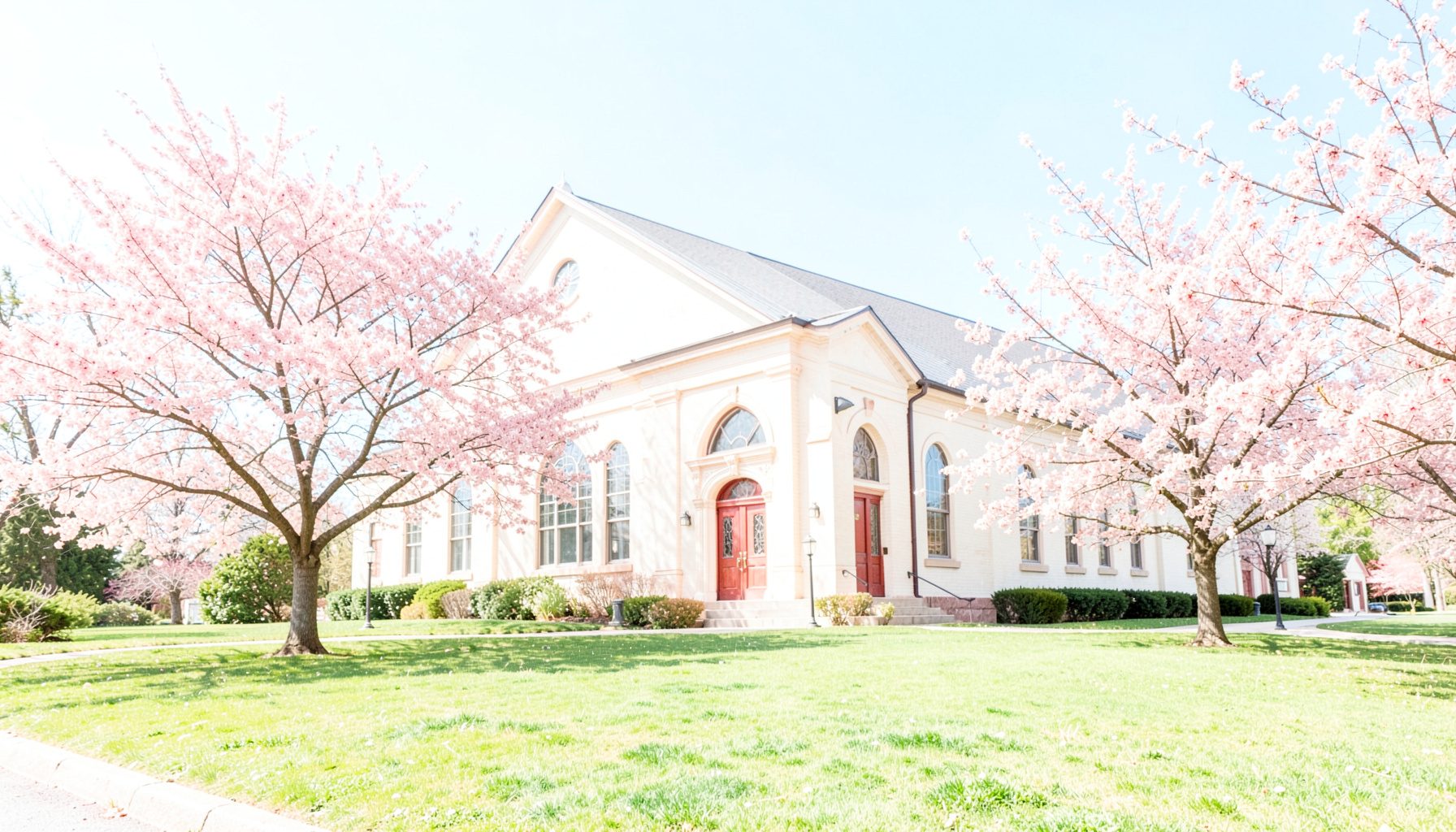
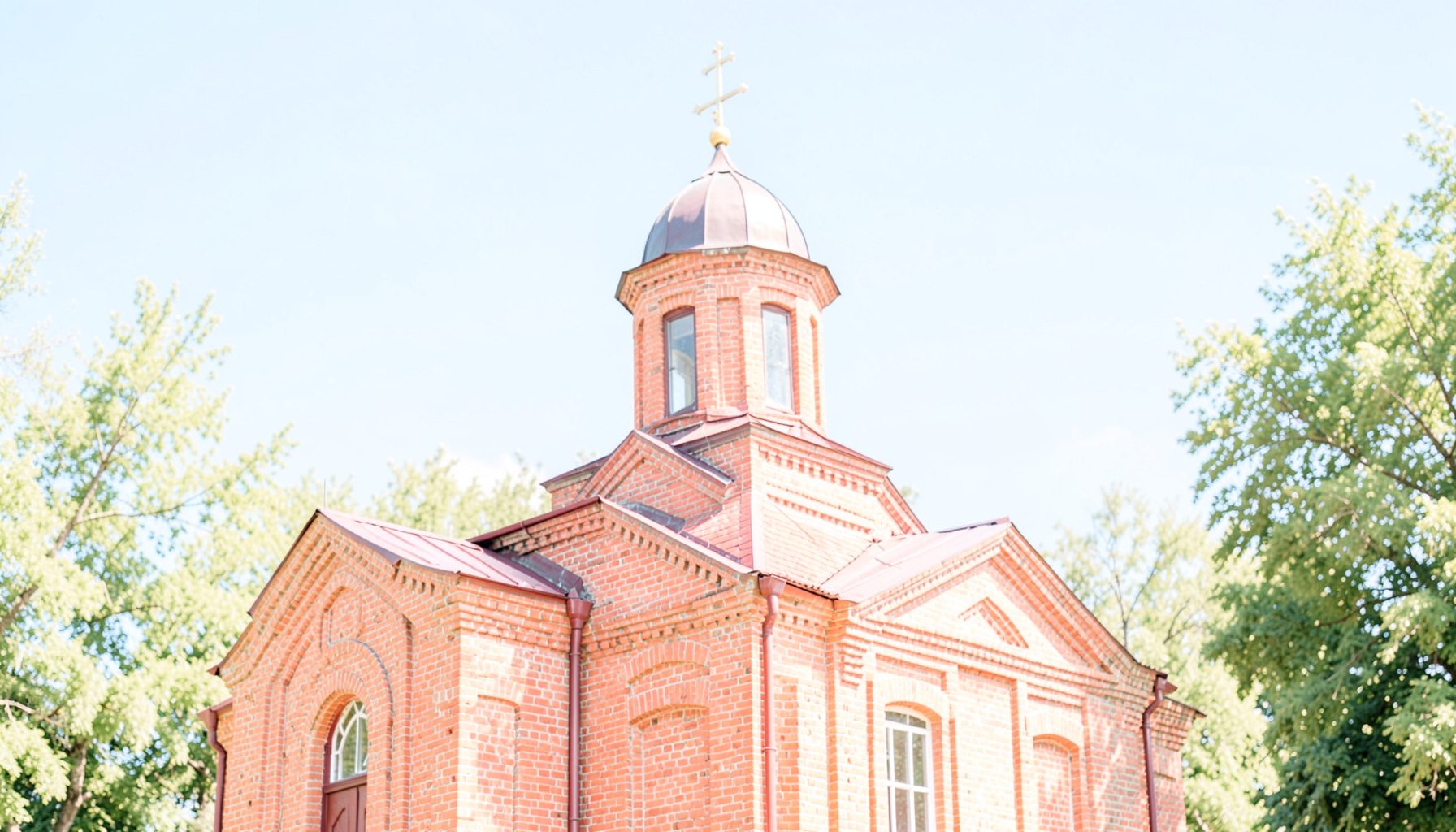
Images from parish life, services, and community events at St. Nedela.