Christmas Tree Alternatives for Small and Sunny Australian Homes
Every December, Australians haul out the same kit: a box of lights, a bag of baubles and a tree that has seen better summers. That ritual still works, but it suits fewer homes than it once did. In a country where Christmas falls in the middle of summer, where Sydney balconies bake at noon and plenty of families live in apartments without a spare corner, the classic floor tree is being joined by a growing family of alternatives.
The shift has been driven by practicalities rather than fashion alone. A slim profile tree takes up half the floor space of a full skirted model, a wall-mounted display frees an entire wall, and a ladder draped in lights needs little more than a metre of floor. All of them work in an average Aussie home, and most can be assembled, packed into a cupboard and reused next year without a trip to the tip.
Decorating trends tell the same story. Interior styling sites such as Coles Corner and Creations increasingly show flat-back trees layered with wreaths and baubles, while social feeds fill with timber ladder arrangements dressed in hessian and warm-white micro lights. The common thread is scale: decoration that reads unmistakably as Christmas from across the room without crowding the living area.
What follows is a look at the alternatives worth knowing, from wall trees and ladder trees to suspended greenery, slim and tabletop versions, and the material swaps that make a display feel distinctly Australian. Each section covers footprint, cost, set-up and where the option works best, so you can match a display to a terrace in Bondi, a cottage in Beechworth or a rental in Parramatta.
Why the Classic Floor Tree Is Not Always the Answer
Real trees remain a cherished choice in some households, sourced from farms such as Benalla in Victoria and Springbrook in Queensland, and a potted Norfolk Island pine has been an Australian Christmas staple for generations. The trouble is summer. Watering a full-size tree through a 30-degree Adelaide December while keeping it away from the family dog takes real commitment, and recycling arrangements for a used real tree vary wildly between councils.
Artificial trees solve the watering problem but create a storage one. A 1.8-metre model will not fit behind a couch in a two-bedroom apartment, and many city flats simply do not have a garage to hide it in from November to January. That storage squeeze is one of the main reasons flat-back, wall-mounted and tabletop versions have become so popular in densely built cities such as Sydney and Melbourne.
Strata living adds its own rules. Owners corporations and agents often ask for written approval before anything is drilled into a common wall, and balcony displays can breach a building's safety policy if they project over an edge. Solutions that rely on adhesive hooks, tension rods or freestanding frames avoid the paperwork entirely, which is why they suit renters who plan to move within a year or two.
Wall Trees and Flat-Back Displays
A wall tree is the closest cousin to the traditional display without taking up any floor space. Half trees and quarter trees are built around a narrow spine, so branches fold flat when the season ends, while flat-backed models keep a full skirt that sits neatly against a wall. Popular heights run from 1.2 metres for a low sideboard to 2.4 metres for a double-height entry hall, and stargazer, sparse and flocked finishes suit very different interiors.
Installation depends on what you are dealing with. Brick veneer homes need masonry clips or a purpose-built bracket, plasterboard needs suitable cavity anchors, and anything heavy should be checked with a carpenter before it goes up. Apartment dwellers should check their building's rules first, and using one surge-protected power point rather than a daisy chain of extension leads is the safer way to run a full string of lights.
Styling matters more than hardware. Drape lights over the front of the branches, add a narrow garland to the wall behind, and hang a wreath above the top branch to complete the silhouette. A mirror placed behind the display doubles the apparent depth, and a timber slat feature wall makes the greenery pop. Corner nooks pair well with a floor pouffe, and these guest room styling ideas show how soft furnishings finish a small festive corner.
Ladder Trees Draped in Lights
The ladder tree borrows the shape of a set of steps and dresses it in Christmas. A flat timber ladder, either bought new or repurposed from a flat-pack, leans against a wall and carries garland, micro lights, baubles and stockings on its rungs. It reads beautifully in the coastal and farmhouse look that dominates Australian renovating content, and it fits the popular combination of timber, hessian and natural textures.
Getting the proportions right is the trick. A ladder around 1.5 to 1.8 metres tall gives you enough rungs for a proper arrangement without shading a whole room, and its footprint is no bigger than a broom. Lean it against a blank wall near a sliding door or beside a fireplace, tie the top securely to a wall hook, and the whole thing can be moved when the furniture rearranges. Australian homeware stores such as St Nedela carry the ladders, hessian and light strips these displays rely on.
Safety deserves attention, particularly in a house with young children. Strap the ladder to the wall so it cannot slide, avoid placing it in a walkway, keep it clear of heaters and open flames, and hang ornaments on the upper rungs if the bottom ones get bumped. A weighted basket or crate at the base hides the feet and stops it tipping, while a jute-wrapped pot underneath catches stray baubles and adds a soft landing.
Hanging, Suspended and Ceiling Tree Ideas
Some of the most inventive Christmas tree alternatives never touch the floor. A large hoop of greenery suspended from the ceiling creates a circular tree outline that works in a courtyard or under a veranda, while a mobile of bottlebrush branches, eucalyptus stems and small baubles turns a nursery corner into a festive display. Clusters of ornaments hung from a single point on a single strand of clear fishing line create the illusion of an inverted tree with no visible support.
Ceiling mounting in Australian homes needs planning. Plasterboard ceilings are not designed to hold weight, so anything heavier than a light wreath should be fixed into a joist or hung from a hook that spans several joists. Apartments add another layer, with owners corporations generally requiring approval for ceiling fixings. Adhesive-mounted hooks, tension rods fitted between walls and a fabric strap looped over a door frame all avoid drilling, which makes them ideal for rentals and for homes with rendered or tiled ceilings that cannot be patched easily.
Outdoors, the same principle applies at a smaller scale. Verandas, pergolas and patio roofs across Brisbane, Perth and the Gold Coast are natural hosts for hanging baskets of greenery, strand lights and drops of baubles. These displays catch the eye from the street and suit the Australian habit of decorating the front of the house as carefully as the inside, and they can be wired to a solar or outdoor-rated transformer so they run without a lead across a walkway.
Slim, Tabletop and Unconventional Material Choices
Slim trees solve the storage problem head-on. A pencil-profile artificial tree with a 60 or 90 centimetre diameter uses a fraction of the space of a traditional model, yet still carries enough branches for baubles and a short string of lights. Tabletop versions from 30 to 60 centimetres suit kitchen nooks, study desks and apartment entryways, where a full tree would block a doorway or a walkway. Both styles are also the easiest to store, since they slot into a slim box or a corner of a hallway cupboard.
Other materials bring a hand-made character that mass-produced trees cannot. Wire and metal frames form geometric trees that look sculptural when strung with lights. Timber slices, stacked driftwood and branches pruned from native bottlebrush, banksia or wattle can be assembled into a minimalist tree and tied with jute or fine wire. A potted Norfolk Island pine, a species that thrives in Australian conditions, offers a living alternative that can be moved outside for summer lunches and brought back in as the evenings cool down.
Real branches from the garden also suit the season, because Australian summer gardens offer material year-round. A few stems of greenery, eucalyptus and native blossom in a ceramic vase make a modest display for a small flat, and adding lights and a few baubles lifts it without pretending to be a full tree. Whatever the base material, a covered stand or a fabric-wrapped bucket hides the hardware and stops the tree from marking carpet or timber floors.
Lighting, Colour Palettes and Finishing Touches
Lights do more work than any other element in these displays, and the choice between warm and cool white changes the mood of the room completely. A warm white lighting comparison sets out the Kelvin ranges and where each type performs best: warm white around 2200 to 2700K softens timber and skin tones, while cool white in the 5000 to 6500K range looks crisp and contemporary but can feel clinical in a dim lounge. Micro lights with a 5-metre lead also make flat and ladder displays easier to wire, since the cable can be hidden along a rung or wall edge.
Colour schemes carry the Australian character further. Coastal homes suit white, sand, pale timber and soft blue. Bush-themed palettes of deep green, bronze and ochre draw on native landscapes and photograph well in daylight. Traditional red and gold still has its audience, and pastel baubles remain a favourite in family homes, particularly where the tree sits in a bright, open-plan living area. Where a display sits on a pale floor or against a light wall, cream, silver and frosted finishes keep it from looking heavy in a warm room.
Finishing touches matter as much as the tree itself. Covered stands in jute, timber crates and enamel buckets finish a slim or tabletop model, while a woollen rug beneath a ladder display grounds it. Outdoors, inflatable Santas, light-up reindeer and native greenery in large pots are standard features of Australian lawns from November through to New Year's Day, when many families leave the display running for the neighbours. Check that outdoor lights are rated for wet conditions, keep them clear of dry grass during the summer bushfire season, and use a residual current device for anything on a veranda. Finally, store every strand and bauble in labelled boxes once January arrives, and the whole setup can be back up next year in an afternoon.
| Option | Floor Space Needed | Set-up Effort | Best Suited To | Outdoor Use |
|---|---|---|---|---|
| Classic full-size tree | Large, around 1.5 m square | Moderate, stand and lights | Family homes with a dedicated corner | Possible with a heavy stand and outdoor-rated lights |
| Wall-mounted or flat-back tree | None | Moderate, brackets and anchors | Apartments, sideboards, stairwells | Not recommended |
| Ladder tree | Minimal, roughly a broom's width | Low, lean and dress | Living rooms, coastal and farmhouse styles | Yes, if anchored and sheltered |
| Hanging or suspended display | None | Low to moderate, fixings and balancing | Courtyards, verandas, nurseries | Yes, under pergolas and patio roofs |
| Slim or pencil tree | Small footprint | Low | Hallways, small flats, study nooks | Possible with a stable base |
| Tabletop or material tree | Almost none | Low, assembly and styling | Kitchens, desks, entry tables | Only for potted or branch-based versions |
Choosing an alternative comes down to the room you actually have. Measure the wall, the ceiling and the storage cupboard before buying, and pick the option that suits the space rather than the one that looks biggest online. A modest display in warm light, styled with a few well-chosen baubles and finished with greenery, carries just as far as a full tree, and it will still be there next December when the classic model is back in its box.
Our Parish & Services
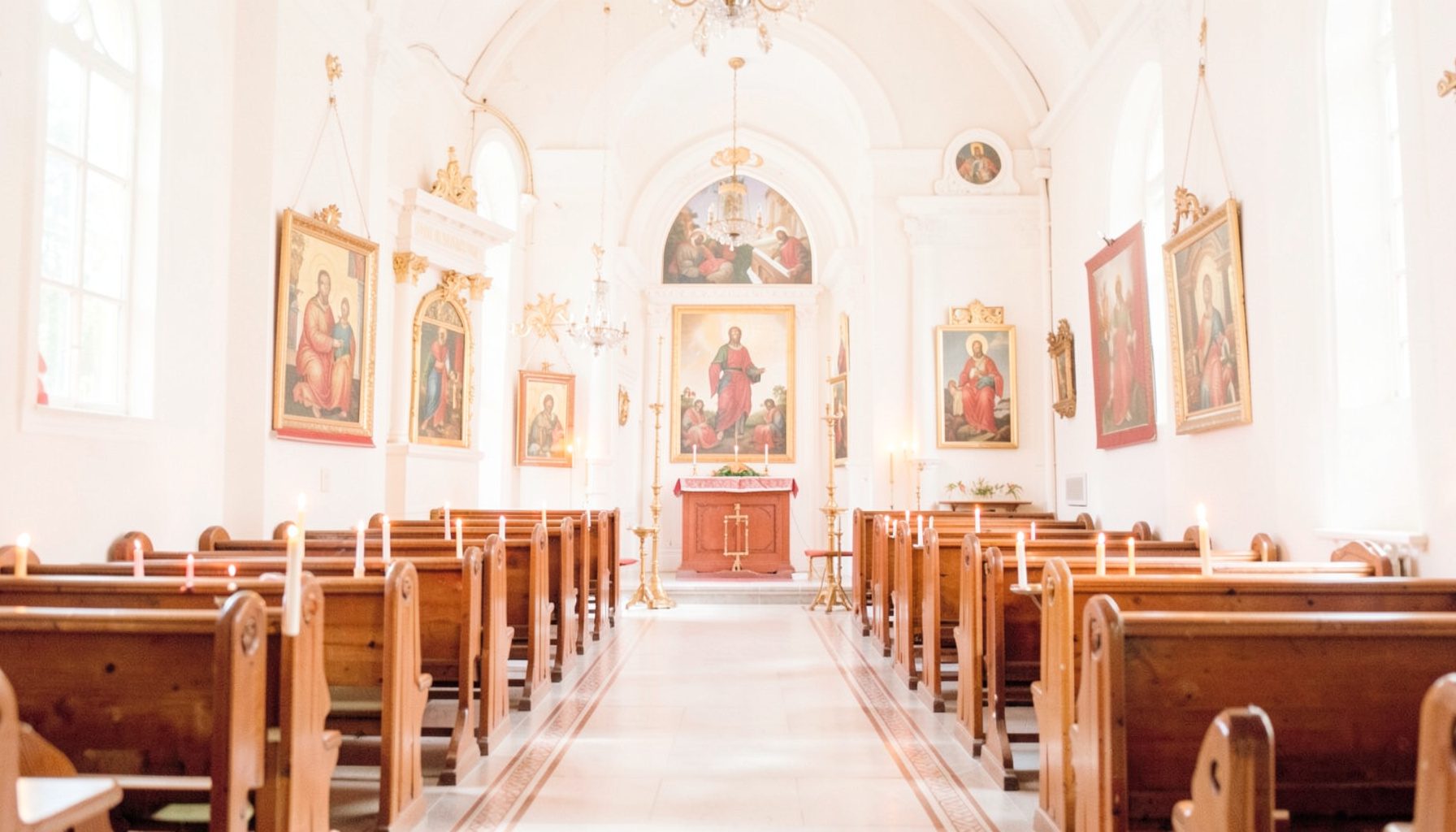
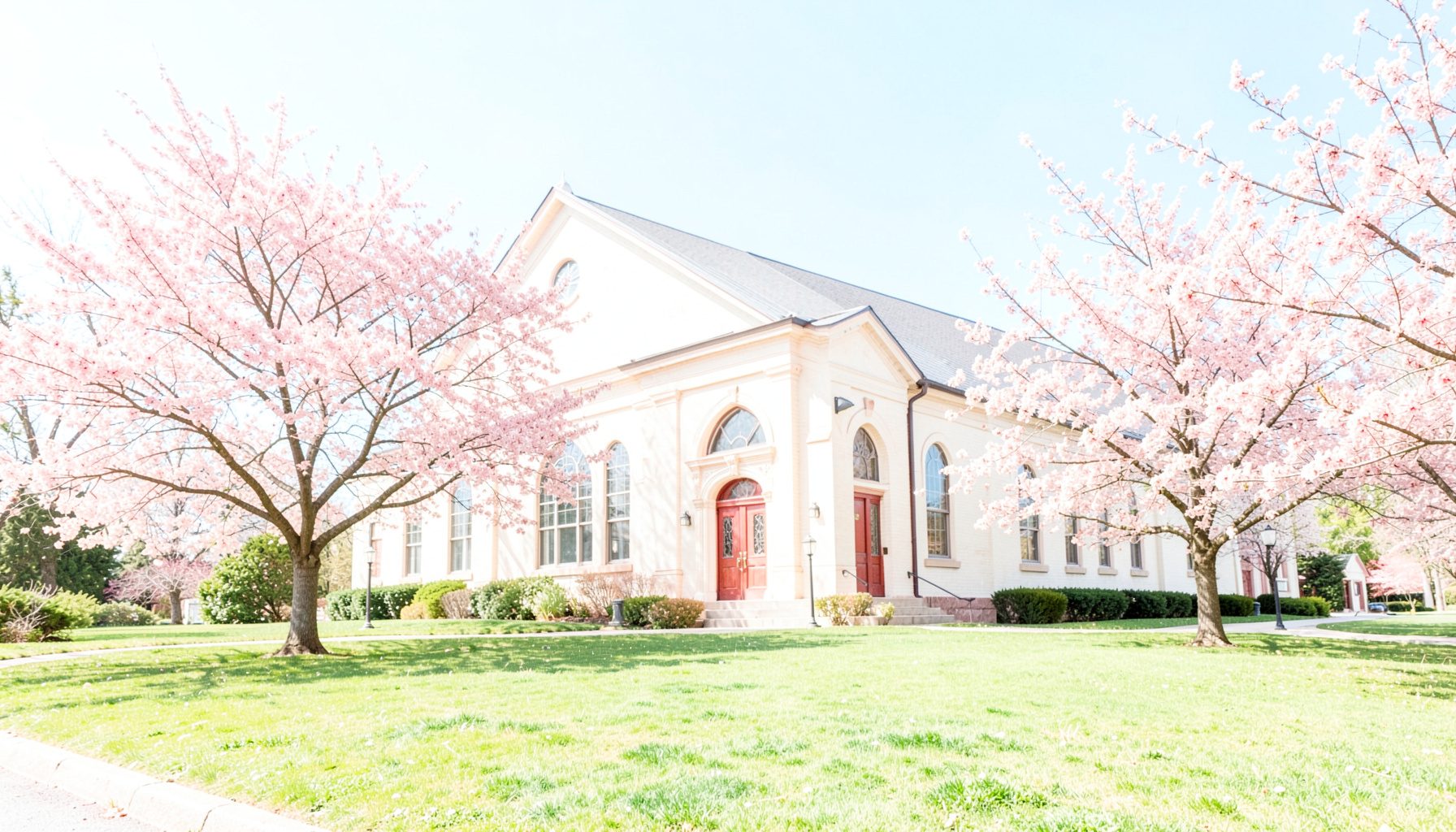
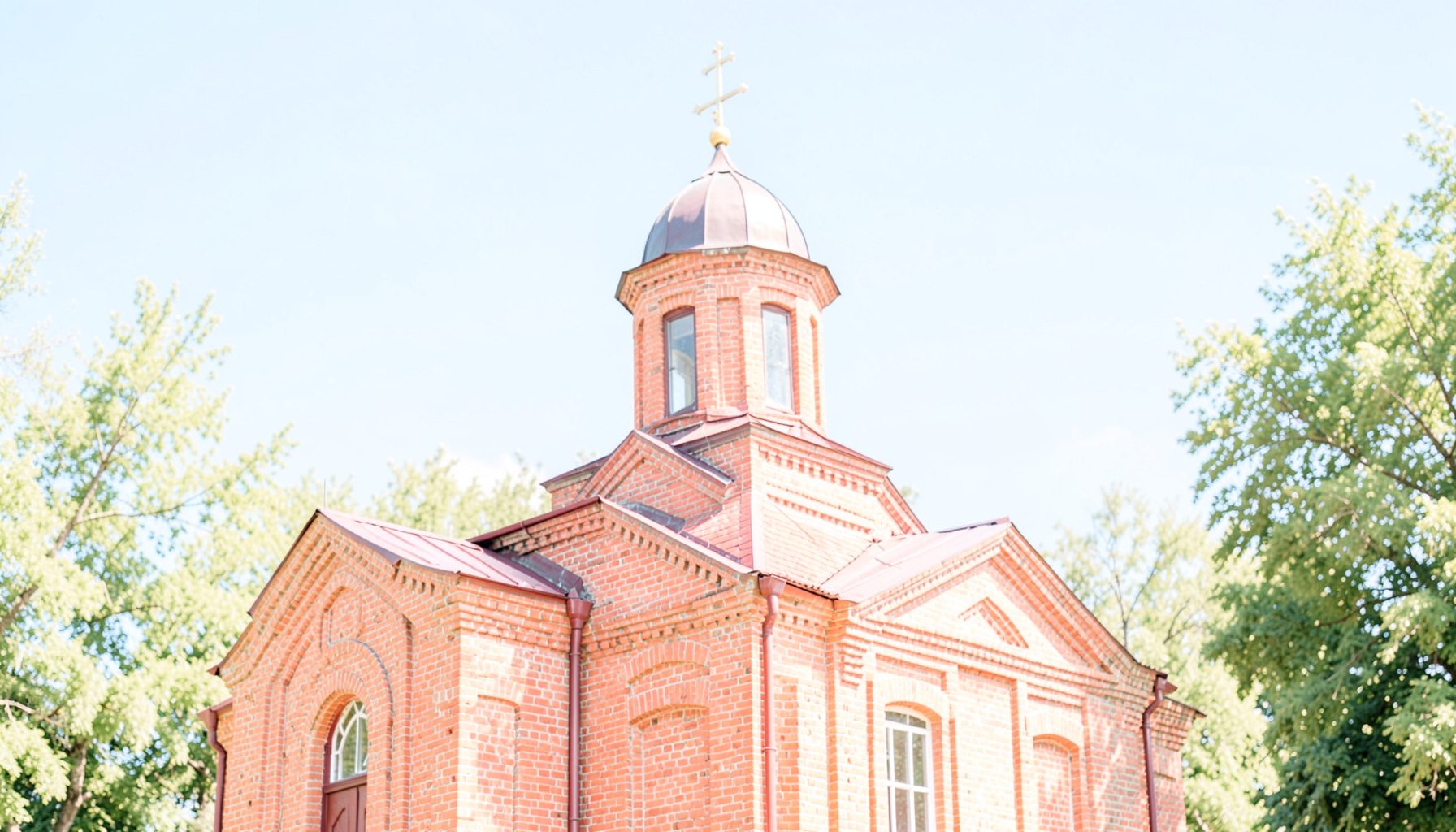
St. Nedela serves the Macedonian Orthodox community in Ajax and the surrounding region with regular worship, pastoral care, and facilities for gatherings.
Sunday Worship
Divine Liturgy every Sunday at 10 a.m. All are welcome to attend and participate in the life of the parish.
Services & Price List
Information on regular services, Easter schedules, and price lists is available through church administration or on the bulletin board in the hallway.
Banquet Hall
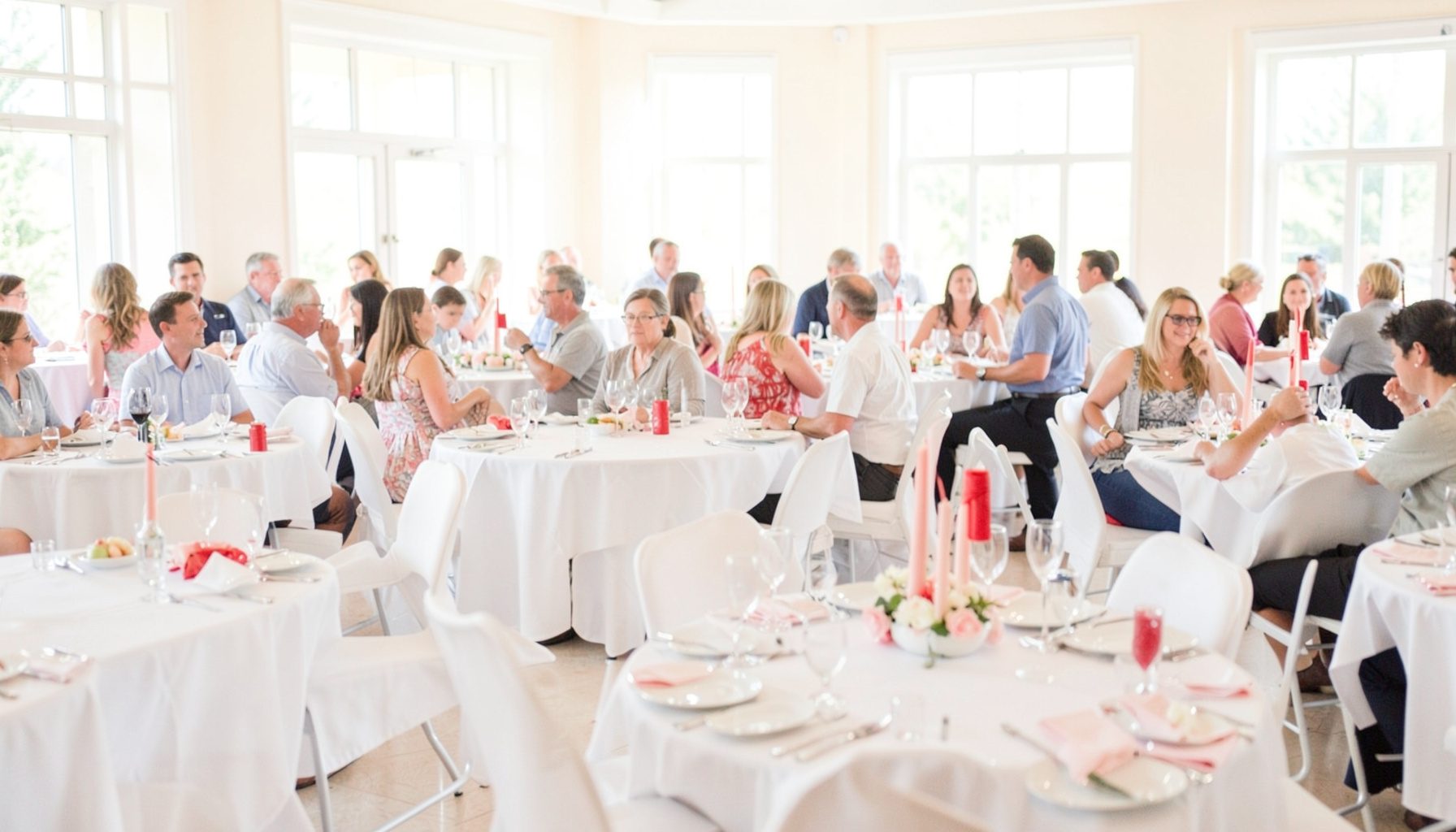
A hall accommodating up to 300 people is available for rentals. Contact Risto Trifunovski at 905-426-5355 for inquiries.
Prayers & Resources
Access the Lord's Prayer, the Nicene Creed, and prayers to the Mother of God — foundational texts of the Orthodox faith.
Kids' Corner
Resources and activities for the youngest members of our parish community.
Executive Board
Learn about the parish leadership and the dedicated volunteers who guide our church community.
Office & Contact Info
Parish Priest
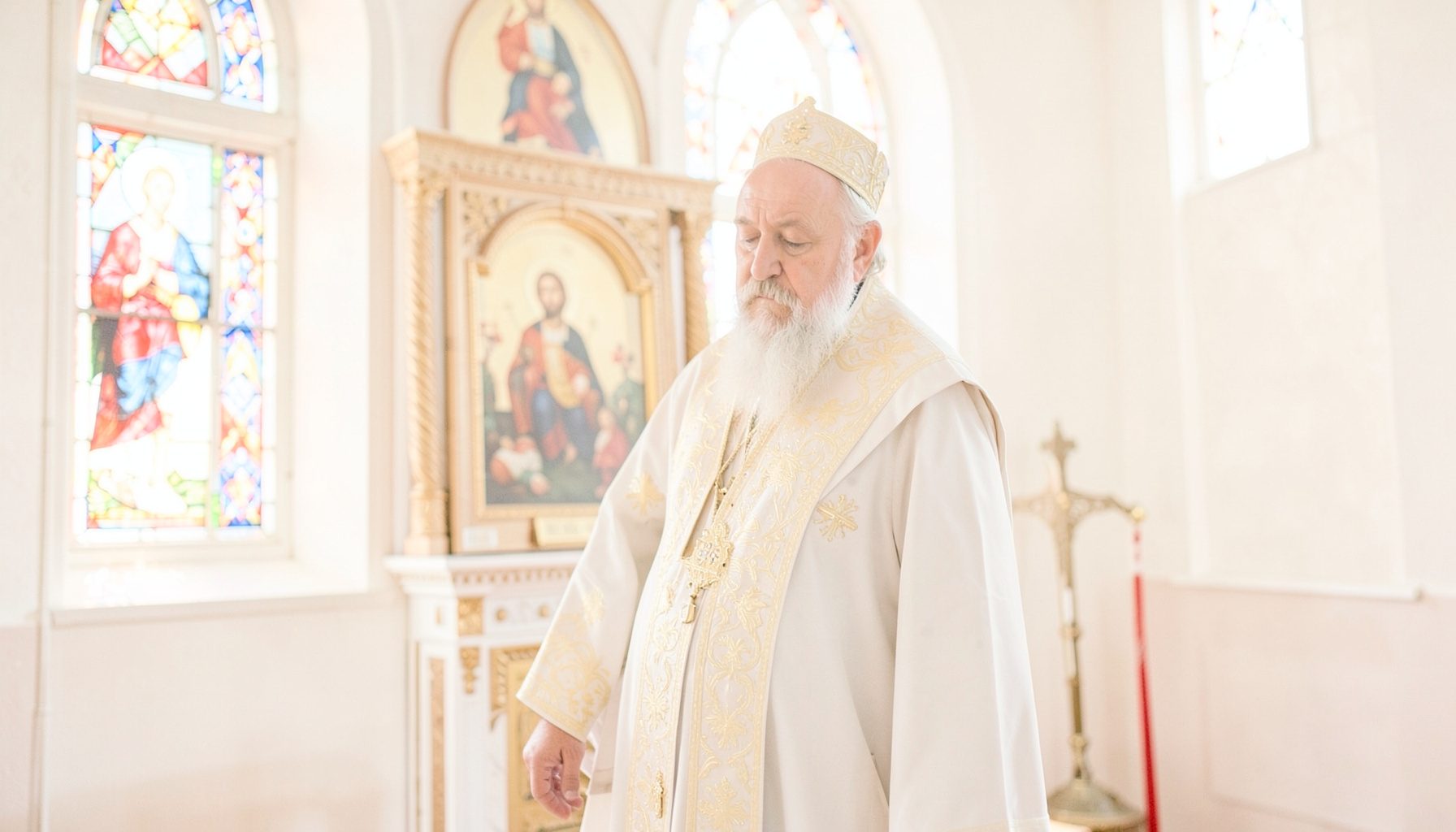
For religious or spiritual matters, contact Rev. Blage Dimitrievski at 416-568-4717 or blaged@stnedela.com.
Administration
Contact Secretary Helen Damtsis at 905-426-5355 for administrative inquiries.
Location & Hours
485 Bayly Street West, Ajax, Ontario, L1S 6M7
Open daily except Mondays, 10 a.m. – 4 p.m.
Insights & Articles
How to Settle Monthly Credit Payments During Unemployment
Guidance on handling loan repayments when facing job loss, including optional credit insurance for unemployment coverage.
Repayment of Loan Insurance
An overview of credit insurance for mortgages and loans, and how to opt out of insurance and recover premiums in certain situations.
What the Bible Says About Celebrating Christmas
A biblical exploration of Christmas celebrations, reflecting on scriptural perspectives regarding the holiday.
Gallery
Images from parish life, services, and community events at St. Nedela.