Building a Christmas Lights Tunnel Through the Garden
Australians often spend Christmas in summer, with outdoor lunches, garden parties and long evenings on the verandah. A Christmas lights tunnel can turn a normally ordinary path into a festive focal point without taking up much space. String lights wrapped around garden hoops can form an illuminated corridor leading from the street, through a side gate or along a driveway, and towards a decorated tree near the house. The effect works especially well when the greenery is still thick and the evenings remain warm.
The best tunnels feel generous rather than crowded, so planning matters before a single light is unboxed. Length, pathway width, weather exposure and electrical access all influence the final design. A simple row of hoops can create a traditional tunnel, while a curved route or a wider entrance arch can make the display feel more theatrical. Whatever shape you choose, the lights should complement the garden’s existing trees, shrubs and entertaining areas rather than conceal them.
Choosing a Route and Lighting Style
A tunnel works particularly well in the many Australian gardens shaped by suburban blocks, side paths and compact front lawns. A route might run beneath a pergola in Melbourne, beside a rendered wall in Adelaide, through a leafy Brisbane backyard or beside a driveway in Perth. Look for a path that guests naturally use, ideally with a clear view from the street and a destination worth revealing at the end, such as a front verandah, barbecue area or Christmas tree.
Sketch the route from above and mark important obstructions, including tree branches, garden beds, water tanks and play equipment. Allow enough height for guests to walk beneath the lights without brushing against them. Side passages can feel more intimate, while a straight driveway needs a carefully planned series of arches to prevent the display from looking like a flat wall of lights. Test the proposed route after dark, when neighbouring fences, foliage and painted surfaces become easier to judge.
Choose a colour scheme that suits the home and its surrounding architecture. Warm white lights create a soft, classic glow, while cool white gives trees and greenery a crisp appearance. Multicoloured lights feel playful and suit children’s displays, whereas a single colour such as red, gold or icy blue can look sophisticated. Australian homes are often used for relaxed summer gatherings, so a warm palette around the entrance and a brighter arrangement near the entertaining area can create visual depth.
Planning the Tunnel Layout
Measure the entire route before buying frames or cable. Record the length between anchor points, the width needed for several people to pass, and the height available beneath branches or a pergola. A garden hose or piece of string is useful for marking the centre line on the ground. Place the first hoop where guests can see the illuminated entrance, then space the remaining frames at regular intervals so the tunnel has a strong visual rhythm.
Check what lies beneath each section before driving pegs into the ground. Irrigation lines may be hidden under lawns, and large tree roots can be damaged by careless placement of stakes. Path edges, brick borders and paved areas may be better for freestanding weighted bases. Sandbags can secure lightweight feet, while purpose-made ground anchors are useful on soft soil. Keep displays away from fragile plants and allow access to the path for wheelbarrows, bins and emergency access.
Electrical planning is just as important as the physical layout. Outdoor lights should be suitable for external use, with weather-resistant connectors and a suitably rated transformer or controller. In Australia’s 230-volt mains system, check that extension leads and power boards carry Australian plugs and appropriate outdoor ratings. Use residual current device protection where available, keep joins above ground level and cover cables crossing walkways with purpose-made cable protectors.
Selecting Lights for Australian Conditions
LED string lights are the easiest option for most tunnels because they use less electricity, run cool and provide a choice of warm or cool white tones. They also tolerate being switched on for long summer evenings. Traditional incandescent lights produce a softer amber glow, but they consume more power and place additional heat around foliage. Whichever type you select, confirm the wattage, cable length and dimming or control functions before assembling the tunnel.
Shoppers can compare prices at Bunnings, Mitre 10, Kmart,hardware stores and specialist lighting websites. Australian dollars, seasonal promotions and the availability of replacement bulbs can make it worthwhile to check several suppliers before purchasing a large set. Look for lights with spare replacement bulbs or individually replaceable sections, as one faulty connection can otherwise spoil the entire run. For a coordinated result, buy the same colour temperature and finish for every section of the tunnel.
Solar and battery-powered lights offer useful flexibility, especially for a path far from a power outlet. Australia’s strong sunlight can keep solar panels charging, although shaded gardens and cloudy periods reduce their output. Heat also affects battery performance, so choose units rated for outdoor temperatures rather than lightweight decorative lights meant for indoor use. Mains-powered LEDs remain the most reliable option for a large tunnel, while solar strands can define the entrance or highlight sections where running cable would be inconvenient.
Building the Frame and Adding Greenery
Purpose-made garden arches can be joined to create a tunnel, but inexpensive hoops also provide plenty of scope. Treat timber or bamboo frames with suitable outdoor finishes and anchor each upright securely. Flexible metal garden hoops are useful for curved routes, while rectangular timber frames suit straight paths and modern homes. Any electrical cable should be supported by the structure rather than stretched between unrelated objects, and connections need a little slack without creating loops that could catch a sleeve or handrail.
Once the frame is stable, wrap lights closely around it, leaving small sections unlit to reveal the shape beneath. A second strand of net lights can be draped through nearby foliage to blend the structure into the garden. Avoid relying on a single dense coil of lights, which can look flat from a distance. Alternating covered sections, visible supports and a bright entrance give the tunnel depth while keeping the assembly manageable.
Natural decorations can make the display feel at home in the Australian landscape. Pinecone tree decorations offer ideas for textural ornaments that complement fresh greenery. Native foliage such as eucalyptus, banksia and wattles can be woven through the arches, while red berries provide seasonal colour without requiring artificial snow. Secure every lightweight decoration so a gust cannot carry it away, and keep fresh material away from hot lights and electrical connections.
Layering Colour and Seasonal Detail
Build the tunnel in layers, beginning with an outline of lights around each hoop. Add vertical or spiral strands to create texture, then place net lights within nearby shrubs for a softer background glow. Icicle-style strands can point towards the path, provided they are firmly attached and positioned well above head height. A bright arch at the entrance, a gentler sequence through the middle and a decorated feature at the exit will encourage people to move through the display.
Seasonal decorating inspiration from Gina Kay Daniel can help with choosing a consistent arrangement of baubles, ribbons and greenery. Repeat a few colours throughout the tunnel rather than changing the theme at every frame. If the path ends at a real or artificial Christmas tree, anchor it in a stable stand, conceal the base with a fabric skirt or low planting and coordinate its ornaments with the colours used overhead. A wreath on the entrance arch can provide a clear centre point.
Keep the surrounding area visible. A tunnel should frame the garden rather than turn it into a single solid mass of plastic, lights and decorations. Uneven spacing can make the display appear less polished, while too many competing effects can become visually busy. Before opening the display to visitors, walk through it with a friend and look back towards the street. Their view will reveal problems that are difficult to notice from inside the tunnel.
Photographing and Maintaining the Display
A lights tunnel offers an appealing setting for Christmas photographs, particularly when the family gathers beneath the illuminated arches. Advice on family Christmas portraits can help with posing and keeping portraits festive without allowing the decorations to dominate. Place people slightly off centre, ask them to look towards the brighter end of the path and use the repeating hoops to create depth behind them.
Because December evenings in Australia stay light for longer, the best photographs may arrive during twilight rather than full darkness. The sky can retain a soft blue tone while the lights become clearly visible, producing a more balanced background than a completely black sky. A tripod helps with long exposures, and a lens cloth is useful near garden sprinklers or coastal salt spray. Take several photographs at different points along the tunnel, as the most flattering position will depend on the angle of the existing trees and nearby house lights.
Maintenance matters once the display is open. Check connections after strong winds, remove leaves caught in cables and keep vegetation from overheating against the lights. Switch the tunnel off when it is not being viewed, especially if the transformer or batteries are outdoors. Secure rubbish and loose ties, provide a clear route for guests and keep electrical equipment away from pools, damp soil and children's play areas. A carefully built tunnel can then become a reusable feature of the garden, bringing a bright seasonal presence to Australian summer celebrations for many years.
Our Parish & Services
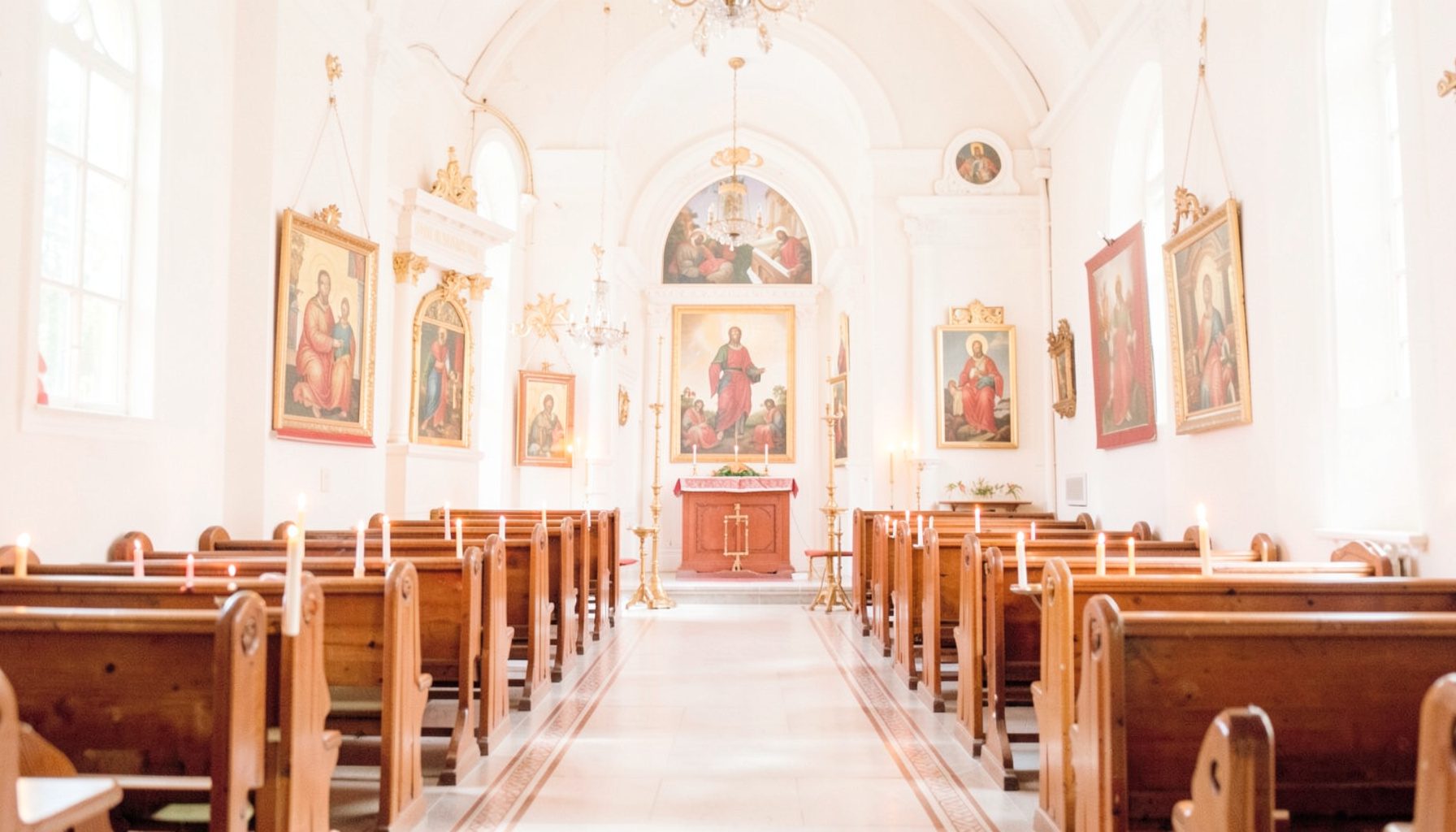
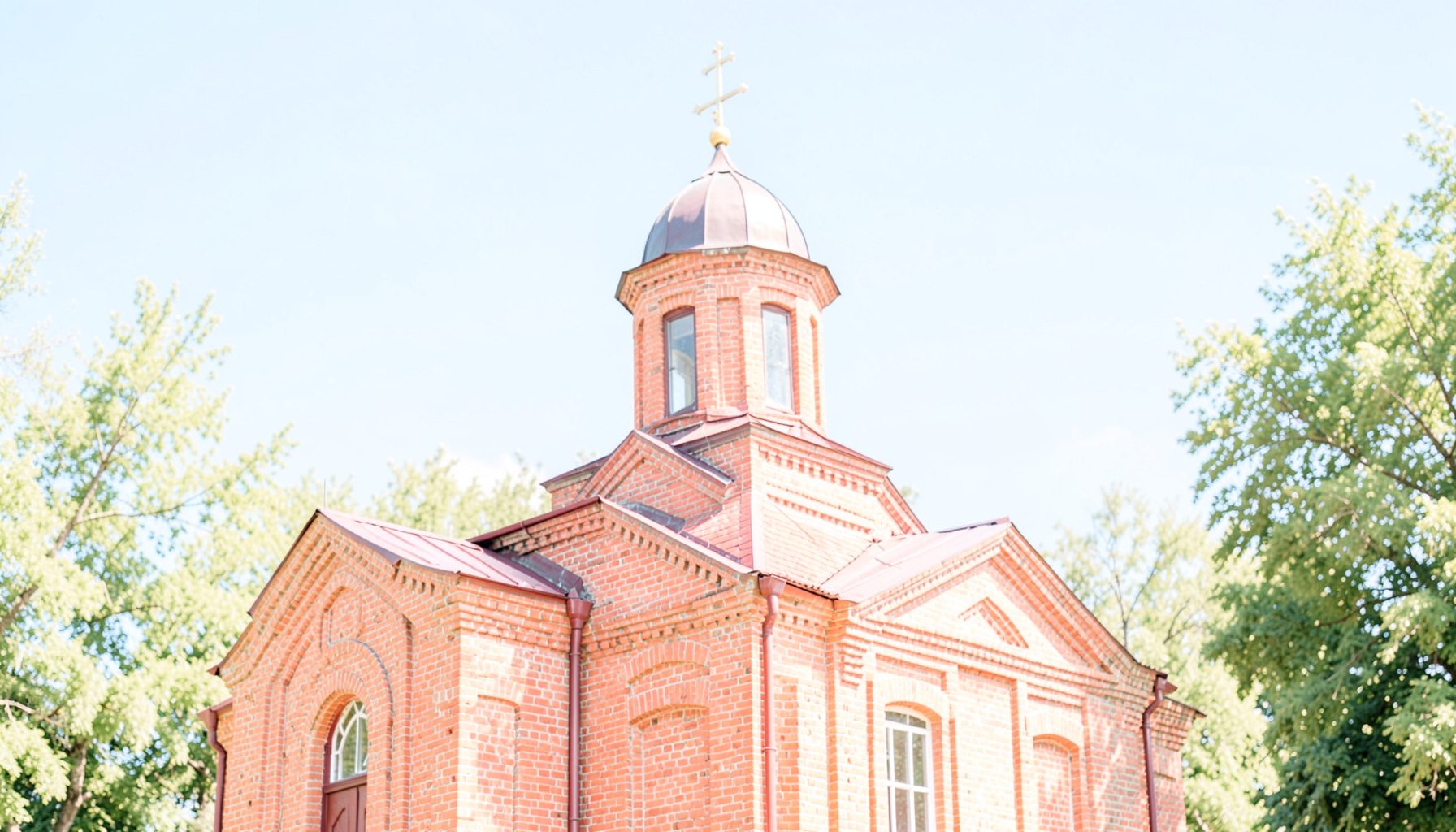
St. Nedela serves the Macedonian Orthodox community in Ajax and the surrounding region with regular worship, pastoral care, and facilities for gatherings.
Sunday Worship
Divine Liturgy every Sunday at 10 a.m. All are welcome to attend and participate in the life of the parish.
Services & Price List
Information on regular services, Easter schedules, and price lists is available through church administration or on the bulletin board in the hallway.
Banquet Hall
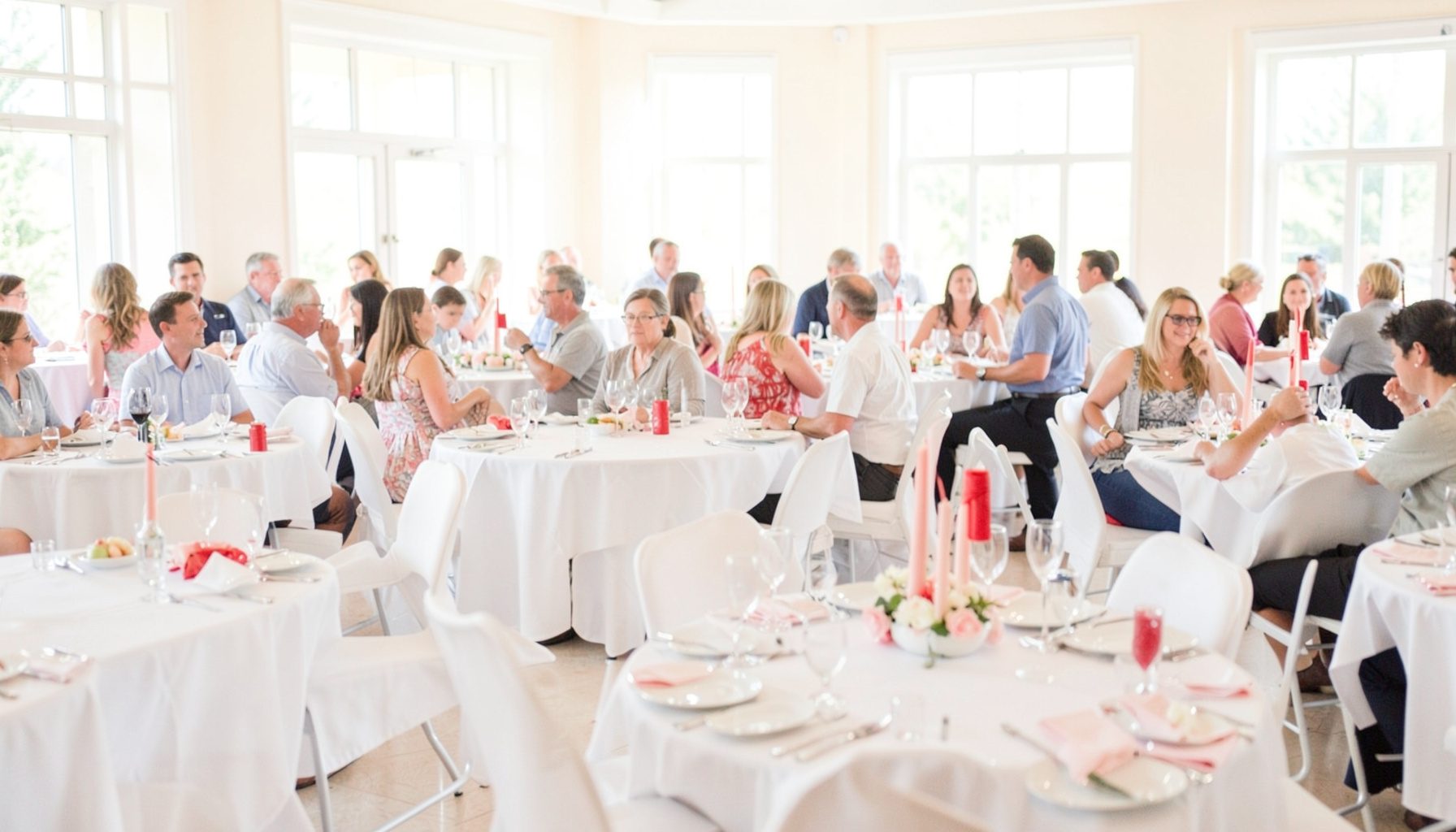
A hall accommodating up to 300 people is available for rentals. Contact Risto Trifunovski at 905-426-5355 for inquiries.
Prayers & Resources
Access the Lord's Prayer, the Nicene Creed, and prayers to the Mother of God — foundational texts of the Orthodox faith.
Kids' Corner
Resources and activities for the youngest members of our parish community.
Executive Board
Learn about the parish leadership and the dedicated volunteers who guide our church community.
Office & Contact Info
Parish Priest
For religious or spiritual matters, contact Rev. Blage Dimitrievski at 416-568-4717 or blaged@stnedela.com.
Administration
Contact Secretary Helen Damtsis at 905-426-5355 for administrative inquiries.
Location & Hours
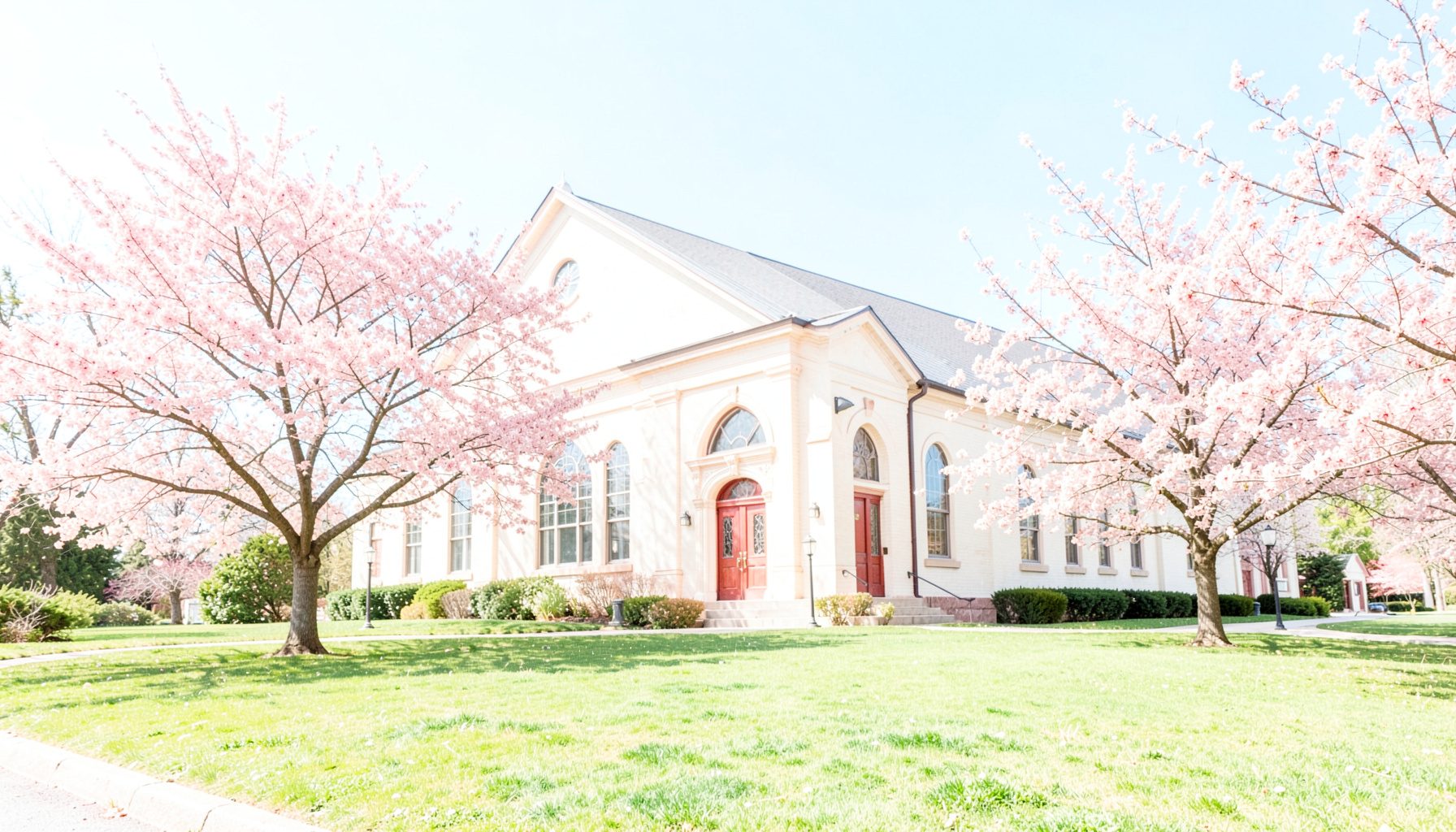
485 Bayly Street West, Ajax, Ontario, L1S 6M7
Open daily except Mondays, 10 a.m. – 4 p.m.
Insights & Articles
How to Settle Monthly Credit Payments During Unemployment
Guidance on handling loan repayments when facing job loss, including optional credit insurance for unemployment coverage.
Repayment of Loan Insurance
An overview of credit insurance for mortgages and loans, and how to opt out of insurance and recover premiums in certain situations.
What the Bible Says About Celebrating Christmas
A biblical exploration of Christmas celebrations, reflecting on scriptural perspectives regarding the holiday.
Gallery
Images from parish life, services, and community events at St. Nedela.