Nature-inspired Christmas trees with pinecones and berries
There's something quietly nostalgic about a Christmas tree dressed with pinecones and berries. Long before mass-produced baubles filled shop windows, households gathered cones from the forest floor and strung garlands of crimson fruit to brighten dark winter rooms. That same instinct pulls at people today who want a tree that feels handmade, organic, and connected to the outdoors rather than polished and glossy.
The beauty of this style rests in its forgiving nature. Pinecones add weight and texture, while berries bring contrast, often a flash of red against evergreen branches. Both elements layer beautifully with other natural materials such as dried citrus slices, wooden beads, and linen ribbon. They work on every tree size, from a slim two-metre pencil tree in a small Sydney apartment to a six-foot showstopper in a Brisbane family room.
Australians celebrating Christmas in summer often look for ways to soften that bright, beachy mood with a touch of woodland cosiness. A tree trimmed with pinecones and berries manages the balancing act perfectly, especially when native ingredients like wattle stems and eucalyptus pods are folded into the scheme. The result is something that nods to the southern hemisphere landscape without clashing with prawns and backyard cricket.
Picking a tree that works with natural decorations
Before you start collecting cones, you need a tree that can hold them. Pinecones are heavier than glass baubles, especially the chunky bunya and hoop pine cones found across eastern Australia, so flimsy branches will droop within a day.
Real trees are a popular pick across Australia. The varieties available locally include the soft-needled Monterey Pine, the denser Nordmann Fir imported from cooler climates, and the Norfolk Island Pine sold as a potted living tree that can move between the lounge and the veranda year after year. Real Monterey Pines often shed their cones early in the season, so if you want authentic cones on a real tree you'll usually need to add them yourself. Artificial trees have come a long way, and a well-shaped fake gives you sturdy branches and consistent colour through ten summers of decorating. Whichever you choose, taking time to shape each tip matters more than you'd think. A good tree fluffing guide walks you through the steps that make the biggest visual difference.
| Natural element | Typical colour | Availability in Australia | Best tree style |
|---|---|---|---|
| Monterey pine cones | Honey to chestnut | Easy to forage, sold by the bag | Classic green tree |
| Bunya pine cones | Deep amber | Seasonal, specialist stockists | Tall statement tree |
| Eucalyptus pods (gumnuts) | Silver, sage, copper | Widely available, garden-friendly | Native bush palette |
| Faux red berry clusters | Glossy scarlet | Craft stores year-round | Traditional red palette |
| Native pepperberry | Deep red-black | Florist supply, online | Rustic woodland theme |
| White berry sprigs (faux) | Cream, frosted white | Easily sourced | Modern neutral palette |
| Lolly berry (faux plastic) | Pink, white, red | Cheap and cheerful | Family-friendly, kid-safe |
Sourcing and preparing pinecones
Pinecones anchor this whole decorating style, so it's worth spending a moment getting them right. Foraged cones need a quick clean before they go on the tree. Spread them on a tray and bake at around 100 degrees Celsius for an hour or so. Any insects hiding in the scales will vacate, and the cones will open fully so they look their best. Let them cool completely before handling.
If you'd rather skip the oven, bought cones are pre-cleaned and often lightly bleached to a soft white, frosted silver, or left in their natural tan. A mixed basket of natural and bleached cones gives lovely depth on the tree without looking too matchy. Tuck them deep into the branches, tipping slightly forward, so they look like they grew there rather than being placed.
Australian alternatives are worth exploring too. She-oak pods have an elongated, sculptural shape that works beautifully on smaller pencil trees. Banksia cones add spiky texture for a rustic entry display. Where you source them matters as well, and specialist foragers' services often stock cones in bulk during November and December, with staff who can suggest complementary pieces while you're there.
Berries that bring seasonal colour
Berries are the colour-makers of the pinecones-and-berries look. They pop against green branches and draw the eye from across the room, even on a hot Australian afternoon when curtains are drawn against the sun.
Traditional holly berries are imported, and they often come at a price in Australian florist shops. Faux berry clusters are a practical alternative, and the quality has improved dramatically in recent years. Look for clusters with realistic leaf shapes rather than perfectly round plastic balls. White and pink faux berries soften the tree and work beautifully in coastal homes around Byron Bay and Noosa, while scarlet clusters lean into the classic European Christmas card look.
If you'd like something genuinely Australian, native pepperberries bring a deep red-black colour and a peppery scent if you brush against them. Lily pilly berries grow in many suburban gardens and can be clipped into small posies, though they wilt quickly indoors and look their best on the day they're cut. Muntries, also called emu apples, are small, glossy, and intensely coloured, and they dry well if you'd like to use them again next year. If you have leftover sprigs, they're charming on a side table or even in kitchen window sill styling, where a few stems in a small jug carry the look through to the rest of the home.
A native twist with Australian botanicals
This is where the look becomes truly local. Pairing traditional pinecones and red berries with native Australian botanicals creates a tree that feels rooted in the landscape rather than borrowed from a northern hemisphere magazine spread.
Wattle stems are the most iconic Australian Christmas decoration, and small fluffy sprigs tuck neatly into the tree at intervals. They bring a soft yellow glow that pairs beautifully with warm white lights. Eucalyptus pods, often called gumnuts, sit well between branches and come in silver, sage, and copper tones. Baby blue gum leaves have a rounded shape that adds softness, and they dry well on the tree without dropping. Banksia flowers, particularly the bright yellow variety, feel at home on a coastal Christmas tree and last for weeks in air-conditioned rooms. If you're sourcing from a wholesaler or a small farm, following up after an enquiry is often how you secure the best pick of the season.
A common concern is whether native botanicals will last the season. Wattle dries beautifully and holds its shape well. Eucalyptus is one of the longest-lasting foliage choices in the world. Pepperberry clusters dry firm and dark. The key is to keep them away from heating sources, and if you're using a real cut tree in an Australian summer, water the stand every day so surrounding branches stay cool and the botanicals don't crisp up too quickly.
Pulling it all together with a cohesive palette
A nature-inspired theme can drift into chaos if every element is shouting. Choose a palette early and stick to it. Three popular palettes work well for Australian homes, each with a clear mood.
Rustic Woodland pairs pinecones in their natural tan, deep red berries, kraft paper ribbon, dried orange slices, and wooden beads, suiting weatherboard Queenslanders and federation homes where a layered, lived-in look feels at home. Modern Neutral uses white berry sprigs, bleached pinecones, soft grey ribbon, and linen-wrapped gifts underneath, working well in minimalist apartments in Melbourne's inner suburbs or coastal homes around Margaret River. Bush Botanicals mixes eucalyptus pods, wattle stems, banksia flowers, pepperberry clusters, and bunya pine cones, the most Australian option, suited to homes with native gardens or a beachy indoor-outdoor flow.
Whatever palette you choose, repeat the same three or four elements throughout the tree rather than adding ten different motifs. A cluster of three pinecones, two sprigs of berries, and a wattle stem per quadrant of the tree reads as intentional, while random placements read as cluttered and busy.
Outdoor displays for the Australian summer
Christmas trees don't have to stay indoors. Many Australians bring the celebration onto the veranda, the front porch, or the courtyard, especially on Christmas Eve when friends gather before the main day. A small potted pine decorated with pinecones and berries makes a lovely welcome near the front gate, particularly when paired with simple kraft paper-wrapped gifts or a hand-lettered wooden sign leaning against the trunk.
Moss or bark bases anchor outdoor displays and keep the roots cool through the day. If you have a sheltered veranda, you can leave berry clusters and pinecones in place for the full Christmas week, though you'll want to bring them inside before any forecast rain, since wet pinecones close up and don't reopen the way you'd hope. In bushfire-prone areas, choose flame-resistant materials and keep decorations well clear of any candles, fairy lights that get hot, or outdoor patio heaters. A light spray of water on a hot December afternoon keeps foliage fresh and stops berries from cracking in the heat.
Our Parish & Services
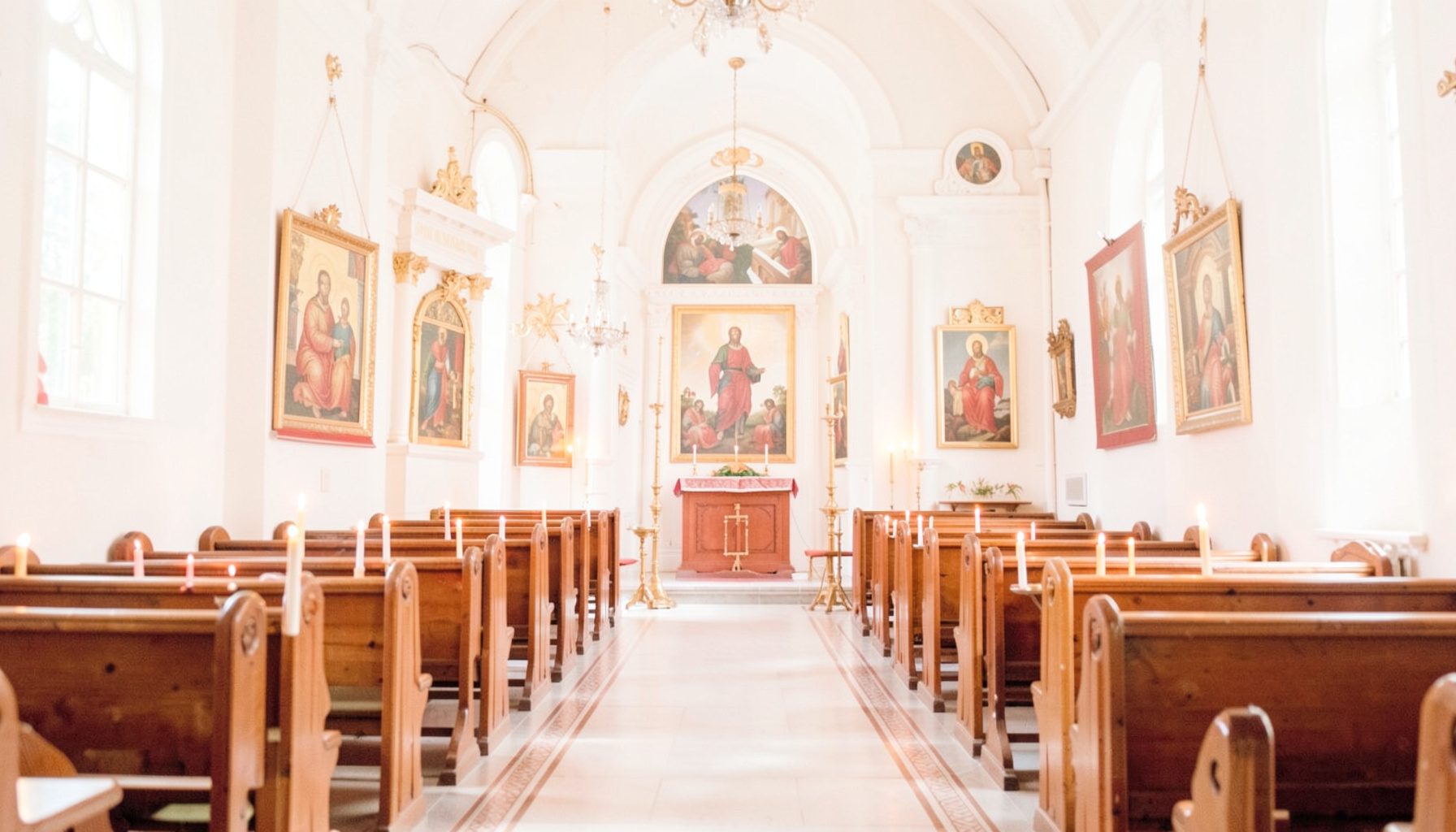
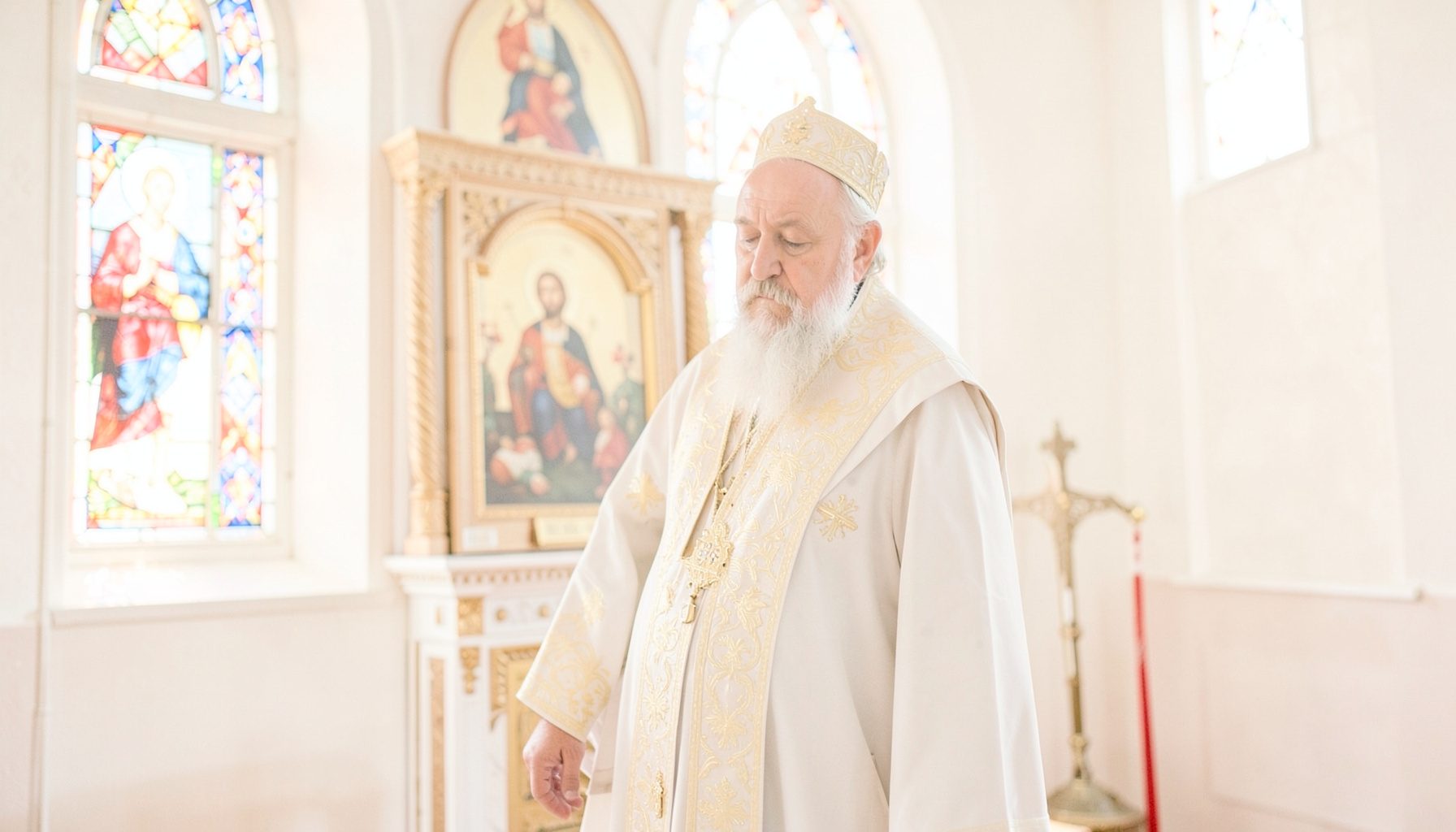
St. Nedela serves the Macedonian Orthodox community in Ajax and the surrounding region with regular worship, pastoral care, and facilities for gatherings.
Sunday Worship
Divine Liturgy every Sunday at 10 a.m. All are welcome to attend and participate in the life of the parish.
Services & Price List
Information on regular services, Easter schedules, and price lists is available through church administration or on the bulletin board in the hallway.
Banquet Hall
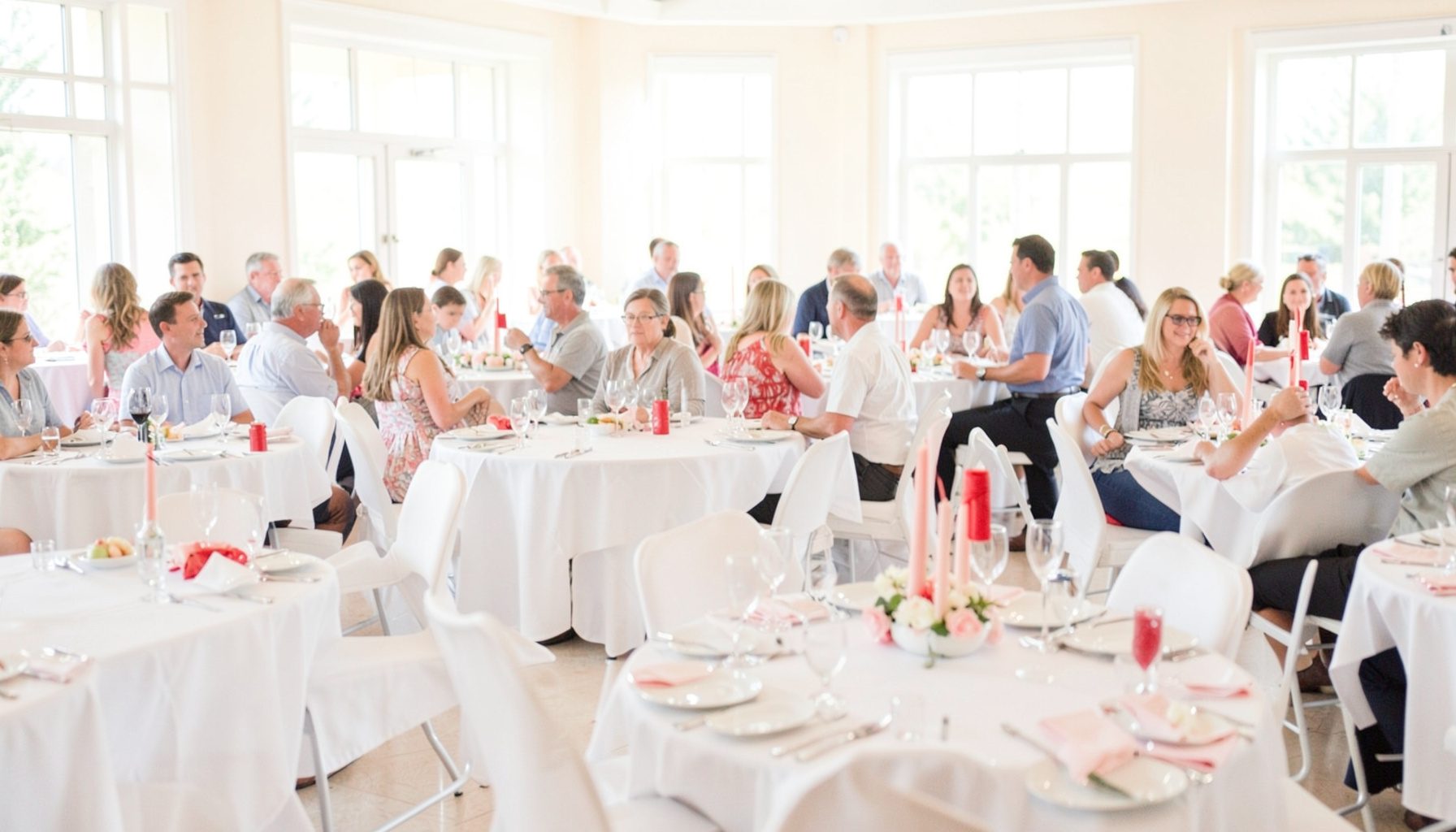
A hall accommodating up to 300 people is available for rentals. Contact Risto Trifunovski at 905-426-5355 for inquiries.
Prayers & Resources
Access the Lord's Prayer, the Nicene Creed, and prayers to the Mother of God — foundational texts of the Orthodox faith.
Kids' Corner
Resources and activities for the youngest members of our parish community.
Executive Board
Learn about the parish leadership and the dedicated volunteers who guide our church community.
Office & Contact Info
Parish Priest
For religious or spiritual matters, contact Rev. Blage Dimitrievski at 416-568-4717 or blaged@stnedela.com.
Administration
Contact Secretary Helen Damtsis at 905-426-5355 for administrative inquiries.
Location & Hours
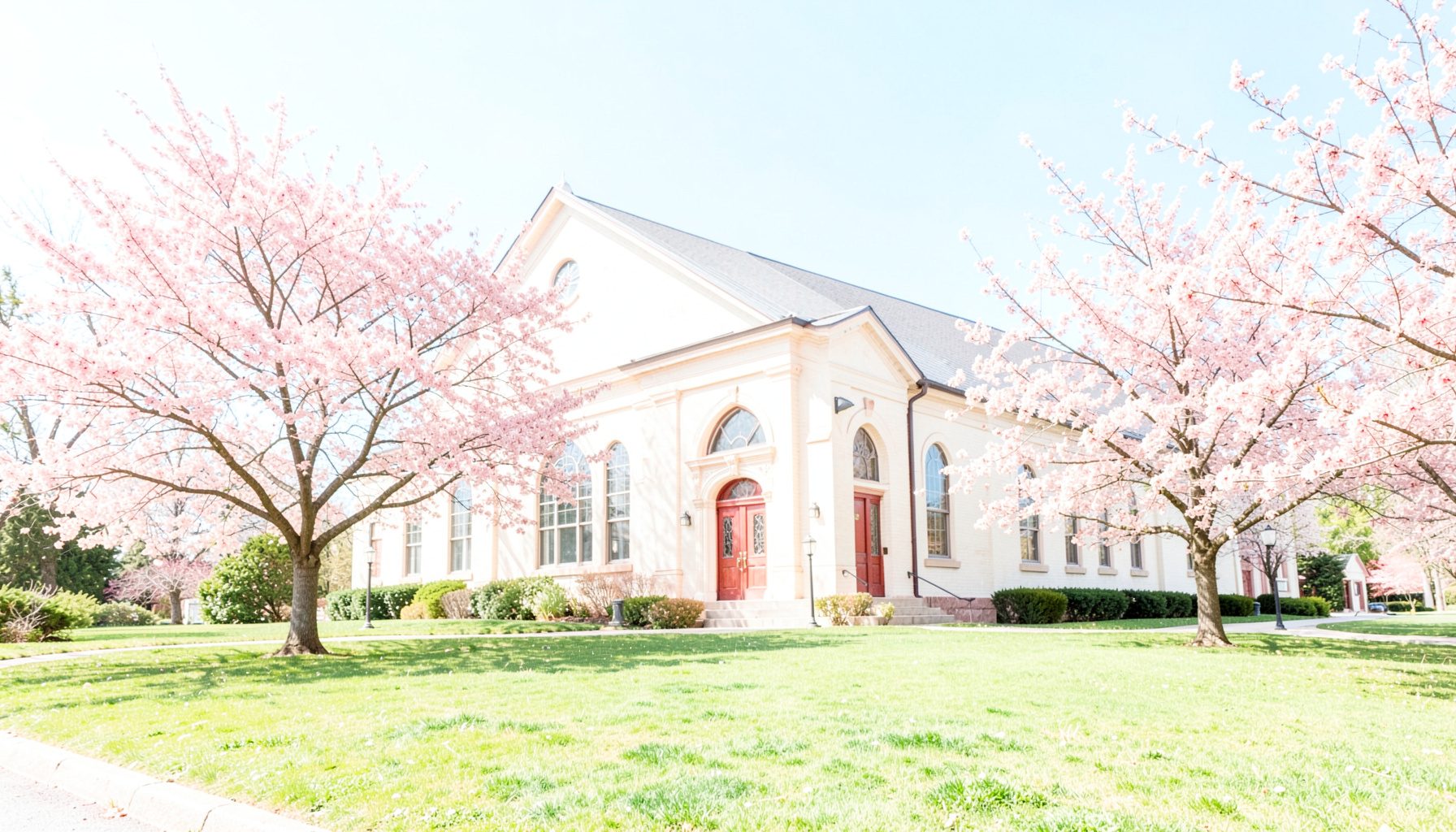
485 Bayly Street West, Ajax, Ontario, L1S 6M7
Open daily except Mondays, 10 a.m. – 4 p.m.
Insights & Articles
How to Settle Monthly Credit Payments During Unemployment
Guidance on handling loan repayments when facing job loss, including optional credit insurance for unemployment coverage.
Repayment of Loan Insurance
An overview of credit insurance for mortgages and loans, and how to opt out of insurance and recover premiums in certain situations.
What the Bible Says About Celebrating Christmas
A biblical exploration of Christmas celebrations, reflecting on scriptural perspectives regarding the holiday.
Gallery
Images from parish life, services, and community events at St. Nedela.