How to Make a Driftwood Christmas Tree for Beach Homes
A driftwood Christmas tree brings a relaxed coastal character to a beach house without competing with sea views, pale walls or natural textures. It is especially well suited to an Australian Christmas, when warm weather, open doors and outdoor entertaining call for decorations that feel lighter than a traditional fir tree.
The design can be rustic, polished or distinctly nautical. A few weathered branches may create a minimalist wall display, while a freestanding arrangement can hold fairy lights, shell ornaments and small gifts. With sensible preparation and secure construction, the finished piece will suit a holiday home in Byron Bay, the Gold Coast, Sydney’s Northern Beaches or coastal Western Australia.
Choosing And Preparing Driftwood
Select pieces with a range of lengths and natural shapes. Long, fairly straight branches work best for the lower tiers, while shorter pieces can form the upper levels. Look for wood that is dry, firm and free from soft patches, strong odours, insect holes or visible mould. A central pole, broom handle or length of treated timber will provide the spine of a freestanding tree.
Do not remove attractive wood from protected dunes, national parks or beaches where collecting is restricted. Local council rules and conservation practices vary, and driftwood also helps stabilise some shorelines. Pieces purchased from a craft supplier, salvage yard or garden centre are a practical alternative. Australian hardware stores such as Bunnings often stock timber dowels, outdoor screws, jute rope and water-based sealers suitable for this project.
Brush away sand and loose bark outdoors, then allow the wood to dry completely under cover. A stiff brush is usually enough for sound pieces. Avoid soaking old timber for long periods, as water may encourage splitting or bring out hidden rot. Lightly sand sharp points and seal the wood with a clear, low-sheen finish if it will be handled often. For a softer appearance, leave the surface unfinished and use felt pads wherever branches meet floors or furniture.
Building The Tree Shape
The simplest freestanding design uses a weighted base, a vertical trunk and horizontal branches arranged from longest to shortest. A round timber base, a large terracotta pot filled with gravel, or a cross-shaped wooden foot can hold the trunk upright. The base must be wide enough to prevent the tree tipping when children, pets or a breeze from an open verandah disturb the decorations.
Lay the branches on the floor before attaching them. Place the longest piece at the bottom and reduce the length gradually as you move upwards. Uneven spacing usually looks more natural than perfectly measured tiers, but leave enough room for ornaments and lights. A tree around 1.2 to 1.5 metres high is manageable for a living room, entryway or covered balcony.
Drill a small pilot hole through each branch and into the central trunk, then fasten the pieces with exterior-grade screws. Where drilling is impractical, strong natural-fibre rope can create a loose, handmade appearance, although every knot should be checked for movement. A wall-mounted version needs less timber: attach branches directly to a backing board or wall cleat, forming a triangular silhouette without requiring a heavy base.
Securing The Structure
Stability matters more than decoration. Test the bare tree by gently nudging it from several directions. If it shifts, increase the base weight, widen the feet or add a discreet rear brace. For a tall tree in a high-traffic room, fix the upper trunk to a wall with a removable bracket or furniture safety strap. This is particularly useful in holiday homes where guests may not notice how easily a narrow display can topple.
Keep screws, wire and exposed knots away from areas where hands, clothing or pets could catch. Cover rough joins with small pieces of felt, cork or cotton rope. Hot glue can hold lightweight embellishments, but it should not be relied upon for structural connections, especially in humid coastal air or rooms that become warm during summer afternoons.
If the wood will be displayed outdoors, choose stainless-steel or galvanised hardware and check the attachment points after rain. Salt air can accelerate corrosion around Sydney Harbour, Adelaide beaches and northern Queensland locations. A water-based exterior sealer will help limit staining, but it will not make untreated driftwood permanently weatherproof.
Choosing Coastal Decorations
The beauty of a beach-inspired tree comes from restraint. Use a small palette such as white, sand, pale blue and eucalyptus green, or add coral, terracotta and warm brass for a sunset-inspired scheme. Natural materials including cotton cord, linen ribbon, raffia, timber beads and woven stars complement the grain of the wood. A few handmade pieces can make the display feel personal; project ideas may help when planning simple ornaments from available materials.
Shells, starfish and sea glass are familiar coastal motifs, but using too many can make the tree look like a souvenir display. Combine two or three marine details with ordinary Christmas shapes such as bells, paper stars and wooden baubles. Avoid fragile shells with sharp edges if the tree sits near a play area, and do not use live coral or protected marine material.
For a more Australian finish, add dried banksia, gum leaves, paperbark curls or seed pods that have been properly dried and checked for insects. Never place dried foliage directly against hot bulbs. A woven pandanus star, miniature surfboard ornament or hand-painted cockatoo can reference the setting without turning the arrangement into a themed exhibit. Inspiration from coastal styling inspiration can also guide a balanced mix of texture and colour.
Lighting Indoor And Outdoor Displays
Warm-white LED fairy lights are generally the most versatile choice. Thread them along the central trunk first, then loop them loosely over the branches so the shape remains visible. Battery-operated strands are convenient for a console or dining table, while a low-voltage plug-in set can provide steadier illumination for a larger display. Conceal the battery pack inside a small fabric pouch or lidded basket rather than attaching it directly to the wood.
Australian summer heat makes LED lighting preferable because it produces less heat than older incandescent globes. Keep lamps away from dried leaves, ribbons and paper ornaments, and switch the display off before sleeping or leaving the property. For balconies, patios and front gardens, choose products specifically rated for outdoor use rather than moving indoor lights outside.
Outdoor decoration should remain considerate of neighbours and local wildlife. Soft, steady lighting is usually more attractive than rapidly flashing sequences, particularly in tightly spaced coastal streets. This guide to neighbour-friendly displays offers useful perspective when a beach house is close to other homes. For any powered installation, use a weatherproof connection and follow extension cord advice, keeping plugs off wet ground and away from puddles.
Styling Ideas For Australian Beach Homes
Place a small driftwood tree on a hallway console, sideboard or covered porch where its silhouette can be seen from outside. A larger version works well beside a sliding glass door, but leave clear access to the door and avoid blocking ventilation. In compact apartments around Manly or St Kilda, a wall-mounted tree saves floor space while still giving the room a festive focal point.
The display can reflect the home’s existing materials. Pair pale driftwood with white ceramics and woven baskets in a coastal cottage, or use darker branches with navy ribbon and aged brass in a modern apartment. In Queensland and northern New South Wales, breathable linen and lightweight ornaments suit humid summer conditions better than thick fabric or heavy felt. In cooler southern areas, wool tassels and knitted decorations add warmth without losing the seaside character.
A simple purchasing plan keeps the project affordable. Reuse ribbon, repurpose old baubles and buy only a few feature pieces from local craft markets or Australian homeware retailers. For households watching holiday spending, budget planning guide provides a useful reminder to separate essential materials from optional embellishments.
| Element | Practical choice | Coastal effect |
|---|---|---|
| Structure | Dry branches, timber dowel and a weighted base | Natural, sculptural silhouette |
| Fastenings | Stainless-steel screws or strong jute rope | Reliable construction with rustic detail |
| Colour palette | Sand, white, soft blue and eucalyptus green | Light and relaxed summer styling |
| Ornaments | Wood, linen, shells, paper stars and woven pieces | Varied texture without visual clutter |
| Lighting | Warm-white LED fairy lights | Gentle glow with lower heat |
| Outdoor finish | Exterior sealer and weather-rated hardware | Better resistance to salt air and moisture |
Finish the arrangement with one clear focal point, such as a woven star, timber angel or oversized shell-shaped ornament. Keep the lower branches relatively open if the tree sits near gifts, luggage or a busy walkway. Once decorated, inspect the base, lights and hanging points each season so the beach house tree remains secure, attractive and ready for many Australian Christmases.
Our Parish & Services
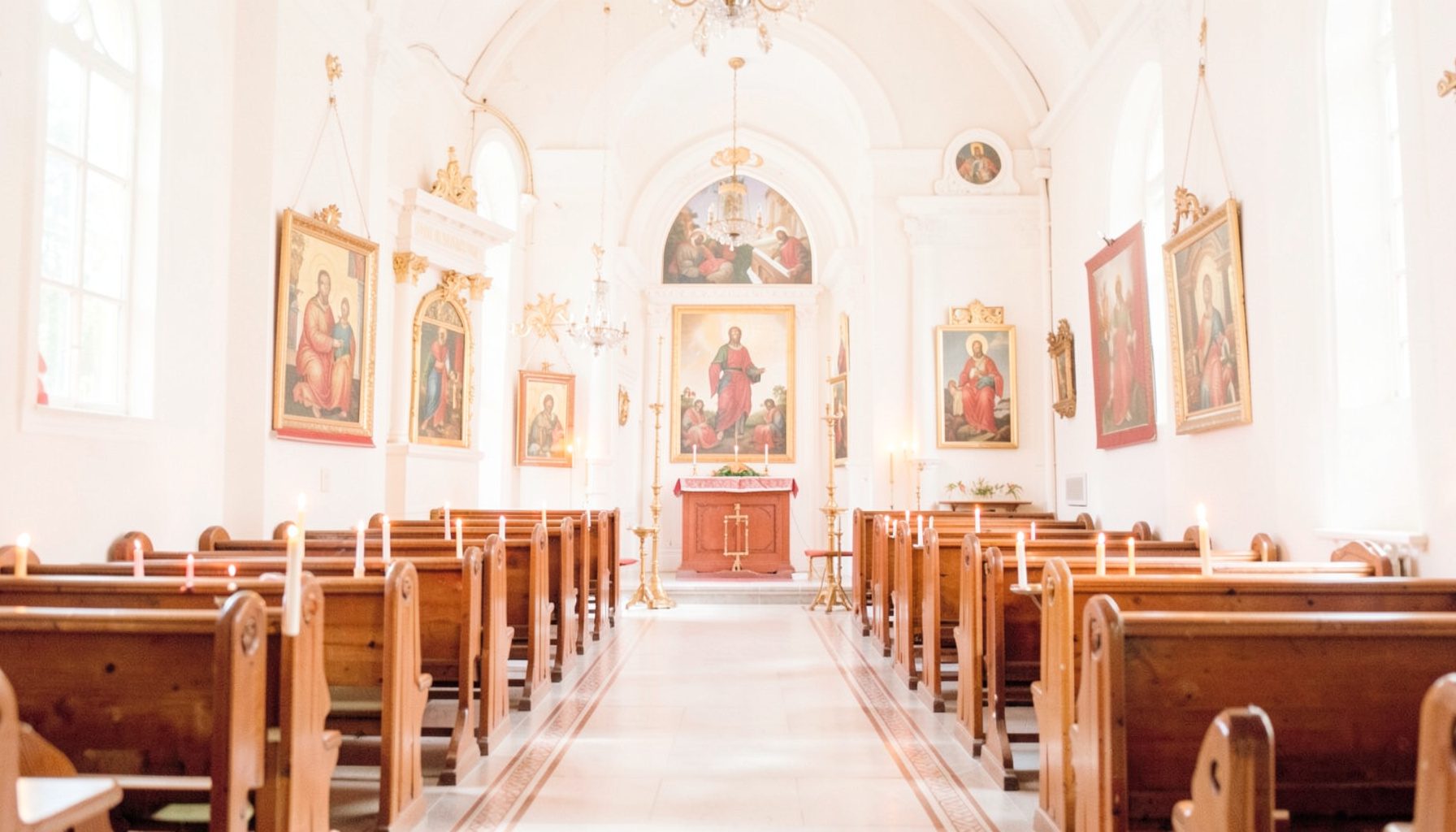
St. Nedela serves the Macedonian Orthodox community in Ajax and the surrounding region with regular worship, pastoral care, and facilities for gatherings.
Sunday Worship
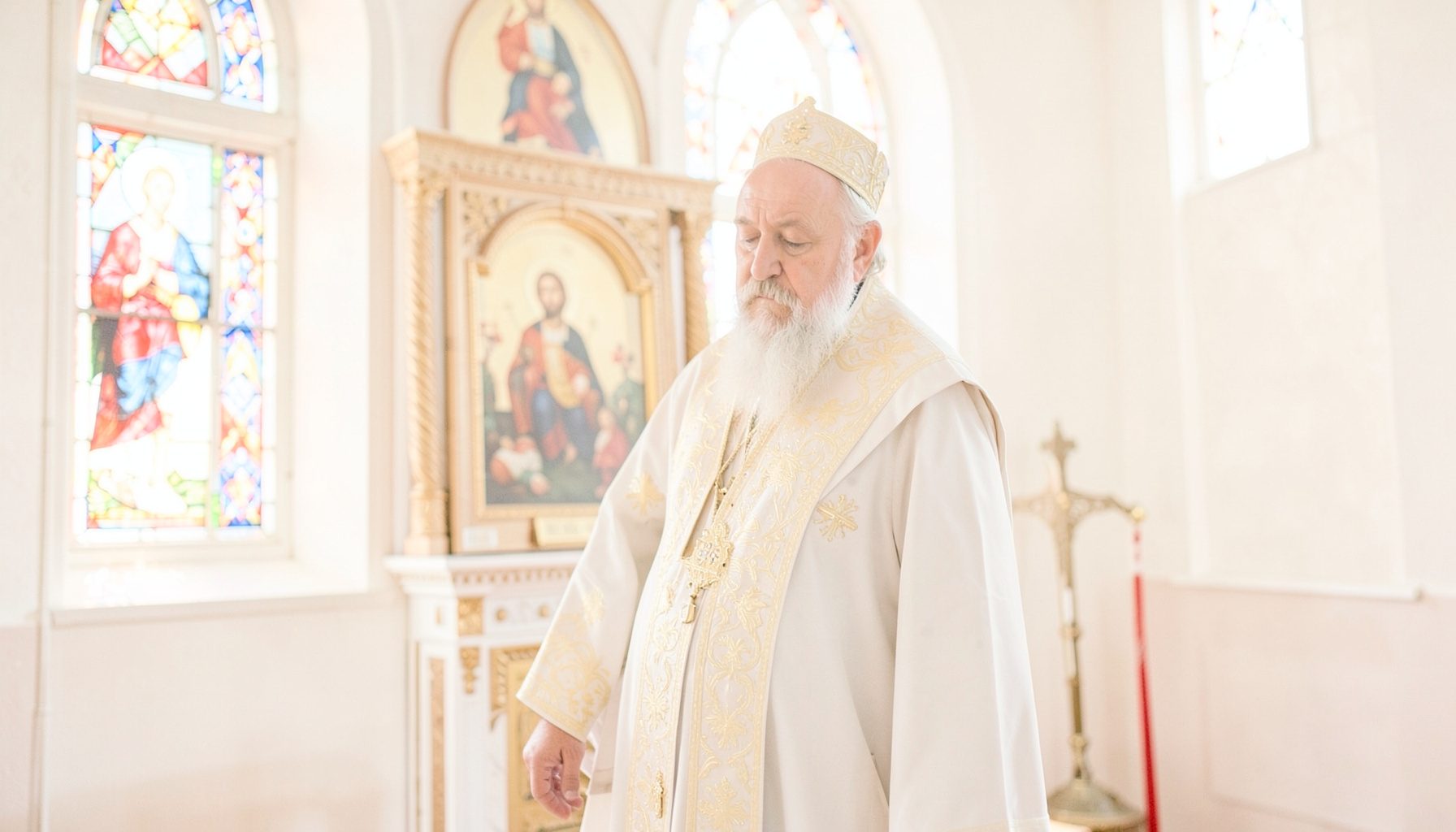
Divine Liturgy every Sunday at 10 a.m. All are welcome to attend and participate in the life of the parish.
Services & Price List
Information on regular services, Easter schedules, and price lists is available through church administration or on the bulletin board in the hallway.
Banquet Hall
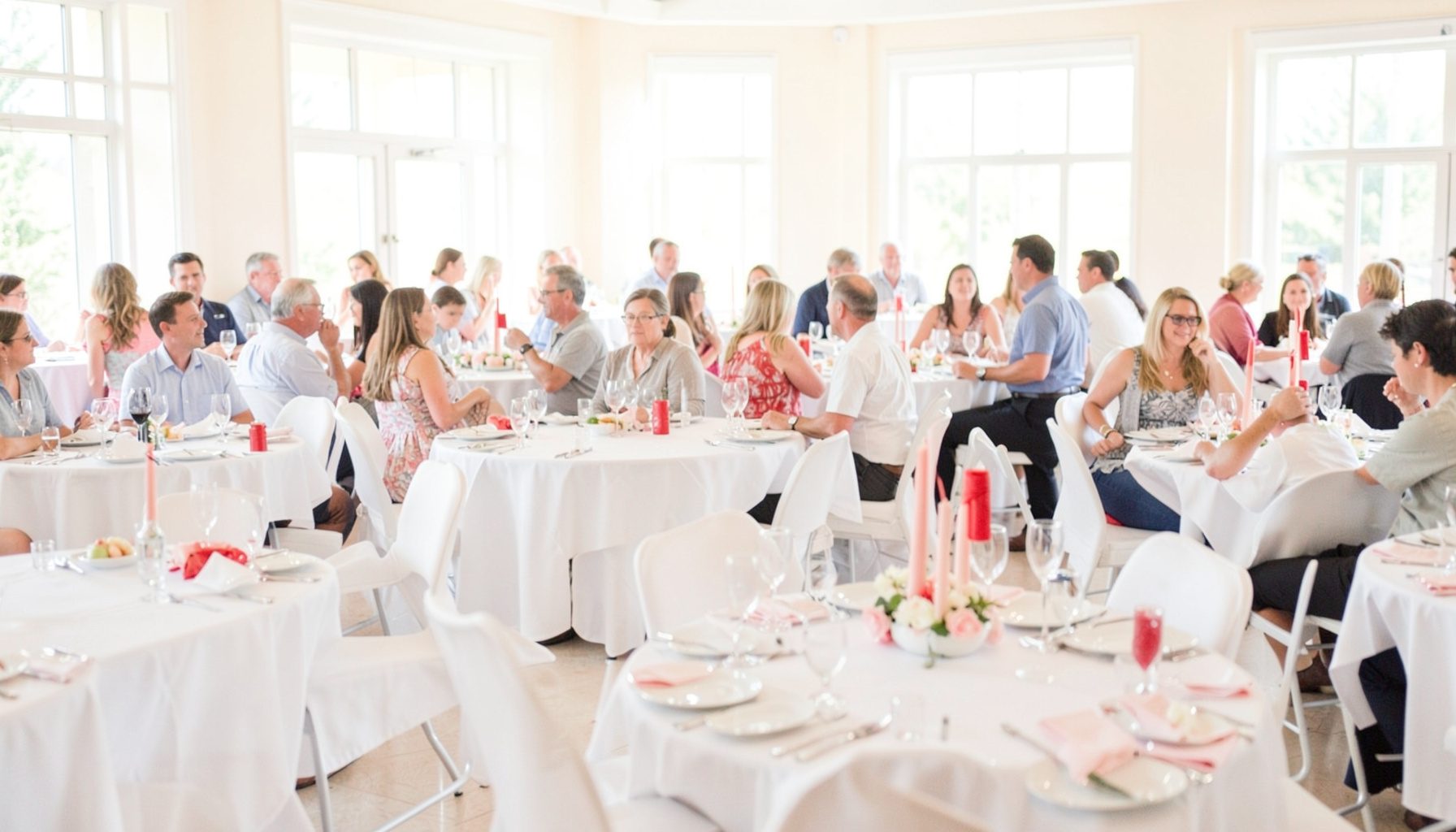
A hall accommodating up to 300 people is available for rentals. Contact Risto Trifunovski at 905-426-5355 for inquiries.
Prayers & Resources
Access the Lord's Prayer, the Nicene Creed, and prayers to the Mother of God — foundational texts of the Orthodox faith.
Kids' Corner
Resources and activities for the youngest members of our parish community.
Executive Board
Learn about the parish leadership and the dedicated volunteers who guide our church community.
Office & Contact Info
Parish Priest
For religious or spiritual matters, contact Rev. Blage Dimitrievski at 416-568-4717 or blaged@stnedela.com.
Administration
Contact Secretary Helen Damtsis at 905-426-5355 for administrative inquiries.
Location & Hours
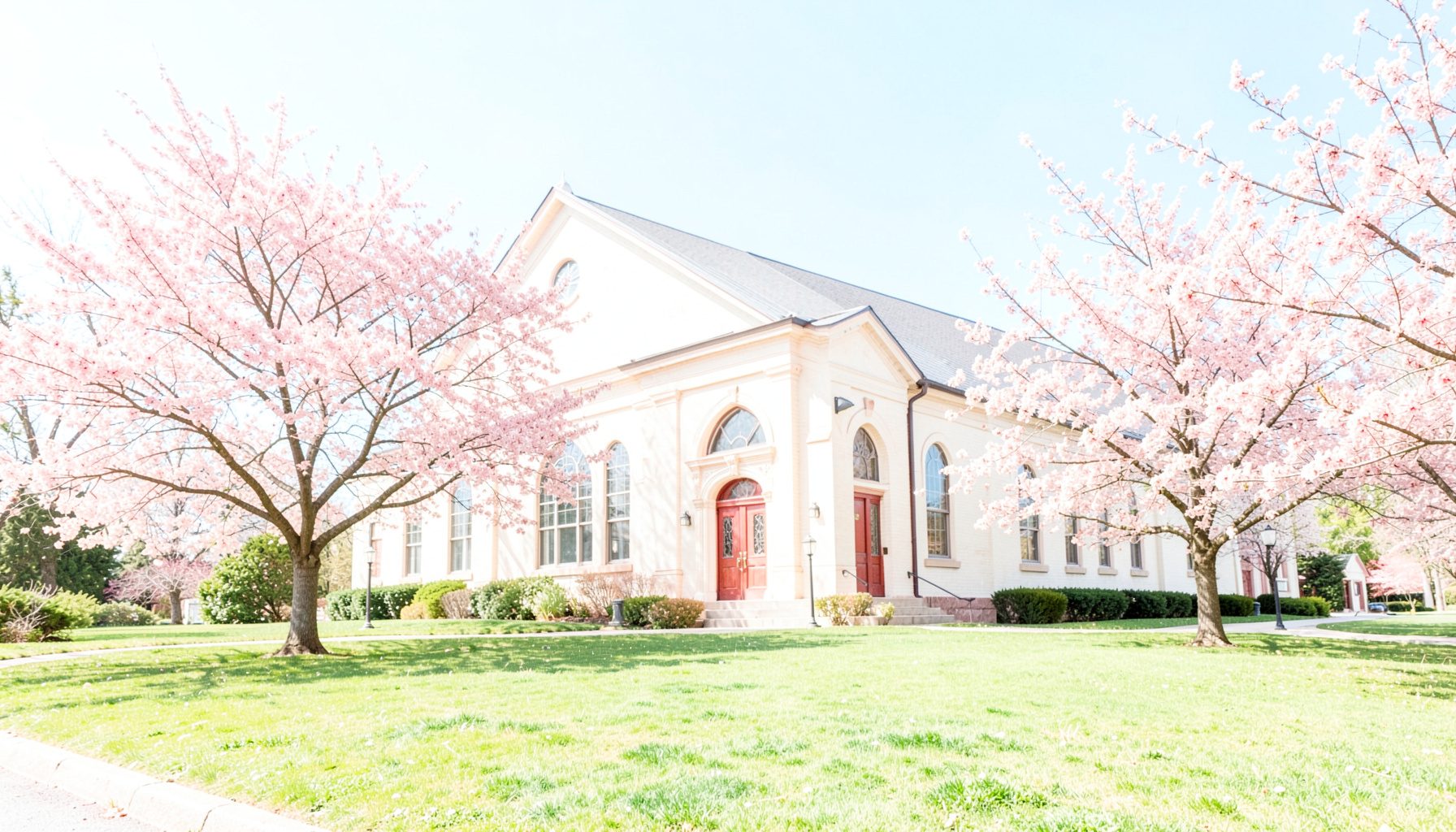
485 Bayly Street West, Ajax, Ontario, L1S 6M7
Open daily except Mondays, 10 a.m. – 4 p.m.
Insights & Articles
How to Settle Monthly Credit Payments During Unemployment
Guidance on handling loan repayments when facing job loss, including optional credit insurance for unemployment coverage.
Repayment of Loan Insurance
An overview of credit insurance for mortgages and loans, and how to opt out of insurance and recover premiums in certain situations.
What the Bible Says About Celebrating Christmas
A biblical exploration of Christmas celebrations, reflecting on scriptural perspectives regarding the holiday.
Gallery
Images from parish life, services, and community events at St. Nedela.