How to plant a live Christmas tree in your yard
A live Christmas tree can become a lasting part of an Australian garden rather than a decoration that loses its shape after Christmas. Planting it outdoors gives the tree room to grow, provides a natural setting for seasonal lights and ornaments, and turns the familiar tradition of decorating a conifer into something your household can enjoy year after year.
The work begins well before the tree arrives. Choose a species suited to your local rainfall and temperatures, allow for its mature height, and prepare the soil without creating a hole that holds water like a bathtub. The steps below cover selecting nursery stock, planting correctly, protecting the roots, watering through summer and decorating without harming branches.
| Tree choice | Main advantage | Main limitation | Best suited to |
|---|---|---|---|
| Planted living tree | Becomes a permanent garden feature | Needs suitable soil and years of establishment | A long-term outdoor display |
| Fresh-cut tree | Familiar shape and straightforward indoor setup | Requires water and disposal after Christmas | Temporary indoor decorating |
| Artificial tree | Reusable without watering | Needs storage and occasional replacement | Small homes or repeated setup |
Choose a living tree that suits your yard
Start with the space, then the tree. Look up from the planting site and check the direction and distance of overhead power lines, eaves, fences and neighbouring trees. A small conifer can become a 15- or 20-metre tree, so clearance must be based on its eventual size rather than its height in the pot. Keep the root area away from drains, septic systems and foundations, and check council rules if the species is likely to grow large.
Buy a healthy, container-grown tree with a strong central leader, evenly spaced foliage and a root ball that is moist but not sour. Avoid specimens with circling roots, broken leaders or a root ball that has dried around the edges. Australian nurseries and garden centres often offer potted conifers in late autumn, making them a convenient source for local stock. The Tasmanian cut-tree trade is also familiar in the Australian market, though a cool-climate plantation tree may not suit a subtropical backyard. If you are still weighing household options, this real versus artificial options explains the main trade-offs.
Match your tree to Australian conditions
Australia's seasons run opposite to those in many northern hemisphere guides, so autumn is planting time. Across Sydney, Melbourne and Perth, May to July usually offers cooler temperatures and enough time for roots to establish before spring. In northern Queensland, planting during the drier May-to-August period can be easier because the tree is not entering heavy summer rain immediately after planting.
Match the species to the conditions as well as the calendar. Humid Sydney gardens need free-draining soil and steady moisture without waterlogging; cooler Melbourne gardens suit many temperate firs and spruces; dry Perth gardens require consistent irrigation, especially during the first summer. Blue spruce, for example, generally performs better in a cool, sheltered southern garden than in a hot coastal yard. Ask a reputable local nursery which container-grown trees have coped with your area, and browse seasonal project ideas for complementary improvements to the surrounding garden.
Prepare the site before planting
Prepare the planting site a few days before delivery. Remove turf and weeds from a circle at least twice the width of the root ball, loosening compacted ground at the edges. Dig the hole about 20–30 centimetres deeper than the root ball and no wider than it; extra-wide holes can leave pockets of trapped moisture. Do not line the hole with plastic, gravel or a layer of rich compost, which can encourage roots to stay near the surface rather than move outward.
Check the soil by digging a small test hole and filling it with water. If it remains puddled after an hour, improve drainage by breaking up compacted soil across a broader area instead of placing a gravel layer at the bottom. Add compost to the excavated soil only when it is very poor, mixing it thoroughly rather than creating a rich pocket. Keep the excavated soil close to the hole, as the tree should go back into the ground the day it arrives, if possible.
Plant it without damaging the roots
Set the tree gently into the hole with its root flare level with the surrounding soil. Slide it out of its pot or flexible bag rather than hauling it by the trunk; if the root ball is wrapped in wire or synthetic mesh, remove as much as possible without cutting major roots. Position the tree before backfilling, then fill around the root ball in several layers, firming gently to remove large air pockets while leaving the fine roots undisturbed.
Water the backfilled soil slowly and thoroughly, then apply a 5–7 centimetre mulch layer over the root zone. Keep mulch clear of the trunk, where it can retain moisture against the bark. A single sturdy stake may be needed on an exposed site, but use a flexible tie and check it as the trunk thickens. Do not use a rigid tie that cuts into the bark, and do not trim the leader to compensate for a slight lean.
Care for it through the first summer
Young trees need more attention than established ones, especially through their first Australian summer. Check the soil below the mulch every few days rather than following a rigid timetable; a cool, wet week and a hot, windy week require very different amounts of water. Give a slow, deep soak when the upper soil begins to dry, then check that water is reaching the root ball rather than running along the compacted edge of the planting hole.
Continue watering through dry spells, while observing local restrictions and using collected rainwater where permitted. A simple home routine can make these checks easier to remember, especially during school holidays and periods of family travel. Do not encourage a newly planted conifer to produce a dense flush of soft Christmas growth with heavy fertiliser. A light, suitable fertiliser in early spring is usually enough, and an annual health check will reveal deficiencies more reliably than guesswork.
Decorate it for Christmas
Many Australian families still bring a cut or artificial tree into the lounge during December, so an outdoor evergreen can complement that custom rather than replace it. In warmer parts of Australia, plan the outdoor display for spring or early summer, when growth is strongest, and choose lights and ornaments that tolerate sun, rain and wind. Front windows and verandahs often come alive with lights during December, giving the yard display a familiar local context without needing to fill every branch.
Use outdoor-rated, low-voltage lights, preferably solar or on a properly installed low-voltage circuit, rather than running loose extension leads across paths. Secure every cable and anchor ornaments so wind cannot strip branches. Keep heavy glass baubles away from low limbs, and skip anything likely to break near children or pets. If children will play near the display, a review of toddler-safe decorating helps identify similar hazards around a tree. Remove lights before severe storms or a day when bushfire smoke and ember-laden winds are forecast, and unplug mains lighting when it is not in use.
Give it a role beyond Christmas
Remove seasonal lights, ties and ornaments after the festivities, but leave the tree growing in the ground. Inspect it in the following weeks for broken branches, wire marks and areas where ornaments rubbed away the bark. Check the stake and ties again after strong winds, and renew mulch as needed to conserve moisture. Prune only dead, damaged or rubbing branches, using clean, sharp tools and avoiding heavy cuts that leave conspicuous stubs.
Think of the tree as a permanent garden feature with several possible roles. It can provide a focal point for summer shade, a screen from the street, a perch for birds or a quiet place for garden lights at year-round celebrations. For homes that prefer a subtler Christmas display, a few warm-white lights and a single handmade ornament can look more deliberate than a crowded collection of baubles. With sensible spacing, safe electrical choices and patient aftercare, the tree can hold onto the meaning of Christmas while becoming a familiar part of the landscape.
Our Parish & Services
St. Nedela serves the Macedonian Orthodox community in Ajax and the surrounding region with regular worship, pastoral care, and facilities for gatherings.
Sunday Worship
Divine Liturgy every Sunday at 10 a.m. All are welcome to attend and participate in the life of the parish.
Services & Price List
Information on regular services, Easter schedules, and price lists is available through church administration or on the bulletin board in the hallway.
Banquet Hall
A hall accommodating up to 300 people is available for rentals. Contact Risto Trifunovski at 905-426-5355 for inquiries.
Prayers & Resources
Access the Lord's Prayer, the Nicene Creed, and prayers to the Mother of God — foundational texts of the Orthodox faith.
Kids' Corner
Resources and activities for the youngest members of our parish community.
Executive Board
Learn about the parish leadership and the dedicated volunteers who guide our church community.
Office & Contact Info
Parish Priest
For religious or spiritual matters, contact Rev. Blage Dimitrievski at 416-568-4717 or blaged@stnedela.com.
Administration
Contact Secretary Helen Damtsis at 905-426-5355 for administrative inquiries.
Location & Hours
485 Bayly Street West, Ajax, Ontario, L1S 6M7
Open daily except Mondays, 10 a.m. – 4 p.m.
Insights & Articles
How to Settle Monthly Credit Payments During Unemployment
Guidance on handling loan repayments when facing job loss, including optional credit insurance for unemployment coverage.
Repayment of Loan Insurance
An overview of credit insurance for mortgages and loans, and how to opt out of insurance and recover premiums in certain situations.
What the Bible Says About Celebrating Christmas
A biblical exploration of Christmas celebrations, reflecting on scriptural perspectives regarding the holiday.
Gallery
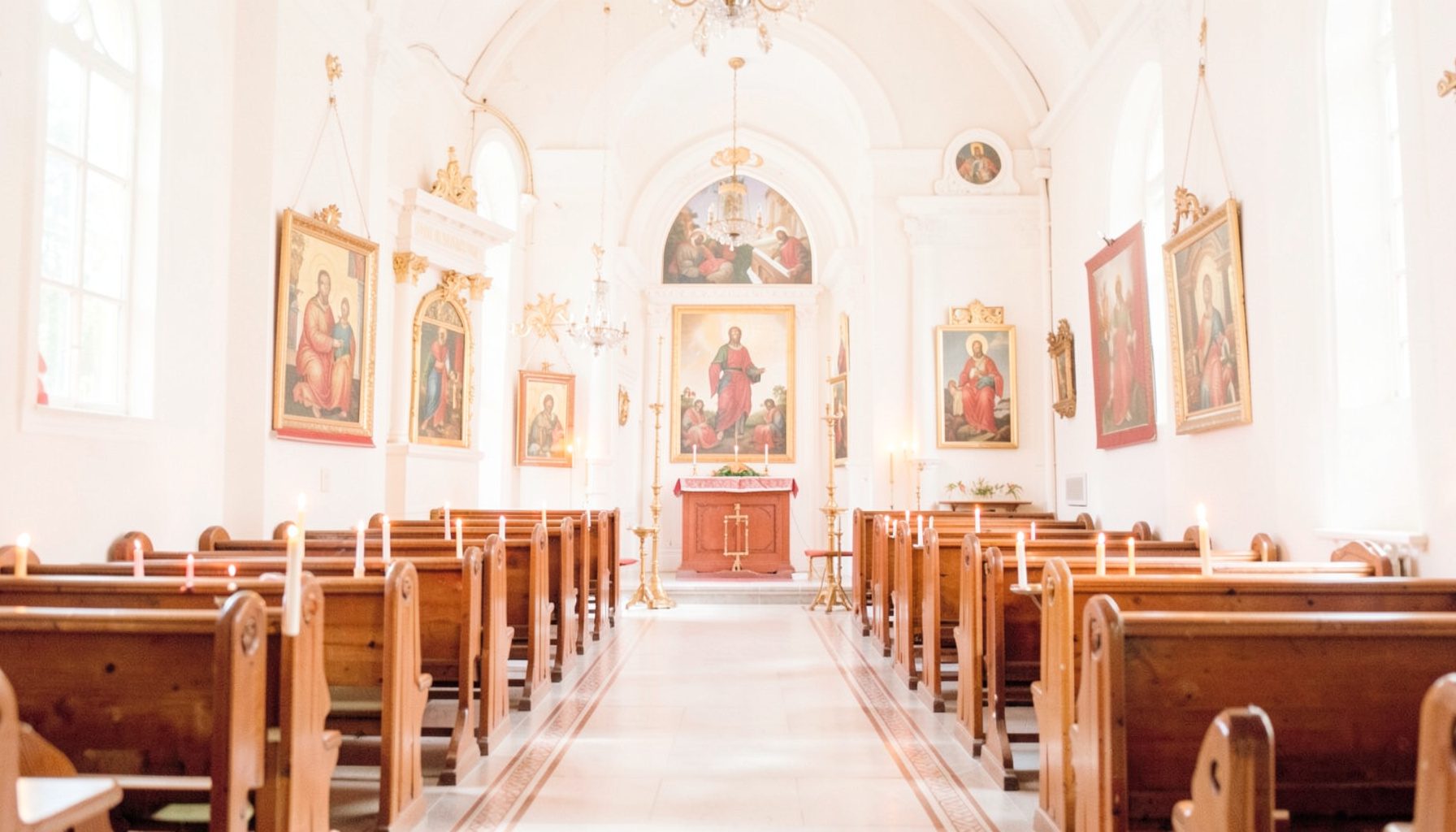
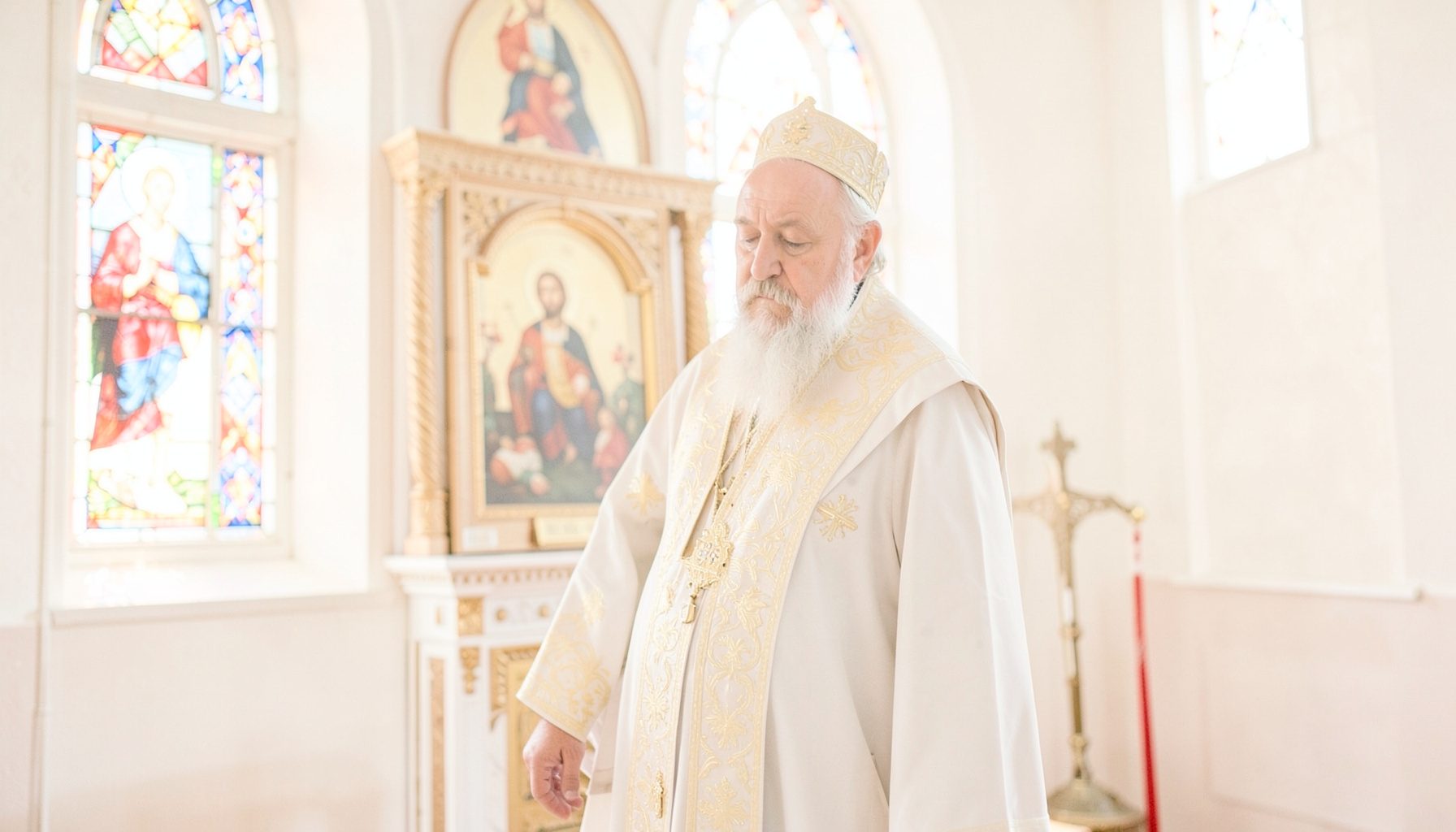
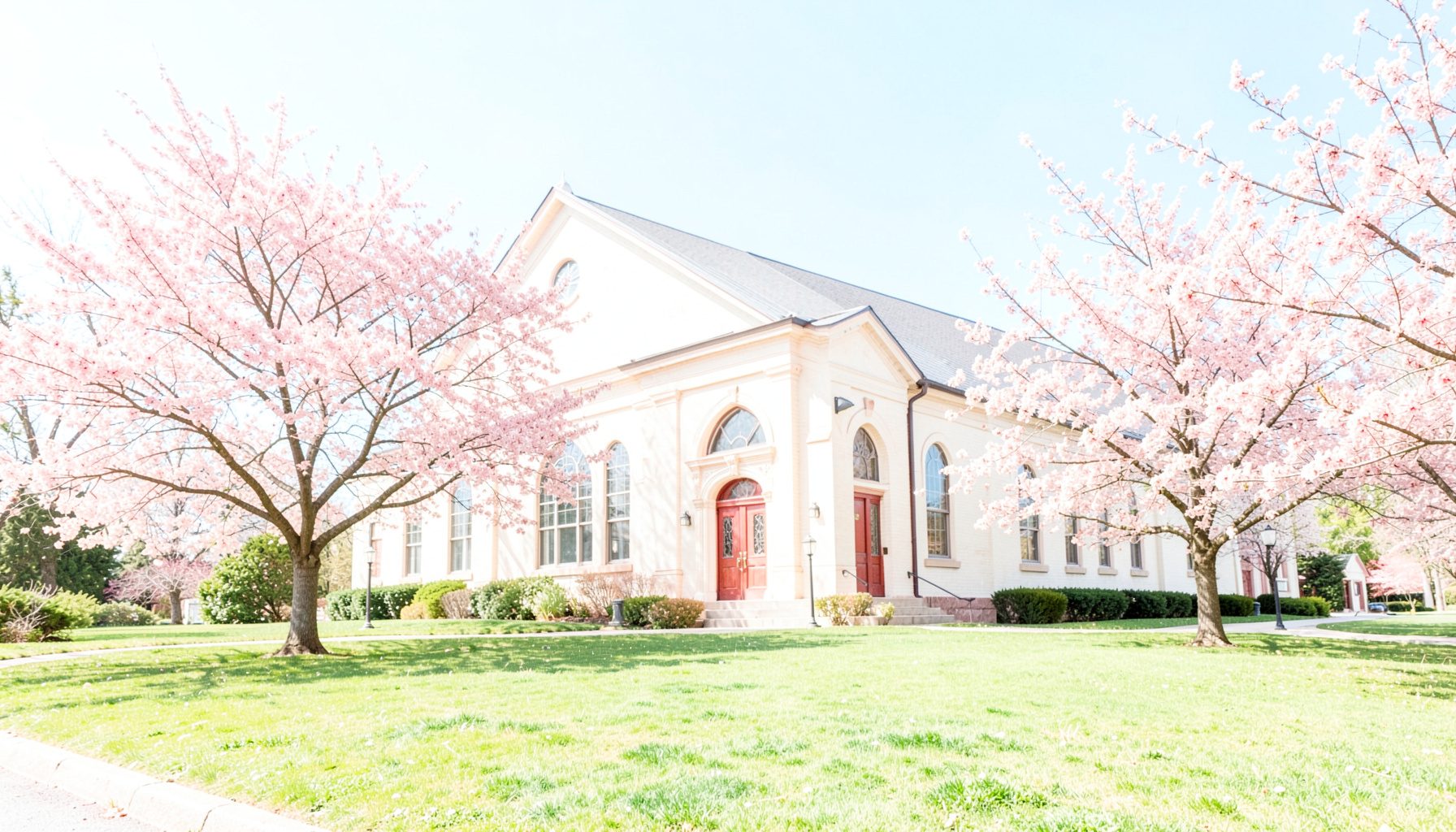
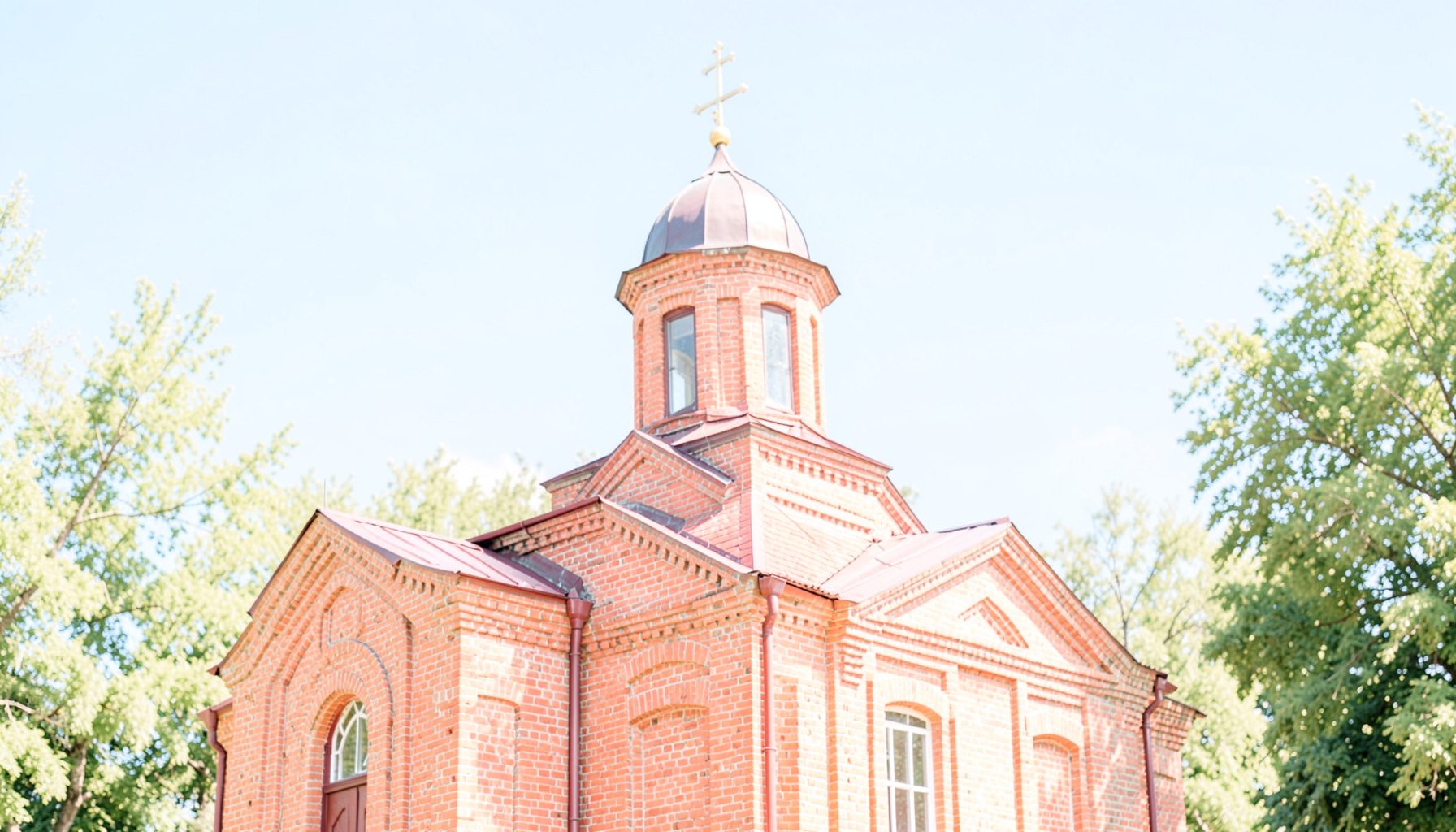
Images from parish life, services, and community events at St. Nedela.